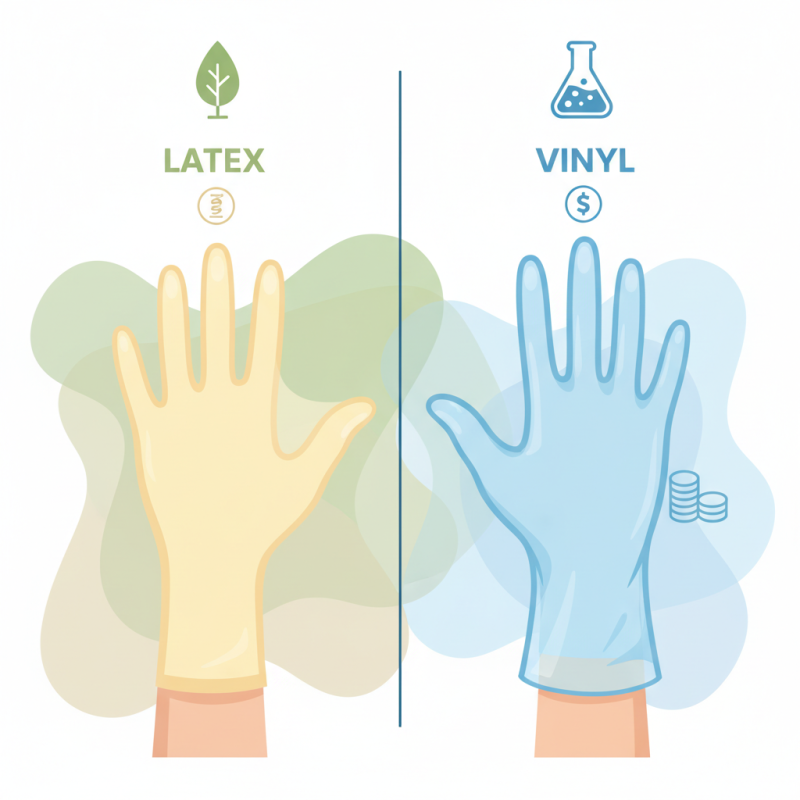
Choosing the right gloves for various tasks can be challenging. For many buyers, the question remains: what is the difference between latex and vinyl gloves? Both types serve specific purposes, and understanding their unique characteristics is crucial.
Latex gloves, made from natural rubber, provide excellent elasticity and comfort. They conform well to the hand’s shape. However, they are not suitable for users with latex allergies. On the other hand, vinyl gloves are crafted from synthetic materials. They are generally more affordable but lack the durability of latex.
Buyers need to weigh their options carefully. Are you looking for flexibility or cost-effectiveness? It’s essential to consider where and how you will use these gloves. While both options have merits, understanding their differences will guide you to a more informed purchase.
Overview of Latex Gloves: Properties and Uses
Latex gloves are widely recognized for their comfort and flexibility. Made from natural rubber latex, these gloves provide a snug fit. Their tactile sensitivity is excellent, making them a popular choice in medical and laboratory settings. According to the American National Standards Institute (ANSI), latex gloves are highly effective for tasks requiring dexterity. However, it’s crucial to be aware of latex allergies, which affect about 1-6% of healthcare workers.
Though latex gloves serve many purposes, some limitations exist. They are not suitable for prolonged exposure to certain chemicals. For tasks involving harsh substances, nitrile gloves are often recommended. Industry reports indicate that latex gloves offer less chemical resistance compared to their vinyl or nitrile counterparts. It's vital to evaluate the specific needs of your work environment before making a choice.
Tips: Always check for latex-free alternatives if allergies are a concern. When selecting gloves, consider the task and exposure level. Regular training on glove use and safety can help mitigate risks associated with allergies and chemicals. Understanding the specific requirements can enhance safety and effectiveness in your applications.
Overview of Vinyl Gloves: Properties and Applications
Vinyl gloves are widely used in various industries due to their unique properties. They are composed of polyvinyl chloride (PVC), a synthetic plastic. This material provides excellent flexibility and durability, making vinyl gloves suitable for tasks that require regular hand movements. According to a 2022 industry report, vinyl gloves accounted for approximately 25% of the global glove market, indicating their significant role in healthcare and food services.
These gloves offer a barrier against contaminants without compromising comfort. They are often preferred in non-infectious environments, such as food preparation. However, vinyl gloves may lack the tensile strength found in latex or nitrile options. A recent study noted that their elongation at break is around 300%, which is lower than the 500% typically observed in nitrile gloves. Users should weigh this factor, especially in high-risk settings.
One of the advantages of vinyl gloves is their affordability. They are notably less expensive than latex and nitrile counterparts, which can lead to cost savings for businesses. Yet, some drawbacks remain. Vinyl gloves may not be suitable for handling oily substances. Their chemical resistance is limited compared to nitrile, which may lead to failures in specific applications. This might leave users exposed to risks in certain environments, emphasizing the importance of understanding their limitations.
Key Differences Between Latex and Vinyl Gloves
When selecting gloves for various tasks, the choice between latex and vinyl is crucial.
Latex gloves offer superior elasticity and tactile sensitivity. They can stretch to fit different hand sizes comfortably. This flexibility makes them ideal for medical professionals who require dexterity. According to a report by the American Journal of Infection Control, latex gloves have a lower failure rate compared to vinyl, reducing the risk of exposure.
On the other hand, vinyl gloves are less expensive and offer a more loose fit. They are made from synthetic materials, which have replaced latex in many settings due to allergy concerns. The CDC has highlighted that vinyl gloves provide adequate protection for low-risk tasks. However, their barrier quality is generally inferior, especially in high-risk environments. Users should find a balance, weighing cost against safety and performance.
As with any product choice, imperfections exist in both options. Vinyl gloves do not always provide the snug fit some users prefer. Conversely, latex allergies present a real concern for many. Evaluating the specific needs of a task is critical. This remains a challenge for many buyers, stressing the importance of informed, careful decisions.
Advantages and Disadvantages of Latex and Vinyl Gloves
When choosing gloves for various applications, understanding the advantages and disadvantages of latex and vinyl gloves is crucial. According to a report by the National Institute for Occupational Safety and Health (NIOSH), latex gloves are known for their elasticity and comfort, making them a preferred choice in medical environments. They provide excellent tactile sensitivity, essential for delicate procedures. However, latex allergies affect approximately 5% of healthcare workers, which can limit their use.
In contrast, vinyl gloves are latex-free, making them a safer option for those with allergies. They are made from polyvinyl chloride and are less expensive than latex gloves. Vinyl gloves are suitable for tasks requiring less dexterity, such as food handling or cleaning. However, they lack the strength and stretchiness of latex gloves, which could lead to tearing during more complex tasks. Various studies indicate that vinyl gloves may not provide adequate barrier protection when dealing with hazardous materials, bringing their reliability into question.
While latex gloves excel in performance, their allergy risk cannot be overlooked. Meanwhile, vinyl gloves offer a budget-friendly solution with drawbacks in durability and safety. It is essential to weigh these factors carefully, as the choice of glove can impact both safety and efficiency in any work environment.
Choosing the Right Gloves for Your Needs
When considering the choice between latex and vinyl gloves, it is essential to assess your specific needs. Latex gloves are known for their elasticity and durability. They provide a snug fit that allows for excellent tactile sensitivity. However, some individuals can have allergic reactions to latex. This issue needs careful consideration. On the other hand, vinyl gloves are latex-free and can be a safer choice for those with allergies. They are typically looser and easier to put on but may not offer the same level of sensitivity as latex.
For medical personnel, the decision can impact patient safety. The right glove can ensure proper handling of instruments and reduce the risk of contamination. Whether you prioritize comfort or protection, the choice should align with your tasks. Different environments require specific gloves. For food handling, vinyl might suffice, but surgical settings may demand the reliability of latex. Reflecting on your experiences can guide you towards the best option that meets safety and comfort standards.
2026 Best Comparison of Latex and Vinyl Gloves for Buyers
| Feature |
Latex Gloves |
Vinyl Gloves |
| Material |
Natural rubber latex |
Polyvinyl chloride (PVC) |
| Allergy Risk |
Higher risk of allergies |
Low risk of allergies |
| Tactile Sensitivity |
Excellent sensitivity |
Moderate sensitivity |
| Durability |
High durability |
Lower durability |
| Chemical Resistance |
Moderate to good |
Lower resistance |
| Cost |
Moderate price range |
Lower price range |
| Best Uses |
Medical and sensitive tasks |
Food handling and non-hazardous tasks |
FAQS
: Latex gloves offer elasticity, comfort, and excellent tactile sensitivity. They are favored in medical settings for precision.
Yes, about 5% of healthcare workers experience latex allergies. This can limit the use of these gloves in some settings.
Vinyl gloves are latex-free, which makes them a safer choice for individuals with allergies. They are also more affordable.
Vinyl gloves work well for tasks needing less dexterity, like food handling or cleaning. They are easier to put on but less durable.
Vinyl gloves may not provide sufficient barrier protection against hazardous materials. This can raise reliability concerns in certain environments.
Assess your specific needs, including allergy risks, task requirements, and desired comfort level. Reflecting on experiences can aid your choice.
Conclusion
This article provides an in-depth comparison of latex and vinyl gloves, guiding buyers in selecting the best option for their needs. It begins with an overview of latex gloves, highlighting their properties such as elasticity and durability, which make them ideal for medical and home use. In contrast, the overview of vinyl gloves emphasizes their affordability and suitability for low-risk tasks, which makes them a popular choice in various industries.
The key differences between latex and vinyl gloves are examined, notably in terms of their chemical composition, comfort, and use cases. The article outlines the advantages and disadvantages of each type, helping readers understand what is the difference between latex and vinyl gloves in terms of protection, sensitivity, and potential allergic reactions. Finally, it provides practical guidance on choosing the right gloves based on specific requirements, ensuring readers can make informed decisions for their safety and convenience.
 Mahesh Medical