Mahesh Medical
In recent years, disposable gloves have become increasingly popular in various industries. Many people wonder, are disposable gloves biodegradable or recyclable? The answer to this question is not straightforward. Understanding the environmental impact of these gloves is crucial for consumers and businesses alike.
Disposable gloves are typically made from materials like latex, vinyl, or nitrile. Each of these materials has its own environmental footprint. Latex gloves may decompose over time, but other types can take decades to break down. This raises concerns about waste management in our landfills. Recycling options exist, but they are not widely available.
Many users are unaware of how to properly dispose of these gloves. A simple act of removal can lead to significant environmental consequences. Raising awareness about choices and disposal methods can empower consumers. It’s important to consider our habits and their long-term effects on the planet. As you think about your glove usage, remember: are disposable gloves biodegradable or recyclable?
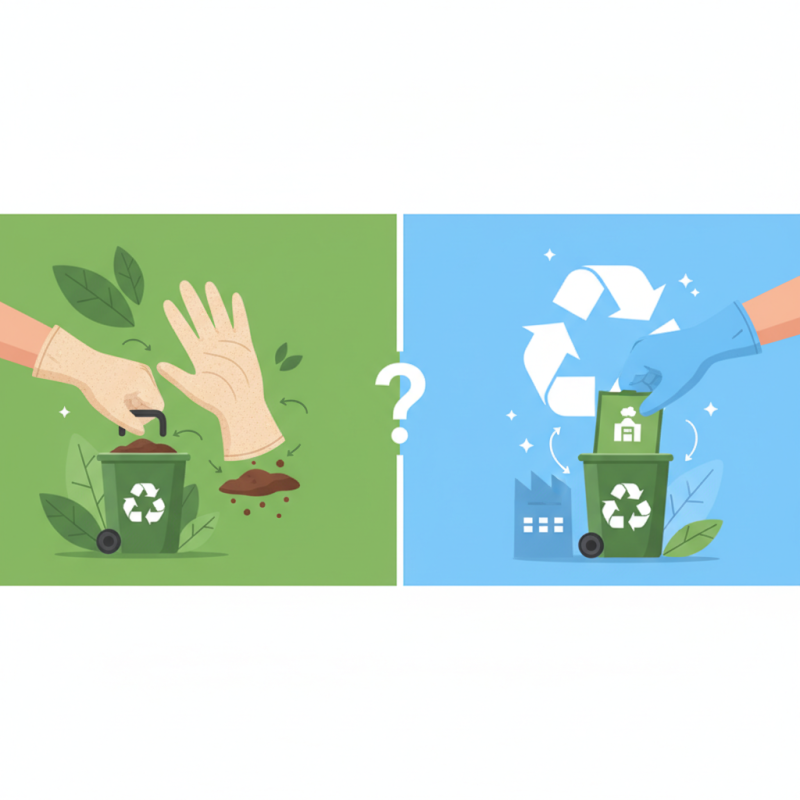
When it comes to disposable gloves, understanding the different materials and their common uses is crucial. The primary types of disposable gloves are latex, vinyl, and nitrile. Latex gloves offer excellent flexibility and comfort. They are ideal for medical professionals and assembly tasks. However, some people may have latex allergies, making this option less suitable for them.
Vinyl gloves are often more affordable but less durable. They are commonly used in food handling and light cleaning. On the other hand, nitrile gloves provide a strong barrier against chemicals and punctures. They are a popular choice in laboratories and for hazardous materials. Each material has its pros and cons, depending on the situation.
Tips: Always check the glove's material before use. This can help prevent allergic reactions or damage to the gloves. For tasks involving hazardous substances, choose nitrile gloves for better protection. Remember that proper disposal of gloves is essential to avoid environmental harm. Dispose of them in designated waste containers to promote safety and sustainability.
Biodegradability is a key concept when discussing disposable gloves. These gloves are commonly used in various settings, from healthcare to food service. Understanding what biodegradability means helps consumers make informed decisions. Often, people assume all disposable gloves break down naturally. However, this is not always true. Many are made from materials that persist in the environment.
The impact of non-biodegradable gloves is significant. They can take decades to decompose. This raises concerns about ocean pollution and landfill waste. A growing awareness of this issue prompts manufacturers to explore eco-friendly options. Some brands are beginning to offer biodegradable gloves made from plant-based materials. Yet, not all products labeled as biodegradable meet the same standards.
Consumers must critically analyze the claims made by manufacturers. The process of decomposition varies greatly among materials. Some biodegradable gloves may only break down in specific conditions, like industrial composting. Knowing these details can guide users in selecting more sustainable options. Thoughtful choices can lead to a cleaner planet, but vigilance is necessary to avoid greenwashing.
Disposable gloves are widely used in various industries, mainly in healthcare and food service. Unfortunately, their recyclability presents challenges. Most disposable gloves, made from materials like latex, nitrile, and vinyl, are not recyclable due to contamination and material composition. According to a recent study published by the Environmental Protection Agency (EPA), over 10 billion disposable gloves are used annually in the United States alone. This creates a significant amount of waste, sparking concerns about environmental impact.
Current practices surrounding the disposal of these gloves often lead to increased landfill waste. While some facilities attempt to recycle non-latex varieties, the major issue remains contamination. Gloves used in medical settings are classified as hazardous waste and cannot be recycled. Research indicates that less than 1% of disposable gloves are recycled globally. This low figure signifies a need for improvement in practices and technologies that could facilitate recycling efforts. Stakeholders are urged to consider innovative solutions, like developing biodegradable options, while reflecting on waste management strategies.
Despite advancements in materials, the industry must confront the reality of glove disposal. A lack of widespread awareness exacerbates this issue. Most users are unaware of the environmental consequences of their choices. Moving forward, education on responsible glove use and disposal is essential. It is crucial to foster a culture of sustainability in the workplace to combat the growing problem of glove waste.
The environmental impact of disposable gloves is significant. Traditional latex and vinyl gloves do not biodegrade easily. They remain in landfills for decades. According to the Environmental Protection Agency (EPA), over 95% of single-use gloves end up in landfills. This poses a serious challenge for waste management.
In contrast, eco-friendly gloves use materials that break down more easily. Some manufacturers report that these biodegradable gloves decompose within six months. Moreover, studies by sustainability experts show that switching to eco-friendly alternatives can reduce plastic waste by up to 25%. However, biodegradable gloves still represent a small portion of the market. Many consumers remain unaware of their options.
While eco-friendly gloves are improving, they are not a complete solution. Some still contain small amounts of plastic that complicate recycling. Additionally, not all facilities accept biodegradable products. This lack of infrastructure can undermine the benefits of switching to greener options. Continuous awareness and education are key to fostering better practices in glove usage and disposal.
The demand for disposable gloves continues to rise, particularly in medical and food handling sectors. However, environmental concerns are now influencing product development. Innovative materials are being explored to create biodegradable and recyclable disposable gloves. This shift aims to reduce plastic waste and promote sustainability.
Research indicates that conventional latex and plastic gloves take decades to decompose. In contrast, biodegradable gloves can break down in a matter of months, especially when disposed of correctly. For instance, some biodegradable options use plant-based materials that degrade in industrial composting facilities. Studies show that the market for bioplastics is expected to reach $44.5 billion by 2026, highlighting increased investment and interest in sustainable products.
Despite the advancements, challenges remain. Not all facilities are equipped to handle biodegradable materials properly. Mismanagement can lead to these gloves ending up in landfills, where they do not decompose effectively. Additionally, the cost of producing eco-friendly gloves is typically higher. This price point can deter widespread adoption. Ongoing research and innovations are essential to address these hurdles. Making sustainable disposable gloves both accessible and affordable is crucial for future industry growth.
: Biodegradability refers to the ability of materials to break down naturally. Not all gloves are biodegradable.
Non-biodegradable gloves can take decades to decompose. This leads to significant environmental pollution and landfill waste.
No, not all biodegradable gloves meet the same standards. Some may only degrade under specific conditions, like industrial composting.
Most disposable gloves, like latex and vinyl, cannot be recycled. Contamination and material composition are major barriers.
Over 10 billion disposable gloves are used annually in the United States. This creates a massive amount of waste.
Innovations like developing biodegradable options and improving recycling practices can help reduce glove waste. Continuous efforts are needed.
Challenges include improper disposal, lack of facilities to handle them, and higher production costs. Education is crucial in overcoming these issues.
Traditional gloves may take decades to decompose, while biodegradable gloves can break down in months under the right conditions.
Many users lack awareness of the environmental impact of disposable gloves. Education fosters a culture of sustainability in workplaces.
There is a growing interest in sustainable materials, like bioplastics, to create eco-friendly disposable gloves. This shift aims for reduced plastic waste.
The article titled "10 Best Disposable Gloves: Are They Biodegradable or Recyclable?" explores the crucial aspects of disposable gloves, focusing on their materials, environmental impact, and future trends. It begins with an overview of the various types of disposable gloves, highlighting their common uses across different industries. A key point discussed is the understanding of biodegradability, specifically addressing whether disposable gloves are biodegradable or recyclable. The article further elaborates on the current practices and challenges surrounding the recyclability of these gloves.
Additionally, it compares the ecological impacts of traditional gloves versus eco-friendly alternatives, emphasizing the urgency for sustainable solutions. As the conversation around environmental responsibility grows, the piece also touches on innovative developments in biodegradable and recyclable disposable gloves that aim to minimize waste and enhance sustainability in the industry. Overall, the discussion encourages readers to consider the environmental implications of their choices in disposable glove usage.