Mahesh Medical
In an emergency, a torn glove, a spilled sample, or an empty supply box can make every decision feel urgent. Yet disposable gloves are designed for one use. Disinfectants may weaken their material, leave chemical residue, or fail to reach contamination trapped in seams and creases. The safest response is usually to remove contaminated gloves carefully, discard them, clean your hands, and put on a fresh pair when available. This guide addresses “how to disinfect disposable gloves in an emergency,” while making an important distinction: disinfecting a single-use glove is not a dependable substitute for changing it.
Dr. William A. Rutala, an infection-prevention expert, is associated with a central reminder: “Gloves are not a substitute for hand hygiene.” This wording is a concise paraphrase, not a verified verbatim quotation. The principle matters when hands are wet, a glove has touched a contaminated surface, or clean supplies are scarce. Pause. Keep the glove away from your face and clean equipment. Follow the product label and your workplace’s infection-control procedures; never assume that spraying or wiping makes a disposable glove safe to reuse. In a true supply shortage, seek direction from a supervisor or qualified infection-prevention professional. A rushed workaround can create false confidence. That deserves careful thought.
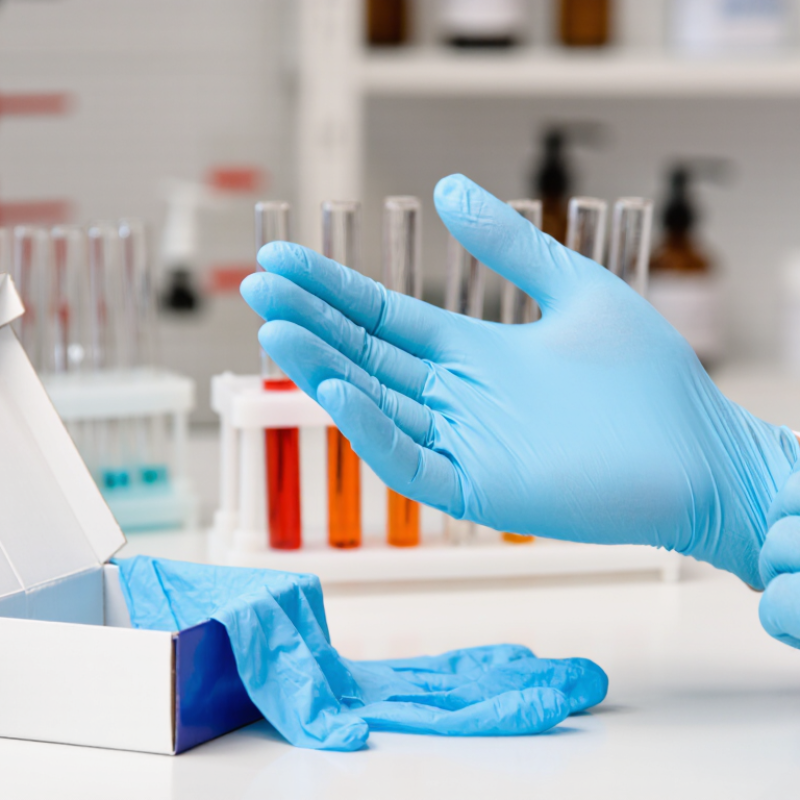
Disposable gloves are made for one use. The CDC advises against disinfecting or washing single-use gloves for reuse. Chemicals may weaken the material or leave gaps too small to notice. A glove that looks clean may no longer protect you.
It can feel wasteful to throw gloves away during an emergency. Still, disinfecting a used pair is not a reliable way to make it safe again. Remove gloves carefully, avoid touching their outside, and discard them appropriately. Then clean your hands. If gloves are torn, visibly soiled, or used for a new task, replace them with a fresh pair when available. Never assume a quick wipe restores protection.
Tips: Keep spare gloves in a dry, clean place. Change gloves between tasks, and wash or sanitize your hands before putting on a new pair and after removing them. If supplies run short, don’t reuse gloves as a workaround; follow guidance for the specific emergency. It may be inconvenient, but safer practice matters.
Disposable gloves are a temporary barrier, not a washable tool. If a glove is contaminated, remove it carefully, turning it inside out without snapping it. Keep the dirty surface away from bare skin. Discard it, then clean your hands before putting on a fresh pair. Not a cleaning shortcut. Spraying or wiping a disposable glove does not reliably restore its protective barrier. In a rushed response, that distinction is easy to overlook.
OSHA’s Bloodborne Pathogens standard, 29 CFR 1910.1030(d)(3)(ix), requires gloves to be changed as soon as feasible when contaminated, torn, punctured, or unable to function as a barrier. Do not keep using a damaged glove, even if the hole looks tiny. The World Health Organization’s 2022 Global Report on Infection Prevention and Control estimates that 7 out of 100 patients in high-income acute-care hospitals acquire at least one healthcare-associated infection during their stay; the estimate is 15 out of 100 in low- and middle-income settings. These figures are not a glove-specific risk measure, but they underline why small infection-control steps matter. Check the fingertips and seams under good light. A hurried check can miss damage.
Disposable Gloves: Safe Removal and Hand Hygiene
Do not wash, spray, or reuse disposable gloves. Disinfectants can damage glove material and do not make reuse reliable. The World Health Organization’s 2022 report estimates that 7 in 100 patients in acute-care hospitals in high-income countries acquire at least one healthcare-associated infection during their stay. Gloves help reduce exposure, but they do not replace hand hygiene. Small tears happen. Contamination can also occur while removing gloves.
Pinch the outside of one glove near the wrist and peel it off, turning it inside out. Hold it in your still-gloved hand. Slide clean fingers under the other cuff, then peel that glove over the first. Drop them into a suitable waste bin without touching the outer surfaces. Clean your hands immediately: use alcohol-based hand rub when hands are not visibly dirty, or wash with soap and water for about 20 seconds, following CDC guidance. Dry them fully. It may feel awkward at first.
Tips: Keep a waste bin and hand-cleaning supplies within reach before removal. Avoid touching your phone, door handle, or face with gloved hands. If gloves tear, remove them carefully and clean your hands; the rushed moment is exactly when a small step can be missed.
When gloves are scarce, the subtitle’s 20–30-second timing can be useful—but only for hand hygiene. The World Health Organization’s Guidelines on Hand Hygiene in Health Care recommend rubbing alcohol-based handrub over all hand surfaces for 20–30 seconds, until dry. The same guidance gives 40–60 seconds for washing with soap and water. These timings do not validate alcohol as a way to disinfect disposable gloves.
That distinction matters. A nitrile glove may look clean while carrying contamination in creases or developing a tiny tear near the fingertips. The U.S. Centers for Disease Control and Prevention advises changing gloves when they are damaged or contaminated, and between tasks when needed. Do not treat handrub on glove surfaces as a reliable substitute for a fresh pair. Not a reset.
If replacement gloves are unavailable, avoid touching your face, phones, door handles, or clean supplies with the used pair. Remove gloves carefully, then use handrub on bare hands for the WHO-recommended 20–30 seconds, covering fingertips, thumbs, and between fingers. Use soap and water if hands are visibly dirty. In a rushed emergency, it is easy to miss the thumbs; I would slow down there. Dry hands fully before putting on a new pair.
Disposable gloves are designed for one use, not disinfection and reuse. In an emergency, remove them carefully and discard them; cleaning gloves can leave contamination behind or damage their protective barrier. The CDC advises handwashing with soap and water when hands are visibly dirty. WHO’s hand-hygiene guidance gives 40–60 seconds for the full soap-and-water procedure. That time includes wetting, lathering, rinsing, and drying—not 40–60 seconds of scrubbing alone.
Use clean running water and enough soap to cover both hands. Rub palms, backs of hands, between fingers, thumbs, and beneath nails. Rinse well, then dry with a clean towel. Small areas are easy to miss. A rushed wash may leave residue around fingertips, especially after removing torn or heavily soiled gloves. WHO’s 2009 Guidelines on Hand Hygiene in Health Care and CDC handwashing guidance support these steps; follow local workplace protocols when available.
Tips: Remove gloves without touching their outer surfaces, then wash your hands. No sink nearby? Use hand sanitizer only if hands are not visibly soiled, and wash with soap and water as soon as possible. Don’t try to rescue disposable gloves for another task. I know that can feel wasteful, but reusing them adds uncertainty when protection matters.
No. They are designed for one use. Disinfectants may weaken the material or leave tiny gaps. A clean appearance proves little.
Remove them carefully, keeping the outside away from bare skin. Turn them inside out without snapping, discard them, then clean your hands.
Replace it when torn, punctured, visibly soiled, or used for a different task. Even a tiny hole matters.
Look closely at fingertips and seams under good light. A rushed check can miss small tears. I might miss one too.
When hands are visibly dirty, wash with soap and water for 40–60 seconds. Wet, lather, rinse, and dry your hands.
Rub between fingers, around thumbs, beneath nails, and across the backs of your hands. Small spots count.
Use it only when your hands are not visibly soiled. Wash with soap and water as soon as possible.
Keep them in a clean, dry place. Change gloves between tasks, and clean your hands before putting on a fresh pair. It may feel wasteful, but reuse adds uncertainty.
In an emergency, how to disinfect disposable gloves in an emergency is best understood as a matter of safe replacement, not cleaning gloves for reuse. Disposable gloves are intended for one-time use, and public health guidance advises against disinfecting them to wear again. Remove gloves promptly if they become contaminated, and replace them immediately if they are torn or punctured.
To remove gloves, avoid touching their outer surfaces with bare hands, then discard them safely. Perform hand hygiene after removal: use alcohol hand rub for 20–30 seconds when your hands are not visibly soiled. If dirt or contamination is visible, wash with soap and water for 40–60 seconds. These steps help reduce the risk of transferring contamination and keep glove use appropriate during an emergency.
