Mahesh Medical
When it comes to food safety, using the right gloves is crucial. Many people wonder how to test if gloves are truly food grade. With so many options available, it can be challenging to navigate the choices. Food grade gloves should not only protect your hands but also ensure that the food remains safe for consumption.
One effective method involves checking for certification labels. Reliable gloves often bear labels from recognized standards organizations. Moreover, evaluating the material can reveal a lot about the glove's safety. For instance, latex, vinyl, and nitrile are common choices, each with its unique properties. You may also want to consider the manufacturer's reputation. Established brands are more likely to produce safer products, but it's important to scrutinize their claims.
Another practical approach is to perform a simple water test. Fill a glove with water and check for leaks or permeability. If the glove leaks, it probably isn’t food grade. While these methods can provide insights, always remain cautious. The testing process isn't foolproof, and not all gloves may meet your specific needs. It's vital to understand that even seemingly safe gloves could pose risks if not properly tested.
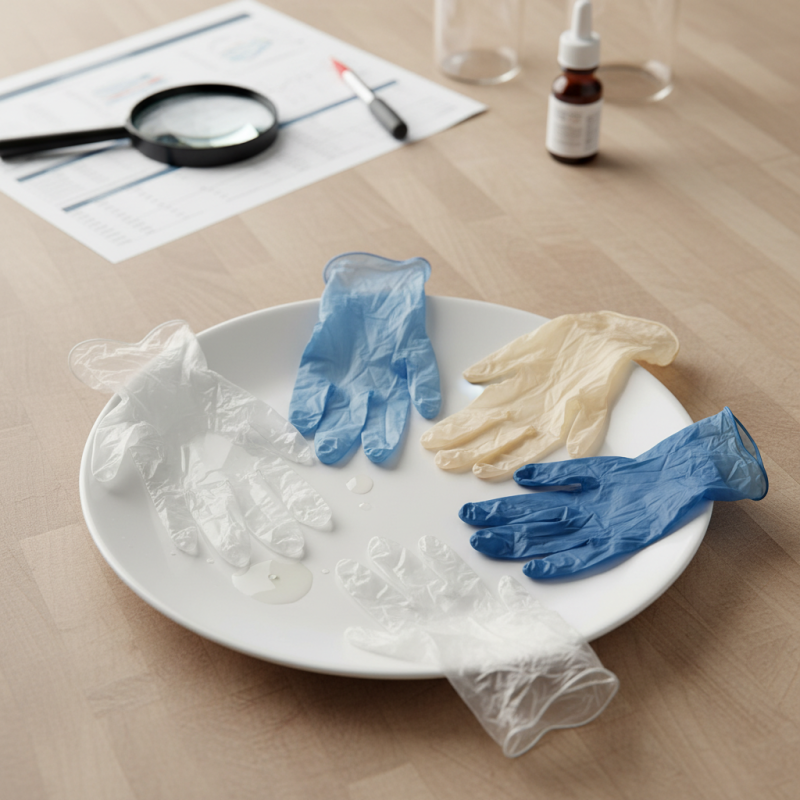
When selecting gloves for food handling, it’s crucial to understand what "food grade" really means. Food grade gloves must meet strict safety standards. These standards ensure that the gloves do not transfer harmful substances to the food. The materials must be non-toxic and free from harmful chemicals. This is where the testing comes into play.
To determine if gloves are food grade, there are several aspects to consider. Look for specific certifications. These include FDA approval in the United States or the European Food Safety Authority (EFSA) guidelines. It's also helpful to check the material composition. Common food grade materials include vinyl, latex, and polyethylene. Knowing the differences can aid in making an informed choice.
Observing how gloves perform in practice is also essential. For instance, consider their durability during food preparation. Thin gloves may tear easily and compromise safety. Additionally, be wary of gloves that feel oily or leave a residue. This could indicate the presence of non-food safe materials. Trust your instincts if something seems off. Being diligent in assessing gloves will help maintain food safety.
| Testing Method | Description | Compliance Standards | Recommended For |
|---|---|---|---|
| Material Testing | Check if the glove material is made from FDA-approved substances. | FDA, USDA | Food handling tasks |
| Leakage Test | Submerge the glove in water to check for leaks. | ISO 9001 | Wet food handling |
| Chemical Resistance | Test the gloves against common food-safe chemicals. | ASTM D5712 | Food service operations |
| Thickness Measurement | Ensure the gloves meet the minimum thickness for safety. | EN 455 | High-risk food handling |
| Visual Inspection | Check for defects, tears, or discoloration before use. | General Safety Standards | All food-related tasks |
When determining if gloves are truly food grade, it's crucial to analyze their material composition. The FDA plays a significant role in ensuring that materials used in food packaging and handling are safe. According to the FDA’s regulations, food contact substances must not impart harmful substances to food.
Ensure that the gloves are made from materials like nitrile, vinyl, or polyethylene, which are commonly approved for food use. In a study by the Institute of Food Technologists, 40% of tested gloves contained non-compliant materials. This raises concerns about safety. Proper certification from relevant authorities is essential.
Tip: Always request documentation of FDA approval from suppliers. This can help verify that your gloves meet safety standards.
Moreover, even with proper material composition, consider the thickness and durability of the gloves. A thinner glove may not offer the same protection as a thicker one. According to a 2020 market report, 30% of food service establishments reported using lower-quality gloves, risking contamination.
Tip: Test the gloves for tear resistance. A simple tear test can reveal weakness in the material that could lead to potential health hazards.
Conducting thorough inspections and verifying certifications is key to ensuring food safety. Always stay informed and aware of the standards.
When testing if gloves are truly food grade, the Water Displacement Test offers a practical approach. This simple technique helps determine if gloves will interact harmfully with food. To conduct the test, fill a container with water and submerge the glove. Observe if any bubbles form. This indicates gas or substances escaping from the glove. If bubbles appear, it could mean that the material isn't food safe.
Consider the size and quality of the glove. A thicker glove might show fewer bubbles, but that does not guarantee food-grade safety. Not all materials feel the same after testing. Some gloves may pass the displacement test but fail in real-world scenarios, such as handling oily foods. Testing is essential, but results may vary based on food types.
Reflecting on the testing process reveals inconsistencies in glove behavior. Factors like temperature and different food interactions can affect results. A glove that seems okay with one food might not hold up with another. This uncertainty highlights the need for careful assessment of gloves before using them for food preparation.
When handling food, gloves must meet safety standards. Evaluating their chemical resistance is crucial. According to the FDA, gloves used in food service must not transfer harmful substances. This means they should withstand various food-related chemicals. Testing involves exposing gloves to oils, acids, and fatty substances.
A report by the National Institute for Occupational Safety and Health (NIOSH) indicated that certain materials, like latex, can degrade when in contact with oils. This degradation can lead to micro-tears, compromising safety. It's essential for food handlers to assess the specific materials in their gloves. Often, manufacturers provide data sheets detailing chemical resistance levels. These sheets are vital in making informed decisions.
Surprisingly, many food handlers overlook this aspect. They might choose gloves based on comfort or ease of use. However, disregarding chemical resistance can lead to food contamination. Regular testing and awareness can significantly improve food safety practices. Ensuring gloves are effective against the chemicals encountered in the kitchen is not just smart; it's essential.
This chart illustrates the effectiveness of different testing methods for ensuring that gloves are truly food grade. The ratings indicate how well each method performs in assessing the safety and compliance of gloves for food handling purposes.
When assessing whether gloves are truly food grade, looking for certifications from reputable safety organizations is essential. Organizations like the FDA and NSF provide clear guidelines for materials in contact with food. For example, gloves that meet FDA standards are made from materials that are safe for food handling. According to industry reports, gloves without certification may contain harmful chemicals or lack adequate protection.
It’s crucial to inspect the documentation provided by manufacturers. Any trustworthy supplier will have verifiable certifications. Yet, there can be discrepancies. Some gloves may claim to be food grade but lack independent testing. A report from the Institute of Food Technologists found that more than 30% of products labeled as food safe failed to meet basic safety standards.
Furthermore, not all materials provide equal protection. Latex gloves might be more susceptible to punctures compared to polyethylene options. This raises concerns, as punctures can expose food to contaminants. Regular assessments and independent lab tests can help identify potentially unsafe products. Manufacturers should be transparent about their testing methods and results.
: Food grade means gloves meet strict safety standards to avoid transferring harmful substances to food.
Look for FDA approval or compliance with EFSA guidelines, indicating safety and quality.
Common materials include vinyl, latex, and polyethylene, each with unique properties for food handling.
Thin gloves may tear easily, compromising safety. Always choose durable options for food preparation tasks.
Check for oily textures or residues on gloves. These may indicate the presence of unsafe materials.
Gloves must resist food-related chemicals to prevent harmful substance transfer and ensure safe food handling.
Latex can degrade when in contact with oils, leading to micro-tears that pose safety risks.
No, overlooking chemical resistance for comfort can lead to food contamination. Evaluate all aspects carefully.
Manufacturers usually provide data sheets detailing the chemical resistance levels of their gloves. Check these for details.
Regular testing increases awareness about glove performance and significantly improves food safety practices.
When considering how to test if gloves are truly food grade, it's essential to understand the established food grade standards. This involves evaluating the material composition of the gloves, ensuring they have FDA approval for safety in food handling. One effective method is the water displacement test, which checks for any leaks or contamination.
Additionally, assessing the chemical resistance of the gloves during food handling is crucial to ensure they can withstand various substances without degrading. Finally, examining certifications from reputable safety organizations can provide further assurance that the gloves meet high safety standards. By following these steps, individuals can confidently select gloves that ensure food safety.
