Mahesh Medical Mahesh Medical

How Many Times to Change Gloves During Food Prep for Safety?

Time:2026-06-07 Author:Ethan
0%

In the culinary world, food safety is non-negotiable. One crucial aspect of maintaining that safety is understanding how many times should you change gloves during food prep. Renowned food safety expert, Dr. Emily Tran, emphasizes, "The key to preventing cross-contamination lies in frequent glove changes." This insight underlines the importance of adhering to hygiene practices in the kitchen.

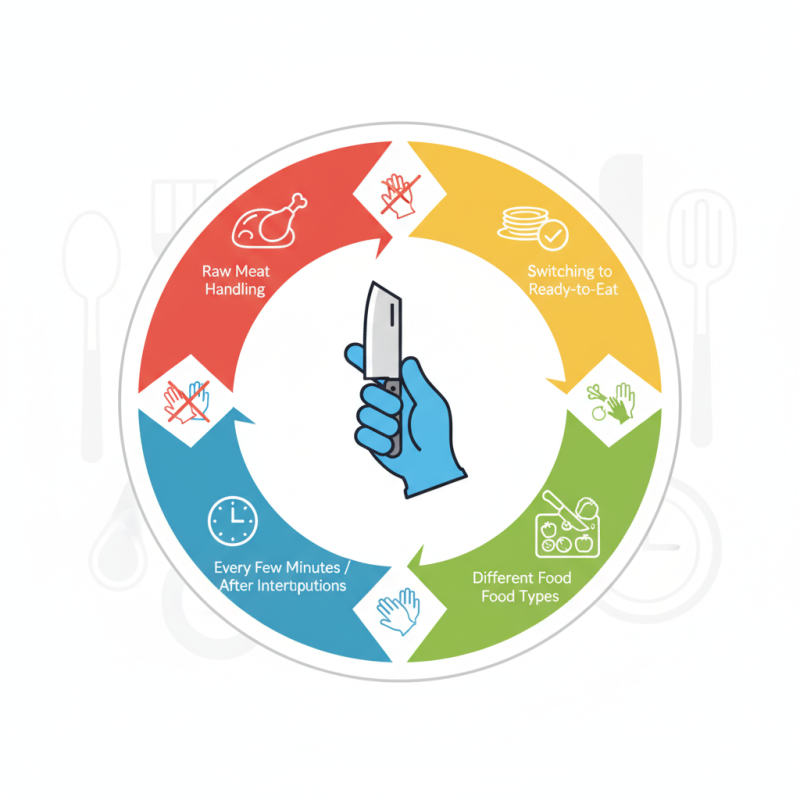
During food preparation, the risk of contaminating ingredients can increase quickly. For instance, once you handle raw meat, gloves should be replaced immediately to avoid transferring bacteria to other foods. Even small lapses in glove usage can lead to serious health consequences. It raises the question: are we changing our gloves often enough?

Many professionals suggest changing gloves between different tasks. Some even suggest changing them after every few minutes of preparation. Yet, not everyone follows this rule. It’s easy to overlook this aspect during busy hours. Remembering to change gloves is vital, but it’s something that can slip from our minds. The right frequency can greatly reduce contamination risks, ensuring a safer kitchen environment for everyone.
How Many Times to Change Gloves During Food Prep for Safety?

Understanding the Importance of Hand Hygiene in Food Preparation

Proper hand hygiene is crucial in food preparation. Every time you switch tasks, like moving from meat to vegetables, changing gloves is necessary. This practice prevents cross-contamination. Bacteria can easily transfer from raw foods to ready-to-eat items. Even a tiny amount can cause foodborne illness.

Tips: Always wash your hands before putting on gloves. This action creates a clean barrier. If the gloves become soiled, change them immediately, even if you haven't changed tasks.

Additionally, remember that gloves can give a false sense of security. Some may think they're immune to germs while wearing them. In reality, hands underneath the gloves can still harbor bacteria. Regular handwashing is vital, even when using gloves.

Tips: Set reminders to wash hands frequently. Incorporate this into routine practices. Using alcohol-based hand sanitizers can help when soap and water aren't available.

Best Practices for Changing Gloves During Different Food Prep Stages

Proper glove usage during food preparation is vital for food safety. According to the Food and Drug Administration (FDA), gloves are a critical barrier against contamination. Different stages of food prep require distinct approaches to glove changes.

When handling raw meat or poultry, it's essential to change gloves immediately after contact. This practice helps prevent cross-contamination, which the USDA states is a major cause of foodborne illnesses. Not changing gloves can lead to contamination of ready-to-eat foods. In fact, a study from the International Journal of Food Microbiology found that 25% of food handlers do not change their gloves often enough, heightening the risk of foodborne pathogens.

Additionally, gloves should be changed when transitioning between tasks. For example, switching from prepping vegetables to preparing a salad necessitates a new pair of gloves. Many food safety experts recommend changing gloves at least every four hours during continuous use. This regular change helps ensure safety and maintains hygiene standards. Research shows that only 50% of food service workers follow this best practice consistently, indicating an area that needs improvement.

Industry Guidelines on Glove Usage for Food Safety Compliance

When preparing food, knowing when to change gloves is crucial for safety. Industry guidelines suggest changing gloves frequently to reduce contamination risk. This means changing gloves between handling raw foods and ready-to-eat items. It also applies after using the restroom or when switching tasks.

In practice, this can be tricky. A busy kitchen may overlook glove changes amidst the rush. Regular reminders and training can help maintain compliance. Clearly posted reminders near workstations encourage staff to be vigilant.

**Tips:** Always adjust your glove usage based on tasks. For example, do not reuse gloves after touching surfaces. Additionally, consider using color-coded gloves to easily identify tasks. This can streamline food prep and promote food safety. Regularly review your glove policy, reflecting on its effectiveness in minimizing risks.

Statistics on Foodborne Illnesses Related to Improper Glove Use

In the food preparation industry, improper glove use can lead to serious foodborne illnesses. According to studies, a significant number of outbreaks arise from cross-contamination. Many workers forget to change gloves after handling raw meat or using the restroom. This negligence can put consumers at risk.

One effective practice is to change gloves frequently. Changing gloves after each task or whenever they become soiled is crucial. This simple step can greatly reduce the risk of transferring harmful bacteria. With gloves, the perception of cleanliness can be misleading. Workers may feel safe, but this comfort can lead to complacency.

Here are some tips to improve glove safety. Always wash your hands before putting on new gloves. Use gloves that fit well to avoid tears. Train staff on the importance of glove changes during busy shifts. Remind them that food safety requires constant attention. By implementing these measures, the likelihood of foodborne illnesses decreases significantly.

How Many Times to Change Gloves During Food Prep for Safety?

Recommendations for Educating Staff on Safe Glove Practices

When it comes to food safety, glove practices are vital. The USDA recommends changing gloves every four hours or sooner if contaminated. Yet, many food prep workers overlook this guideline. They may forget to change gloves between tasks, like handling raw meat and ready-to-eat items. This can lead to cross-contamination.

Education plays a crucial role in improving glove practices. Training sessions should emphasize the importance of changing gloves. Incorporating simple visuals can make concepts clearer. A report by the Food and Drug Administration shows that 53% of foodborne illness outbreaks are linked to poor hygiene practices. This statistic highlights the need for effective staff training.

Staff should also learn the correct way to don and doff gloves. Repeating this process can feel cumbersome. However, the potential risk of foodborne illness makes it necessary. Additionally, providing regular reminders can enhance compliance. Food safety is not just a checklist item; it's a culture that needs nurturing. Invest in proper training, and the results will show in food safety practices.

FAQS

: Why is hand hygiene important in food preparation?

: Proper hand hygiene prevents cross-contamination of bacteria from raw foods to ready-to-eat items.

When should I change my gloves?

Change gloves immediately after handling raw meat or transitioning between different food prep tasks.

Can gloves provide complete protection from germs?

No, gloves can create a false sense of security. Bacteria can still be present on hands underneath.

How often should gloves be changed during continuous use?

Gloves should be changed at least every four hours during continuous use.

What is a common mistake food handlers make with gloves?

Many food handlers forget to change gloves between tasks, increasing the risk of contamination.

How can staff improve glove practices?

Education and training sessions can highlight the importance of changing gloves properly and frequently.

What resources could help with glove practice education?

Simple visuals and regular reminders can enhance understanding and compliance among staff.

Are alcohol-based sanitizers effective during food prep?

Yes, they help when soap and water aren't available, but handwashing is still essential.

What can hinder good glove practices?

Staff may find the glove changing process cumbersome, leading to neglect of proper hygiene.

How serious is the impact of poor hygiene practices?

Poor hygiene practices are linked to 53% of foodborne illness outbreaks, emphasizing the need for better training.

Conclusion

The article "How Many Times to Change Gloves During Food Prep for Safety?" highlights the critical role of hand hygiene in food preparation as a fundamental practice to prevent foodborne illnesses. It emphasizes that understanding how many times you should change gloves during food prep is vital for maintaining food safety. Best practices recommend changing gloves when switching between different food types, after handling raw ingredients, or whenever gloves become soiled or damaged.

Additionally, the article outlines industry guidelines that dictate proper glove usage to ensure compliance with safety standards. It presents statistics linking improper glove use to increased foodborne illness, underscoring the necessity for rigorous glove practices. Finally, it advocates for educating staff on safe glove usage, which is essential for fostering a culture of safety in food preparation environments. By following these recommendations, food safety can be significantly enhanced, protecting both consumers and food service establishments.

Ethan

Ethan

Ethan is a seasoned marketing professional with a deep expertise in our company's innovative product line. With a passion for sharing knowledge and insights, he takes the lead in regularly updating our corporate blog, where he explores industry trends, product features, and effective marketing......