Mahesh Medical
In emergency situations, the ability to maintain safety and hygiene is crucial. Knowing how to disinfect disposable gloves in an emergency can help prevent the spread of harmful pathogens. Disposable gloves serve as a barrier against contaminants, but they can become soiled or compromised quickly. Understanding effective disinfection methods is essential for anyone who might be handling medical waste or caring for someone in need.
When traditional disinfection methods are unavailable, improvisation becomes key. Simple solutions, such as using alcohol-based sanitizers or soap and water, can be beneficial in dire circumstances. However, not all solutions work effectively on all types of contamination. It's important to recognize that some methods may not fully eliminate all pathogens, leaving room for potential health risks.
Acknowledge the limitations of your resources. In an emergency, you might not have access to ideal supplies. Disinfection is not always perfect, and some contamination may persist despite your efforts. While these techniques can mitigate risk, they cannot guarantee complete safety. Remain vigilant and adaptable, ensuring that you prioritize safety while making the best use of available resources.
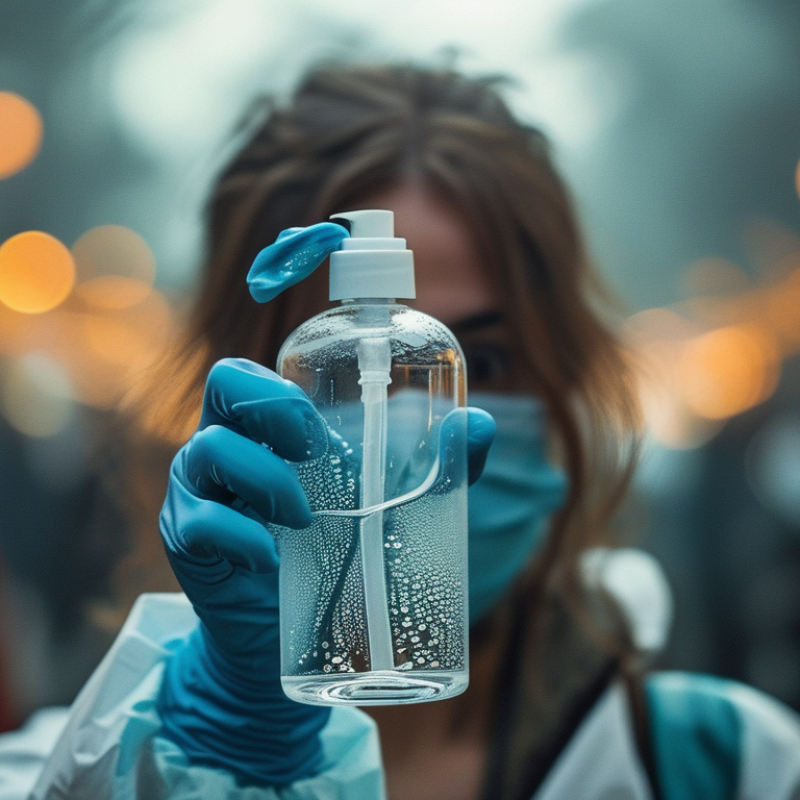
In emergency situations, the importance of disinfecting disposable gloves cannot be overstated. Disposable gloves are often the frontline defense against contamination. They protect both the wearer and the environment. However, if gloves are reused without proper disinfection, they can become a source of infection. Understanding the risks can save lives.
Disinfecting gloves is a challenge in emergencies. Ideally, gloves should be used once and disposed of safely. If you find yourself needing to reuse them, you must act quickly. Rubbing alcohol or diluted bleach can help, but be cautious. These solutions may damage the gloves. A quick wipe-down may not kill all pathogens. It’s a temporary fix, not a long-term solution. Always remember, the integrity of the glove is paramount.
Consistency in practice matters. Disinfection methods should be researched beforehand. Knowledge about the proper solutions is critical. Not all disinfectants are suitable for all surfaces. The goal is to minimize risk, not to expose yourself further. Mistakes can happen, and reflection on these methods is vital. A better understanding leads to improved practices.
In emergency situations, disinfecting disposable gloves can be vital. Understanding effective disinfection methods is crucial for maintaining safety. According to a study by the CDC, about 80% of infections are transmitted through hands. This underscores the importance of ensuring gloves are properly sanitized when reusing them is necessary.
Alcohol-based solutions are widely recommended for disinfecting gloves. A solution with at least 60% alcohol can eliminate many pathogens within seconds. However, not all gloves are compatible with alcohol; some materials may break down or become less effective. This highlights the need for an informed choice based on the glove's composition.
Another viable option is using a diluted bleach solution. The CDC suggests a mixture of 1,000 to 5,000 ppm for effective cleaning. However, this method can damage gloves, leading to micro-tears. Users need to carefully assess the condition of gloves after disinfection. In emergency settings, sometimes the line between safety and practicality blurs. The effectiveness of these methods is influenced by time, concentration, and the nature of contaminants. Always prioritize personal and public safety while grappling with the limitations of available resources.
In an emergency, disinfecting disposable gloves can be vital. While these gloves are designed for single use, circumstances may demand reuse. Start by gathering your supplies. You will need a disinfectant solution, ideally containing at least 70% alcohol or other appropriate antimicrobial agents. Ensure your workspace is clean to avoid cross-contamination.
Carefully remove the gloves without touching the outer surface. This is crucial to minimize contact with contaminants. Spray or wipe the gloves with the disinfectant. Ensure full coverage, paying special attention to seams and areas prone to soiling. Allow them to dry completely before considering reuse. However, this method is not foolproof. Relying on reused gloves can compromise safety, especially in high-risk settings.
It's important to reflect on your choices in using disinfected gloves. They may still harbor some pathogens. Always prioritize your health and the health of others. If possible, opt for clean gloves instead. Disinfecting should be a last resort, used only when no alternatives exist.
When disinfecting disposable gloves in an emergency, several safety precautions are critical. The first step is to ensure your hands are clean before handling disinfectants. A study from the American Journal of Infection Control noted that improper hand hygiene can lead to virus transmission. Using soap and water or hand sanitizer is essential.
Choosing the right disinfectant is also vital. According to the CDC, effective disinfectants must have at least 70% alcohol content. It’s important to read labels carefully. Some products can degrade glove materials, making them less effective. Test a small section first to observe any adverse reactions.
While disinfecting, avoid touching your face. Virus particles can transfer easily from contaminated surfaces to mucous membranes. Moreover, ensure the working area is well-ventilated to prevent inhaling any harmful fumes. Keep gloves damp with the disinfectant for the recommended time. This is often around 5 minutes, but check the product guidelines. Remember, disinfected gloves should not be a substitute for fresh ones, especially in critical scenarios.
| Step | Disinfectant Method | Safety Precautions | Effectiveness |
|---|---|---|---|
| 1 | Alcohol Wipes | Wear a mask and goggles | Good against most bacteria and viruses |
| 2 | Bleach Solution (1:10 dilution) | Use in a well-ventilated area | Highly effective against pathogens |
| 3 | Hydrogen Peroxide | Avoid contact with skin | Effective against certain viruses |
| 4 | Soap and Water | Ensure thorough rinsing | Good for general cleaning |
| 5 | UV Light | Wear protective eyewear | Can reduce pathogen load significantly |
Disinfecting disposable gloves in an emergency can extend their usability. Healthcare professionals often face shortages, so reusing gloves after disinfection is a necessary strategy. Before attempting any disinfection method, consider the glove material. Nitrile, latex, and vinyl gloves each react differently to disinfectants.
The Centers for Disease Control and Prevention (CDC) suggests using alcohol-based solutions. A minimum of 70% alcohol effectively kills many pathogens. However, keep in mind that prolonged exposure may degrade glove quality. Inspect gloves before reuse for any signs of wear or damage. If you find tears or holes, it’s safer to discard them.
Tip: When disinfecting gloves, spray them lightly with the disinfectant and let them air dry. Avoid soaking to prevent material breakdown. Remember, not all germs are eliminated, and reused gloves may still harbor pathogens. Always prioritize safety and hygiene.
It’s important to understand limitations in this practice. While disinfection can reduce risk, it does not guarantee total safety. Follow best practices and remain aware of the potential for cross-contamination. It’s crucial to balance emergency needs with effective infection control measures. By recognizing these nuances, users can make informed decisions about glove reuse.
: Disinfecting gloves can help reduce infection transmission, especially in critical situations where glove shortages occur.
Alcohol-based solutions with at least 60% alcohol and diluted bleach solutions are commonly recommended.
Check gloves' material specifics and test a small area first to see if there are any adverse reactions.
Ensure hands are clean, avoid touching your face, and maintain good ventilation during disinfection.
Gloves should stay damp for about 5 minutes, but always check the product guidelines for specifics.
Yes, but inspect for wear or damage before reuse. Disinfected gloves may still harbor some pathogens.
Discard any gloves with tears or holes to ensure safety and prevent cross-contamination.
No, disinfected gloves should not replace fresh gloves, especially in critical scenarios where safety is paramount.
Different materials, such as nitrile, latex, and vinyl, react differently to disinfectants, impacting their effectiveness.
While disinfection reduces risk, it doesn't guarantee complete safety; always prioritize hygiene and safety practices.
In emergency situations, knowing how to disinfect disposable gloves effectively is crucial to prevent the spread of contaminants. Disinfection is important because it allows for safer reuse of gloves when supplies are low. Suitable disinfection methods include using alcohol-based solutions or other approved disinfectants that can eliminate pathogens without damaging the glove material.
A step-by-step guide involves thoroughly coating the gloves with the chosen disinfectant, allowing adequate contact time, and air-drying before reuse. However, safety precautions must be observed, such as wearing a pair of gloves while disinfecting to protect oneself from exposure to chemicals. Best practices for reusing disposable gloves after disinfection include checking for any signs of damage or degradation before use. By following these guidelines, individuals can ensure a higher level of safety while addressing urgent needs during critical times.
