Mahesh Medical Mahesh Medical

Can Disposable Gloves Protect Against Household Chemicals?

Time:2026-05-28 Author:Madeline
0%

In a world filled with various household chemicals, the question remains: can disposable gloves protect against household chemicals? According to Dr. Emily Carter, a renowned safety expert, “While gloves offer protection, they are not foolproof.” This statement highlights the complexities of using disposable gloves in domestic cleaning and maintenance tasks.

Disposable gloves are a common choice for many individuals looking to safeguard their skin from harsh substances. However, not all gloves offer the same level of protection. Different materials can react differently to specific chemicals. For instance, latex gloves may deteriorate when exposed to certain solvents. Users often assume gloves provide complete safety, but improper use or wear can compromise their effectiveness.

It is crucial to consider the type of chemical and glove material. Some users rely heavily on gloves but may overlook proper cleaning techniques. As Dr. Carter emphasizes, awareness is key to ensuring safety. Ultimately, while disposable gloves can mitigate risks, they should not replace informed practices when handling household chemicals.
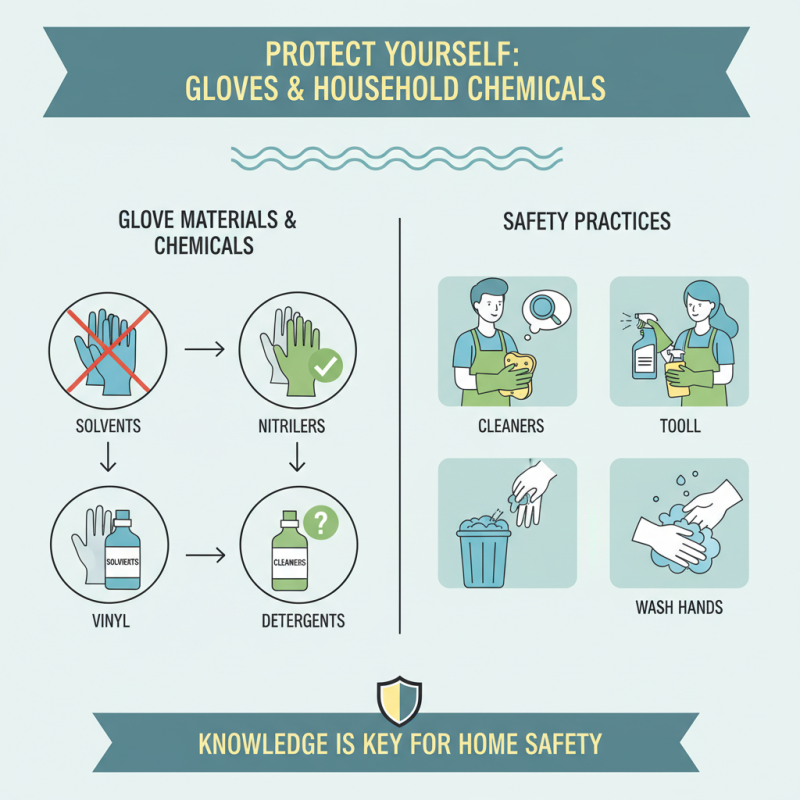
Can Disposable Gloves Protect Against Household Chemicals?

Understanding Disposable Gloves and Their Purpose

Disposable gloves play a vital role in protecting users from household chemicals. These gloves are designed for single use and are made from various materials. Nitrile and latex are common options. According to research from the American National Standards Institute, proper glove use can significantly reduce exposure to harmful substances.

However, not all disposable gloves provide the same level of protection. Some chemicals can penetrate certain materials. For example, latex gloves may break down when exposed to strong acids or solvents. It is essential to check the glove specifications against the chemicals you handle. The Environmental Protection Agency highlights that incorrect usage could lead to skin irritation or chemical burns.

Tips: Always inspect gloves for rips or tears before use. Rotate the gloves based on the type of tasks you perform. Remember, even the best gloves require proper handling and disposal to ensure safety. Relying solely on gloves without following guidelines can lead to complacency. Establish regular checks to evaluate your protective gear and methods.

Types of Disposable Gloves Commonly Used in Households

When it comes to protecting your hands from household chemicals, disposable gloves can be invaluable. Various types of gloves cater to different needs when tackling chores. Latex gloves are popular for their flexibility and comfort, suitable for light cleaning tasks. However, some people may have allergies to latex, making it an unsuitable choice for them.

Nitrile gloves are often recommended for heavy-duty tasks. They offer great resistance to a variety of chemicals. These gloves are tough but might feel less breathable than their latex counterparts. If you're handling harsh cleaning products or paint, nitrile could be your best option. Vinyl gloves are the least durable but still serve well for light household tasks. They're great for basic cleaning but can tear easily.

Choosing the right glove is important. While the right pair can shield your skin, wearing ill-fitting gloves can lead to chemical exposure. Always check for holes or tears before use. Reflect on how gloves fit during different tasks. This can greatly affect your safety and comfort while cleaning.

Effectiveness of Disposable Gloves Against Household Chemicals

When dealing with household chemicals, it's crucial to understand the protection that disposable gloves can offer. Research from the American Journal of Public Health indicates that approximately 25% of household cleaning products contain hazardous materials. These substances can lead to skin irritation or chemical burns, making the proper use of gloves essential.

Disposable gloves, particularly those made from nitrile or latex, can provide effective barriers against many household chemicals. A study conducted by the National Institute for Occupational Safety and Health highlighted that nitrile gloves can withstand exposure to a range of solvents and irritants. However, not all disposable gloves are created equal. For instance, vinyl gloves may not offer the same level of protection against strong chemicals.

It's also important to consider that gloves have a limited lifespan. Research shows that prolonged exposure to harsh chemicals can degrade gloves, compromising their integrity. Users should regularly inspect gloves for any signs of wear and replace them when necessary. Moreover, having a clear understanding of the specific chemicals being handled can guide the choice of glove type, ensuring the best possible protection.

Can Disposable Gloves Protect Against Household Chemicals? - Effectiveness of Disposable Gloves Against Household Chemicals

Type of Disposable Glove Material Chemical Resistance Recommended Use Limitations
Nitrile Gloves Nitrile Rubber High resistance to oils and solvents Cleaning, handling chemicals Not suitable for prolonged exposure
Latex Gloves Natural Rubber Latex Good resistance to water and weak chemicals General cleaning, food handling Possible allergy reactions, limited solvent resistance
Vinyl Gloves Polyvinyl Chloride (PVC) Low resistance to solvents and chemicals Food preparation, light-duty tasks Not recommended for hazardous substances
PPE-rated Glove Various Protective Materials Varies based on material Heavy-duty chemical handling Requires specific training for use

Limitations and Risks of Using Disposable Gloves

Disposable gloves can provide a layer of protection against household chemicals. However, they have limitations. Many disposable gloves are made from materials like latex, vinyl, or nitrile. Each type has different resistance levels to chemicals. For example, a study by the American Chemical Society indicated that nitrile gloves can offer better protection against certain solvents than latex gloves. Yet, no glove is impervious to all chemical substances.

One major risk is the false sense of security gloves can create. Users may assume they are entirely protected while engaging in tasks such as cleaning or handling paints. In reality, prolonged exposure can lead to glove degradation. Research from OSHA shows that even minor tears or punctures can allow harmful chemicals to penetrate. It's vital to check gloves for damage before use.

Another concern is the proper fit and usage of gloves. Gloves that are too loose may slip off, while those that are too tight can tear easily. A poorly fitted glove may not provide adequate protection. Additionally, gloves should be changed frequently, especially when exposed to harsh chemicals. A report from the CDC highlights that improper glove practices can lead to contamination and increased health risks.

Best Practices for Safe Use of Disposable Gloves in Cleaning Tasks

When using disposable gloves for cleaning, it's essential to follow safety best practices. Start by choosing gloves that fit well. Loose gloves can easily slip off while you work. Make sure to inspect them before use. Any tears or damage can compromise protection. Put on the gloves properly, ensuring they cover your wrists fully.

While disposable gloves offer a layer of protection, they are not infallible. Some household chemicals can still irritate your skin if gloves are not used correctly. Remember to change gloves often, especially when switching between different cleaning agents. Keeping a pair of gloves designated for specific tasks can prevent cross-contamination.

Lastly, don’t forget to wash your hands after removing the gloves. It may seem redundant, but residue can linger. Reflecting on this aspect of cleaning can enhance safety. Using gloves is a necessary step, but it should not replace proper hygiene practices. Always pay attention to how chemicals interact with gloves. This awareness contributes to more effective and safer cleaning routines.

Effectiveness of Disposable Gloves Against Common Household Chemicals

FAQS

: What types of disposable gloves are effective against household chemicals?

: Nitrile and latex gloves offer good protection against many chemicals. Vinyl gloves may provide less effectiveness.

How long do disposable gloves last when handling chemicals?

Disposable gloves have a limited lifespan. Prolonged exposure to harsh chemicals can degrade them.

What should I do if my gloves show signs of wear?

Inspect gloves regularly. Replace them immediately if you see any wear or damage.

Can disposable gloves create a false sense of security?

Yes, they can lead users to believe they are fully protected. This can be dangerous.

How can I ensure my gloves fit properly?

Choose gloves that fit snugly. Too loose, and they may slip off; too tight, and they can tear.

Is it necessary to change gloves frequently?

Yes, gloves should be changed often, especially when exposed to strong chemicals.

What risks are associated with improper glove practices?

Improper use can lead to contamination and increase health risks during cleaning tasks.

Do all gloves offer the same level of chemical protection?

No, different materials have varying resistance levels. Nitrile gloves are often better than latex.

Conclusion

The article "Can Disposable Gloves Protect Against Household Chemicals?" explores the role of disposable gloves in household cleaning tasks. It begins by defining the purpose of disposable gloves and highlights the various types commonly used in households, such as latex, vinyl, and nitrile gloves. The effectiveness of these gloves against household chemicals is examined, noting their ability to provide a barrier against most cleaning agents, thus enhancing safety during cleaning activities.

However, the article also addresses the limitations and risks associated with using disposable gloves, such as potential tears and chemical permeability. Best practices for safe glove use are discussed, emphasizing the importance of proper fitting, timely replacement, and thorough hand washing after use. Ultimately, while the article confirms that disposable gloves can protect against household chemicals, it stresses the need for users to remain vigilant and informed about their limitations to ensure optimal safety in cleaning endeavors.

Madeline

Madeline

Madeline is a dedicated marketing professional with a wealth of expertise in our company's core offerings. With a keen understanding of the industry, she brings a unique perspective to her role, consistently delivering high-quality content that highlights the superior aspects of our products. As......