Mahesh Medical
Safe glove use is a small habit with a major effect on food safety. During busy preparation, one pair can move from raw chicken to a cutting board before anyone notices. That mistake can spread invisible bacteria across ready-to-eat foods. Gloves are not a substitute for clean hands. They are a temporary barrier.
So, how many times should you change gloves during food prep? The answer depends on the task, the food, and the glove’s condition. Change gloves between raw and ready-to-eat foods. Replace them after touching phones, handles, hair, faces, waste bins, or cleaning products. Change them immediately when they tear, become visibly dirty, or feel wet inside. Public-health guidance supports these controls, while professional kitchens usually add stricter workplace procedures.
Timing matters.
Experienced food handlers also wash their hands before putting on new gloves. They avoid rinsing or reusing disposable gloves, even when the gloves look clean. That point is often forgotten during a crowded service period. A practical routine helps: keep spare gloves near each prep station, separate raw-food tools, and ask a supervisor to check high-risk steps. Still, no routine is perfect. Staff may rush, supplies may run low, or a task may change unexpectedly. Regular training, clear records, and honest review can reveal those weak points. This guide explains five practical tips for changing gloves safely, reducing cross-contamination, and building habits that protect customers and the food team.
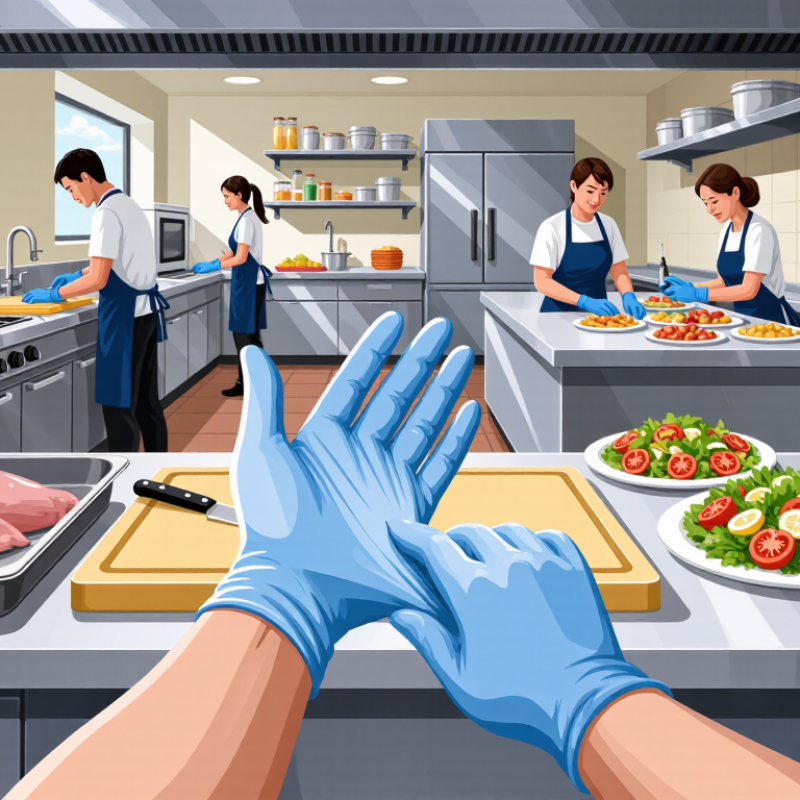
Glove changes are not only about time. They are about what your hands have touched. During food preparation, replace gloves after handling raw meat, poultry, seafood, eggs, or unwashed produce. Change them before touching ready-to-eat foods, clean utensils, or serving plates. A glove is not a shield against poor habits. Dirty gloves can spread contamination just like bare hands.
In my kitchen experience, the safest changes happen at clear task breaks. I remove gloves before opening a refrigerator, answering a phone, or touching a bin. I wash my hands, dry them, and put on a fresh pair. Gloves should also be changed when torn, wet inside, visibly dirty, or uncomfortable. Do not rinse or reuse disposable gloves. That shortcut feels harmless. It is not.
Tips: Keep spare gloves near each work area, not across the room. Store them in a clean, dry dispenser. Use a simple task check: raw food, waste, cleaning, ready-to-eat food. Each change deserves clean hands. If gloves make you less careful, stop and reset. Guidance can vary by local food-safety rules, so trained food handlers should follow workplace procedures and official health advice. Mistakes happen, but ignoring repeated mistakes is the bigger problem.
Gloves should change with the task, not only when they look dirty. The 2022 FDA Food Code advises replacing single-use gloves when they become soiled, damaged, or contaminated. Change them after handling raw meat, poultry, seafood, or eggs before touching produce or ready-to-eat food. This simple pause matters. The CDC estimates that foodborne illnesses cause about 48 million illnesses, 128,000 hospitalizations, and 3,000 deaths annually in the United States. Gloves cannot prevent every risk, but clean hands and timely changes reduce cross-contact.
Tips: Wash and dry your hands before putting on new gloves. Replace gloves after touching phones, door handles, hair, face, waste bins, or cleaning tools. During salad preparation, change gloves before handling cooked ingredients or garnishes. If a glove tears, leaks, or feels sticky, stop and replace it immediately. Small defects matter.
The FDA Food Code also treats a task interruption as a clear change point. After a break, restroom visit, coughing episode, or equipment adjustment, discard the old pair. Keep glove boxes near each preparation station, not across a busy kitchen. In real kitchens, perfect timing is difficult. Staff may forget during rush periods. A visible reminder can help, though reminders alone are not enough. Managers should observe handwashing and glove changes during busy service, then correct habits respectfully.
How Often Should You Change Gloves During Food Prep: 5 Tips
How to Remove and Replace Gloves Without Contamination
Gloves are not a shortcut for clean hands. The FDA Food Code 2022 requires single-use gloves to be discarded when torn, soiled, or interrupted. Wash and dry your hands before wearing a new pair. Change gloves between raw meat and ready-to-eat foods, after touching phones or faces, and whenever the work surface becomes contaminated. The CDC estimates that foodborne illness causes about 48 million illnesses and 3,000 deaths in the United States each year. Small habits matter.
Use this practical five-step routine. Pinch the outside of one glove near the wrist. Peel it away from your hand, turning it inside out. Hold the removed glove in your still-gloved hand. Slide clean fingers under the remaining glove’s cuff, avoiding its contaminated outer surface. Peel it over the balled glove, then discard both gloves and wash your hands for at least 20 seconds, as advised by the CDC. Put on fresh gloves only after drying your hands.
A missed detail can undo careful prep. I have seen workers pull new gloves from a box with dirty cuffs, then touch a knife handle. Keep glove supplies away from splash zones. Do not rinse or reuse disposable gloves; the FDA warns that washing can spread contamination. Change gloves before handling cooked food, not after. If the cuff touches a counter, replace the pair. The extra seconds feel inconvenient. They are cheaper than a preventable mistake.
There is no universal time limit for wearing a single pair of gloves. Change gloves whenever they become soiled or damaged, after handling raw food, before handling ready-to-eat food, when changing tasks, and after touching contaminated surfaces. Always wash hands before putting on new gloves.
Safe replacement method: Remove gloves without touching the outside surface, discard them, wash hands with soap and water, dry hands, and put on a fresh pair. These practices are consistent with food-safety guidance from the U.S. FDA Food Code and the CDC.
How Often Should You Change Gloves During Food Prep 5 Tips?
Handwashing Rules Before Putting on New Gloves
Gloves are not a substitute for clean hands. The FDA Food Code 2022 requires food employees to wash hands before putting on gloves. Wash with soap and warm water for at least 20 seconds. Clean under fingernails and between fingers. Dry hands with a clean, single-use towel before wearing new gloves.
During preparation, use these five practical rules. Change gloves when they tear, become dirty, or touch a non-food surface. Replace them after handling raw meat, poultry, seafood, or unwashed produce. Remove gloves before touching phones, bins, handles, or your face. Wash hands again before putting on another pair. Never wash or reuse disposable gloves.
The CDC estimates that foodborne illness causes about 48 million illnesses in the United States each year. Its estimates also include roughly 128,000 hospitalizations and 3,000 deaths. These figures show why small habits matter. They also expose a common weakness: rushed handwashing. In busy kitchens, workers may change gloves quickly but skip the sink. That mistake is easy to overlook. It deserves honest review.
A useful routine is simple. Remove the old gloves, wash for 20 seconds, dry completely, then glove again. The process takes little time. Clean hands protect the food before the gloves ever touch it.
| Situation or Trigger | When to Change Gloves | Handwashing Requirement | Food-Safety Reason |
|---|---|---|---|
| Starting food preparation | Before handling ready-to-eat food, put on a new pair of single-use gloves. | Wash hands before putting on gloves, including after entering the kitchen or returning from a break. | Gloves are not a substitute for clean hands; contaminated hands can contaminate the outside of new gloves. |
| Changing from raw food to ready-to-eat food | Remove and replace gloves before switching from raw meat, poultry, seafood, eggs, or unwashed produce to ready-to-eat food. | Wash hands after removing the used gloves and before putting on new gloves. | Prevents transfer of pathogens from raw ingredients to food that will not receive further cooking. |
| Gloves become torn, dirty, or contaminated | Change immediately if gloves are ripped, punctured, visibly soiled, sticky, or touch a contaminated surface. | Wash hands before applying replacement gloves. | Damaged or contaminated gloves can allow microorganisms or foreign material to reach food. |
| After touching non-food items or body areas | Change gloves after touching the face, hair, phone, door handles, cleaning tools, waste containers, or money. | Wash hands before putting on a fresh pair. | Surfaces and personal-contact areas can introduce germs or allergens into food. |
| Continuous handling of the same food | Replace gloves at least every 4 hours during continuous use, and sooner if they become dirty, damaged, or contaminated. | Wash hands between glove changes. | Moisture, heat, and extended wear can increase the chance of glove breakdown and contamination. |
| After using the restroom, coughing, sneezing, or blowing the nose | Discard gloves immediately and use a new pair before resuming food preparation. | Wash hands thoroughly with soap and water before putting on new gloves. | These activities can transfer pathogens to hands and gloves. |
Common glove-use mistakes often begin with false confidence. Gloves are not a substitute for clean hands. The 2022 FDA Food Code requires food workers to wash hands before putting on gloves. Gloves should be replaced when torn, dirty, after handling raw food, or after touching phones, bins, doors, or cleaning tools.
The USDA’s 2018 observational study found that workers failed to wash their hands correctly 97% of the time. That finding makes glove routines worth reviewing carefully.
A short pause prevents a longer problem.
One overlooked mistake is wearing gloves too long. Moisture, flour, and food residue can collect inside them. That feels uncomfortable, but workers may ignore it during a rush.
A simple timer or task-based rule helps: one pair for one clean task. In practice, staff may still forget.
Supervisors should observe handwashing, glove changes, and surface contact during real preparation, not only during inspections. The CDC estimates that about 48 million people in the United States experience foodborne illness each year, so small habits deserve serious attention.
Change them after handling raw meat, poultry, seafood, eggs, or unwashed produce. Replace them before touching ready-to-eat food.
Yes. Wash with soap and warm water for at least 20 seconds. Dry your hands completely before wearing fresh gloves.
Remove the gloves, wash and dry your hands, then put on a new pair. Those surfaces may carry contamination.
No. Disposable gloves should not be washed or reused. That shortcut fails.
Change gloves when they tear, become wet inside, look dirty, or feel uncomfortable. Small damage still matters.
Keep spare gloves near each work area. Store them in a clean, dry dispenser, not beside waste or splashes.
No. Gloves cannot replace clean hands or careful habits. Dirty gloves can spread contamination like bare hands.
Remove old gloves, wash for 20 seconds, dry fully, and wear new gloves. I may rush sometimes, so checking the routine helps.
Changing gloves is an essential part of safe food preparation, not merely a matter of keeping hands covered. The question “how many times should you change gloves during food prep” depends on the task: replace them when they become torn, dirty, contaminated, or whenever you move from raw foods to ready-to-eat items. Gloves should also be changed after handling allergens, touching waste, cleaning equipment, taking breaks, or switching between different preparation activities. Using a fresh pair helps prevent bacteria, allergens, and other contaminants from spreading between foods and surfaces.
To replace gloves safely, remove them without touching the outside, discard them properly, and wash your hands thoroughly with soap and water before putting on a new pair. Clean hands are necessary because gloves are not a substitute for handwashing. Avoid common mistakes such as washing disposable gloves for reuse, wearing the same pair too long, touching phones or door handles, and assuming gloves remain clean throughout a shift. Regular changes, careful handwashing, and task awareness create a safer food preparation routine.
