When it comes to protective gear, mechanics often face a crucial choice between heavy-duty nitrile gloves and latex gloves. The question that arises is, "why do mechanics prefer heavy-duty nitrile over latex?" This preference stems from practical experiences and the specific demands of the automotive industry. Nitrile gloves provide superior durability and resistance to punctures and tears. They can withstand oils, chemicals, and other challenging substances encountered in a mechanic's daily tasks.
In contrast, latex gloves, while comfortable and flexible, often fall short in terms of durability. Mechanics need gloves that can handle strenuous tasks without tearing. Nitrile’s strength gives professionals the confidence to work on various jobs without risking contamination or injury. Moreover, nitrile gloves are latex-free, addressing allergies that some mechanics may have.
The choice is not merely about personal comfort but also about safety and efficiency. Mechanics understand that the right gloves can significantly impact their performance and protection. As they interact with various materials, the high-performance nature of nitrile becomes essential. A deep understanding of these materials leads to informed decisions, emphasizing the ongoing question of why heavy-duty nitrile is so favored in the industry.
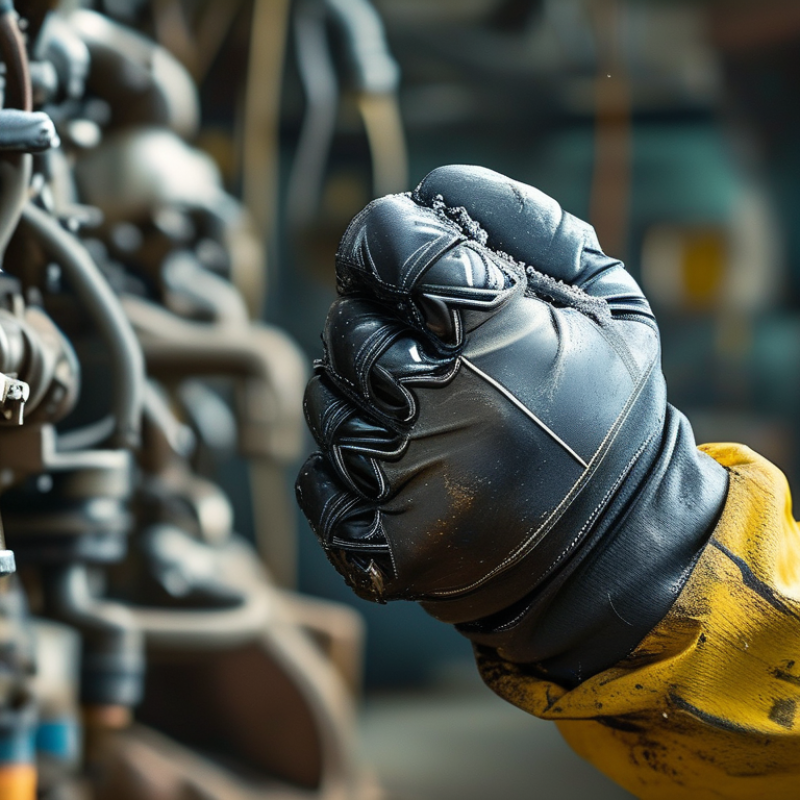
Comparison of Nitrile and Latex Materials in Mechanical Work
When it comes to mechanical work, the choice of gloves is critical. Mechanics often prefer heavy-duty nitrile gloves over latex gloves for several reasons. Nitrile provides a better barrier against chemicals and punctures, making it a safer option in many environments. According to industry reports, nitrile gloves offer a chemical resistance of up to 95%, while latex gloves typically offer around 70%. This significant difference can impact overall safety and efficiency.
In addition to chemical resistance, durability plays a vital role. Nitrile gloves tend to last longer under mechanical stress. They can withstand repeated abrasion, unlike latex, which is more prone to tearing. Studies indicate that workers wearing nitrile gloves report fewer incidents of glove failure. The enhanced dexterity of nitrile also allows for delicate tasks, often necessary in automotive repair.
However, there are challenges to consider. Nitrile gloves may not provide the same level of comfort as latex. Some users report that nitrile can feel less flexible, especially during prolonged use. For certain tasks requiring maximum tactile sensitivity, latex may still hold an advantage. Understanding these nuances can guide professionals in selecting the most appropriate gloves for their specific work environment.
Benefits of Heavy Duty Nitrile for Mechanical Applications
Heavy-duty nitrile gloves have proven to be a favorite among mechanics, and for good reason. Their durability and resistance to punctures outweigh what latex offers. A study by the National Institute for Occupational Safety and Health indicated that nitrile gloves are 3-4 times more resistant to chemicals than latex counterparts. This ensures better protection during mechanical tasks, particularly when handling oils and solvents.
These gloves exhibit superior grip under oily or wet conditions. Mechanics often face such challenges, making grip essential for safety. An analysis revealed that over 50% of workplace accidents involve slips. Heavy-duty nitrile gloves significantly mitigate this risk, boosting worker confidence and efficiency. However, while they offer many benefits, some users report reduced tactile sensitivity compared to latex options. This can sometimes hinder precision tasks, leading to reflection on the balance between protection and dexterity.
Moreover, heavy-duty nitrile gloves have a longer shelf life, making them a cost-effective option. A report from the American Society of Safety Professionals highlighted that gloves can last up to five years when properly stored. However, this may lead mechanics to overlook the importance of regular inspections, which are vital to ensure optimal performance and safety. While nitrile gloves shine in many areas, periodic assessments are crucial to maintaining their reliability during critical tasks.
Durability and Resistance: Nitrile vs. Latex in Extreme Conditions
Mechanics often face extreme conditions that demand robust protective gear. This is where heavy-duty nitrile gloves prove superior to latex. Studies indicate that nitrile exhibits better puncture resistance, making it a reliable choice in automotive and industrial environments. According to a report by the American National Standards Institute, nitrile gloves can withstand over three times the puncture force compared to their latex counterparts. The resilient properties of nitrile allow it to endure harsher chemicals and abrasive materials.
Moreover, nitrile's resistance to oils and various solvents is crucial in mechanical tasks. Latex gloves can degrade quickly when exposed to these substances, leading to potential safety hazards. A comprehensive analysis indicates that nitrile remains unaffected by many common automotive fluids, enhancing its longevity and safety. In a mechanical workshop, wearing nitrile gloves can increase a mechanic's efficiency and provide confidence in their protection.
However, it is essential to acknowledge some limitations. For individuals with specific allergies, nitrile may cause sensitivity. While overall safe, stricter monitoring of material safety is essential. Mechanics should periodically assess the performance of their chosen gloves under actual working conditions. Balancing comfort and functionality remains a challenge, but the durability of nitrile gloves stands out in many scenarios.
Health and Safety Considerations for Mechanics Using Gloves
Heavy-duty nitrile gloves are a common choice among mechanics for several reasons, especially regarding health and safety. Mechanics frequently work with chemicals, oils, and solvents that can be harmful to skin. Studies show that nitrile gloves offer superior protection against such hazardous materials compared to latex. For instance, the Protective Industrial Products (PIP) report highlights that nitrile gloves resist punctures and tears, ensuring a safe barrier for skin.
One must consider the allergic reactions associated with latex. The American Academy of Allergy, Asthma, and Immunology states that latex allergies can trigger severe reactions in some individuals. By choosing nitrile, mechanics can minimize this health risk. Safety should always come first. Ensuring a snug fit can further enhance protection and dexterity while working.
**Tip:** Always check for gloves that meet ANSI standards for safety. This ensures that you are using reliable protective gear.
In addition, the durability of nitrile gloves means they last longer during heavy-duty use. Mechanics can save money and time by not having to replace gloves as frequently. However, some mechanics may overlook appropriate glove disposal. Improper disposal can lead to environmental concerns, challenging the safety standards they aim to uphold.
**Tip:** Dispose of used gloves in designated waste bins to prevent contamination.
Why Do Mechanics Prefer Heavy Duty Nitrile Over Latex?
Cost-Effectiveness of Heavy Duty Nitrile in the Long Run
Heavy-duty nitrile gloves are increasingly favored in automotive repair due to their cost-effectiveness over time. A recent industry report revealed that while nitrile gloves may have a higher upfront cost than latex, their durability leads to significant savings. Mechanics typically use heavyweight gloves for prolonged tasks, and nitrile gloves resist tears and punctures better than latex. This feature is crucial in mechanics where sharp tools and chemicals abound.
In addition to durability, nitrile’s resistance to oils and solvents enhances its utility. A study published in the Journal of Occupational Health found that mechanics prefer nitrile for its chemical resistance. This aspect increases safety and reduces the need for frequent glove changes, ultimately saving money. In contrast, latex can wear out quickly under harsh conditions, leading to potential safety hazards.
Though nitrile gloves are generally regarded as superior, the initial financial investment can be daunting for small shops. Some mechanics still favor latex due to familiarity and lower cost. This practice may result in higher long-term costs due to increased glove consumption. It’s essential for professionals to weigh immediate expenses against future savings and safety to make informed choices.
FAQS
: Nitrile gloves offer better chemical resistance and puncture protection, making them safer for mechanical work.
Nitrile gloves are about 3-4 times more resistant to chemicals than latex gloves.
Yes, nitrile gloves tend to endure more mechanical stress and last longer than latex gloves.
Some users find nitrile gloves less comfortable and less flexible during prolonged wear.
Superior grip in oily or wet conditions helps prevent slips, which account for many workplace accidents.
Regular inspections are crucial to ensure the gloves maintain their performance and safety during use.
While nitrile gloves are beneficial, they may reduce tactile sensitivity compared to latex gloves for fine tasks.
The longer shelf life may lead to neglecting regular inspections, which are vital for safety and performance.
Focusing solely on protection may hinder the precision required for delicate tasks.
Their durability and grip help boost worker confidence, enhancing efficiency during hazardous tasks.
Conclusion
In the discussion of why mechanics prefer heavy-duty nitrile over latex, a comprehensive comparison highlights the advantages of nitrile materials in mechanical work. Heavy-duty nitrile gloves provide superior durability and resistance to extreme conditions, making them ideal for tasks that involve handling oils, chemicals, and harsh environments. These gloves outlast latex alternatives, which can become brittle under such conditions.
Additionally, health and safety considerations play a vital role; nitrile is less likely to provoke allergic reactions compared to latex, thus ensuring better protection for mechanics. Furthermore, the cost-effectiveness of heavy-duty nitrile in the long run is evident, as their extended lifespan reduces the frequency of replacements. Ultimately, these factors solidify why mechanics show a strong preference for heavy-duty nitrile gloves over latex ones in their daily work.
 Mahesh Medical
