Mahesh Medical
When discussing medical gloves, an interesting question often arises: why do medical gloves have textured fingertips? The answer goes beyond mere design choice. Textured fingertips enhance grip, improve control, and ensure precision during medical procedures. Doctors and nurses rely on these gloves in critical situations, where slipping could lead to serious consequences.
In many cases, a firm grip is essential. Medical professionals handle delicate instruments and perform intricate tasks. The surface texture provides a reliable hold, preventing accidents. This design feature is especially important in high-stakes environments like surgeries or emergencies. Even a slight slip can compromise patient safety.
However, not all gloves are created equal. Some users may find that the texture impacts their tactile sensitivity. This trade-off is a point of discussion among healthcare workers. They often reflect on their preferences and experiences to determine the best glove for their needs. The balance between grip and sensitivity continues to be an area of exploration in glove design.
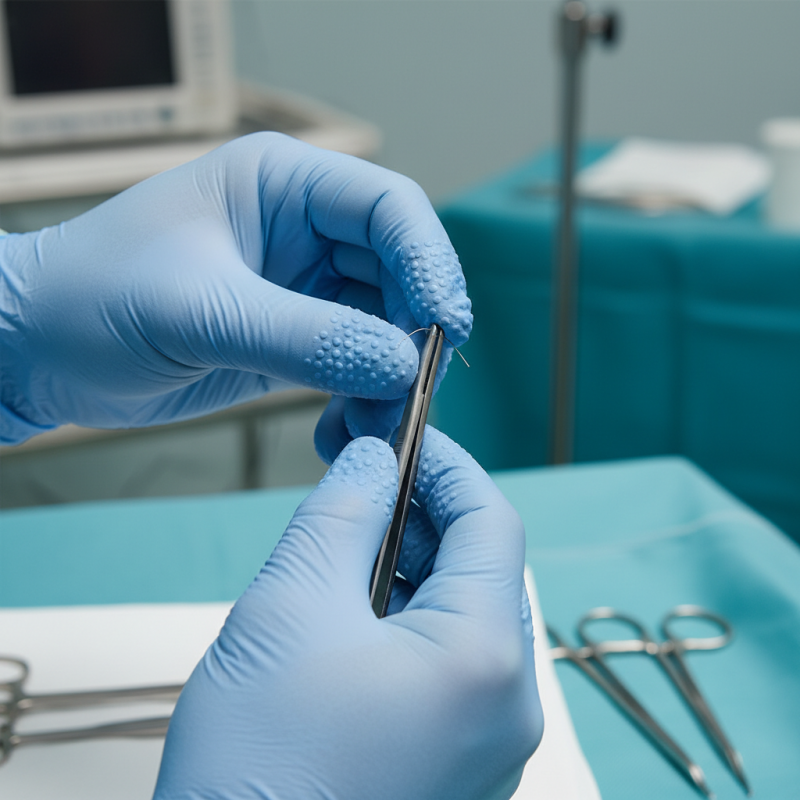
Textured fingertips in medical gloves play a crucial role in enhancing grip and providing tactile sensitivity. A study by the Journal of Healthcare Engineering found that gloves with textured surfaces improved grip efficiency by up to 30%. This increase is significant, especially in high-stakes environments like surgical procedures where precision is vital.
The design not only improves grip but also ensures safer handling of instruments. In various medical settings, over 25% of medical professionals reported difficulty with instrument manipulation when using non-textured gloves. This can lead to errors, compromising patient safety. Textured gloves can give healthcare workers confidence while handling sharp or delicate tools. This small enhancement can make a big difference in patient outcomes.
However, not all gloves maintain a perfect balance between texture and comfort. Some healthcare workers have noted that overly textured gloves can cause discomfort during prolonged use. This leads to a need for continuous research into material innovations. Finding the right balance is important for maximizing both functionality and comfort in clinical practices.
In medical and healthcare settings, grip is essential. Healthcare professionals handle various tools, instruments, and medications regularly. Textured fingertips on medical gloves play a significant role in enhancing this grip. The surface texture provides friction, which can reduce the risk of dropping items. In critical situations, every second matters. A secure grip could mean the difference between success and a serious lapse in care.
However, the texture can sometimes collect debris or fluids, impacting performance. This raises an interesting question: are the textured surfaces always beneficial? Regularly assessing the condition of gloves is crucial. Healthcare workers must balance functionality with hygiene. In high-stakes environments, any slip can lead to significant consequences. Ensuring gloves offer the right grip while remaining clean is a continual challenge.
The design of textured fingertips is a testament to responsive innovation. Manufacturers strive to create gloves that enhance usability without compromising safety. Yet, flaws exist in every system. Professionals must remain vigilant, ensuring they maintain their grip—both literally and figuratively—in their demanding roles. The pursuit of an ideal balance persists in the world of medical gloves.
Textured fingertips on medical gloves serve a critical role in enhancing grip. The texture increases the surface area and friction, allowing healthcare workers to hold instruments securely. According to a study published in the Journal of Occupational Medicine, gloves with textured surfaces can improve the grip strength by up to 30% compared to smooth gloves. This added grip is essential in preventing accidents, especially during intricate procedures.
Moreover, proper grip can mitigate fatigue. A report by the American Journal of Surgery revealed that surgeons using textured gloves experienced less hand strain over extended periods. This is significant in high-pressure situations where precision is vital. However, not all textures perform equally. Some may wear out quickly, compromising grip over time. Therefore, selecting gloves that balance texture durability and flexibility is crucial.
Additionally, while textured gloves enhance grip, they may cause discomfort for some users. A study indicated that approximately 15% of healthcare professionals reported skin irritation from prolonged use of textured gloves. This highlights a need for ongoing innovation in glove design to improve both tactile feedback and user comfort, without sacrificing safety.
Textured fingertips on medical gloves play a crucial role in the healthcare setting. For professionals, a better grip means enhanced control over instruments and tools. This is essential during delicate procedures, where precision is vital. A firm grip reduces the chances of dropping instruments, which could lead to contamination or injury.
In busy environments, every moment counts. Improved grip allows healthcare workers to move swiftly while maintaining safety. Textured surfaces help in secure handling of slippery items. Less slippage means greater efficiency and confidence when performing tasks.
Tips for choosing gloves with textured fingertips include selecting the right size. Gloves that fit poorly may lead to compromise on grip. Additionally, consider the environment. A gripping surface can be essential in surgical settings, where focus is key. Always prioritize comfort, as tension from uncomfortable gloves may affect dexterity. Each detail can make a difference in patient care.
Medical gloves play a crucial role in ensuring safety and hygiene in healthcare settings. Textured fingertips are designed to enhance grip and control. This feature is especially important in procedures where precision is vital, such as surgeries or examinations. A textured surface can provide a more secure hold on instruments or equipment, reducing the risk of accidental slips.
In contrast, smooth gloves might lack this level of tactile feedback. While they can be easier to slide on and off, they may not offer the same reliability during delicate tasks. For instance, a healthcare worker might struggle to grasp small instruments with smooth gloves. This could lead to frustration or even compromise patient safety. It's essential for medical professionals to evaluate the specific needs of their tasks when choosing glove types.
However, not all situations require textured gloves. Some might prefer smooth gloves for different applications. Ultimately, the choice between textured and smooth gloves rests on the context of their use. Each has its advantages and drawbacks, and professionals should reflect on their preferences and needs before making a decision.
: Grip is crucial as healthcare professionals often handle tools and medications. A secure grip can prevent accidents, saving time.
Textured fingertips provide friction. This friction helps reduce the risk of dropping instruments, especially in critical situations.
Yes, textured surfaces can collect fluids and debris, potentially hindering performance. Regular assessments of gloves are needed.
Smooth gloves can be chosen for tasks where high dexterity is needed. They slide on and off easily but may compromise grip.
Smooth gloves may lead to frustration during delicate tasks. This can occasionally compromise patient safety and care quality.
Not all tasks need textured gloves. Professionals should evaluate their specific needs before deciding on the type of glove to use.
Glove design, including texture, affects usability and safety. Professionals must find a balance to ensure efficient healthcare delivery.
There is no ideal glove type for all situations. Each type has its pros and cons, requiring thoughtful reflection on preferences.
Medical gloves play a crucial role in healthcare settings, and one significant feature that enhances their functionality is the textured fingertips. The question arises: why do medical gloves have textured fingertips? The texture is designed to improve grip, allowing healthcare professionals to handle instruments and perform delicate procedures with precision. By understanding how texture affects grip, we can appreciate its importance in maintaining safety and efficacy during medical tasks.
The science behind texture reveals that it enhances the friction between the glove and the objects being handled, significantly reducing the chances of slippage. This benefit is particularly vital in environments where dexterity is paramount, as improved grip leads to better control and reduced risk of accidents. A comparison of textured versus smooth gloves shows that the textured options often provide superior performance, making them a preferred choice for many healthcare practitioners. Overall, textured fingertips are a key innovation that supports the demands of the medical field.
