Mahesh Medical Mahesh Medical

Can you use nitrile gloves for hot food handling safety?

Time:2026-06-16 Author:Charlotte
0%

When considering food safety, the choice of gloves is crucial. Many chefs and food handlers often wonder, "can you use nitrile gloves for handling hot food?" Nitrile gloves are popular for their resistance to chemicals and tears. However, their ability to withstand high temperatures raises questions.

Heat can compromise the integrity of various glove materials. While nitrile offers excellent protection against punctures, extreme heat may cause it to degrade. This degradation can impact safety and hygiene. Furthermore, using nitrile gloves during food preparation can lead to unintended consequences if they are not suitable for hot items.

One must also consider the context of use. For example, when handling foods just off the grill, nitrile gloves may not provide adequate protection. Monitoring the temperature of food and the condition of the gloves is essential. Inconsistent practices can lead to risks in both health and safety. Thus, it is critical to weigh the pros and cons of using nitrile gloves in such situations.
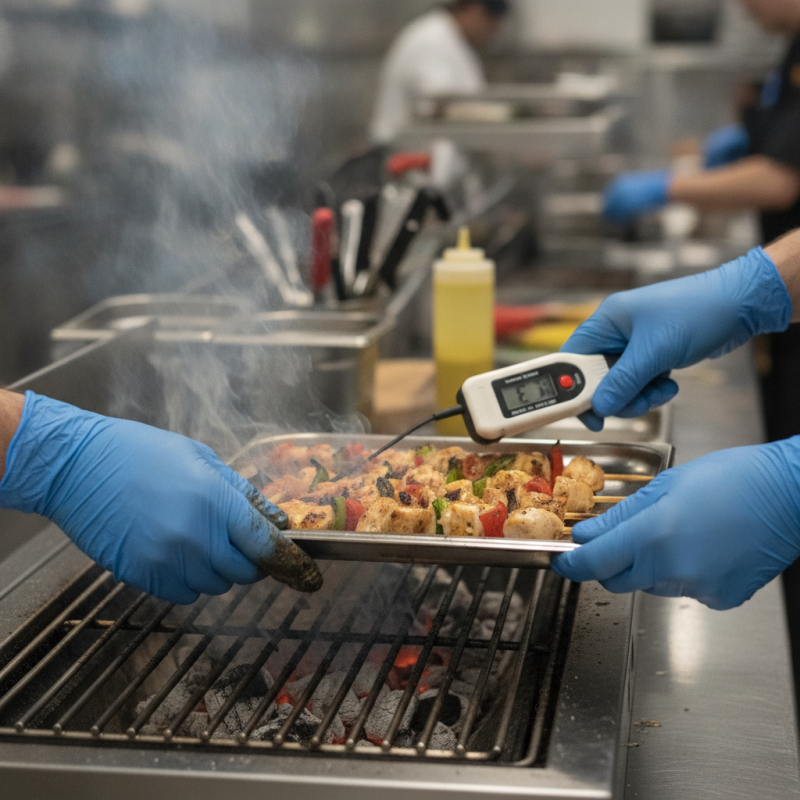
Can you use nitrile gloves for hot food handling safety?

Understanding Nitrile Gloves and Their Properties

Nitrile gloves are popular in food handling, but their effectiveness for hot food is a complex issue. Made from synthetic rubber, they offer great puncture resistance and durability. According to research from the Food Safety and Inspection Service, these gloves maintain integrity during contact with cold food but may struggle with high temperatures.

Heat can degrade nitrile, leading to potential risks. A study published in the Journal of Food Protection found that gloves can lose their protective properties when exposed to temperatures above 140°F (60°C). This can affect the safety of food handling in commercial kitchens or during events.

**Tips:** When working with hot foods, consider layering gloves or using thicker material. Regularly inspect gloves for signs of wear. Always prioritize food safety and hand hygiene practices. Over-relying on any glove type might lead to complacency, which can compromise safety. Always stay informed about the latest research on glove materials and food safety standards.

Suitability of Nitrile Gloves for Food Handling

Nitrile gloves are increasingly popular in food handling, especially in hot food environments. Their resistance to chemicals and punctures makes them a preferred choice for many food service professionals. Studies show that nitrile gloves can withstand temperatures up to 100°C, providing a reliable barrier while handling hot food. However, they are not designed for prolonged exposure to high heat. Extended contact with hot surfaces may degrade the glove material.


The safety of food handling must prioritize hygiene. According to the Food Safety and Inspection Service, wearing gloves can reduce the risk of contamination when properly used. Nitrile gloves provide a non-porous surface, preventing bacteria from transferring to food. Yet, improper use, like touching surfaces and then food without changing gloves, negates their effectiveness.


Despite their benefits, some users report discomfort during extended wear. Nitrile can feel less breathable compared to latex or vinyl. This discomfort may impact food handlers' ability to maintain hygiene standards over longer periods. The industry acknowledges these concerns, prompting ongoing research into better materials and glove designs. Balancing comfort with safety is essential for effective food handling.

Temperature Resistance of Nitrile Gloves

When handling hot foods, many professionals wonder about the effectiveness of nitrile gloves. Nitrile gloves, known for their chemical and puncture resistance, also possess some degree of temperature resistance. According to safety research, nitrile can withstand temperatures up to 149°F (65°C) for short periods. However, exposure to higher temperatures or prolonged contact may compromise their integrity.

It's essential to understand that nitrile gloves are not designed for high-heat applications. While they can provide a barrier against oil and some chemicals, they do not offer adequate insulation against heat. Industry studies suggest that sustained exposure to hot surfaces can cause nitrile to melt or degrade. This leads to potential hazards if the gloves fail during critical tasks.

**Tips:** Always perform a safety check before using gloves. Ensure that the gloves fit well and are free from defects. When handling hot foods, consider using heat-resistant materials designed for such tasks. Frequent glove changes are advisable to maintain safety and hygiene standards.

Can you use nitrile gloves for hot food handling safety? - Temperature Resistance of Nitrile Gloves

Glove Type Temperature Resistance (°C) Suitable for Hot Food Handling Recommended Uses
Nitrile Gloves -20 to 85 Limited Food prep, cleaning, low-heat handling
High-Temperature Resistant Nitrile -20 to 120 Yes Hot food handling, bakery, cooking
Vinyl Gloves -10 to 60 No Cold food handling, non-hazardous tasks
Latex Gloves -20 to 70 Limited Food prep, medical uses

Safety Regulations for Hot Food Handling

Handling hot food safely is crucial in any food service environment. Safety regulations for hot food handling emphasize the importance of using appropriate materials to prevent burns and cross-contamination. According to the Food Safety and Inspection Service (FSIS), foodborne illnesses affect about 48 million Americans each year. Keeping food safe during preparation and serving is essential in mitigating these risks.

Nitrile gloves are often recommended for food handling due to their durability and resistance to chemicals. However, their heat resistance is a debated topic. Nitrile gloves can withstand moderate temperatures but may not provide adequate protection against very hot surfaces or food. A study by the Food and Drug Administration (FDA) highlights that gloves should be checked for adherence to safety standards. Their findings show that while nitrile gloves protect against chemicals, they might not be suitable for direct contact with hot items above certain temperatures.

Additionally, many food handlers overlook the importance of proper glove usage. Frequent changes of gloves are necessary, especially after handling raw or hot food. Failing to do so can lead to cross-contamination. Training staff on the limitations of their protective gear can improve food safety. It's a reminder of the ongoing need for education in the food service industry, especially regarding the proper handling of hot foods.

Alternatives to Nitrile Gloves for High-Temperature Tasks

When it comes to handling hot food, nitrile gloves are often a go-to choice. However, they may not always provide the best protection against high temperatures. Some users have reported discomfort when working with very hot items. Nitrile tends to wear down under extreme heat. This raises a valid concern about their reliability in kitchens involving high-heat tasks.

Exploring alternatives can enhance safety. Silicone gloves are a popular option. They are heat-resistant and can withstand temperatures up to 500°F (about 260°C). Their non-slip surface makes them useful for gripping pots and pans. Another reliable choice is Kevlar gloves, which offer excellent heat resistance and durability. Both options have their pros and cons. Silicone gloves are flexible, but some may feel bulky. Kevlar gloves provide protection but can be less comfortable during prolonged use.

Ultimately, selecting the right gloves depends on your specific needs. Assess the temperature and type of food you are handling. Observing the effectiveness of your choice is key. Each alternative has unique features that might make one more suitable than another. The goal is to ensure safety while maintaining comfort in the kitchen.

FAQS

:

re nitrile gloves effective for hot food handling?

What happens to nitrile gloves at high temperatures?

Nitrile can degrade when exposed to heat above 140°F (60°C), risking safety.

How can I ensure food safety while using nitrile gloves?

Regularly inspect gloves for wear and prioritize hand hygiene while using them.

Can nitrile gloves be used for prolonged periods?

Longer wear may cause discomfort as nitrile gloves are less breathable than other options.

What should I do if I notice signs of wear on my gloves?

Replace worn gloves immediately to avoid compromising food safety and hygiene.

Are there alternatives to nitrile gloves for food handling?

Yes, latex and vinyl gloves can be considered, but they have their own pros and cons.

Is it okay to touch surfaces and then food while wearing gloves?

No, this practice can transfer bacteria and undermine the gloves' protective benefits.

What should I consider when choosing gloves for hot food?

Look for thicker materials or layer gloves, as nitrile is not intended for prolonged heat exposure.

Why is ongoing research into glove materials important?

It helps improve comfort and safety standards in food handling for better hygiene practices.

How does comfort impact the use of nitrile gloves?

Discomfort can lead to less effective hygiene practices, which is a significant concern for handlers.

Conclusion

Nitrile gloves are a popular choice for food handling due to their durability and resistance to punctures and chemicals. When considering "can you use nitrile gloves for handling hot food," it's essential to understand the temperature resistance of these gloves. While nitrile gloves can withstand moderate heat, they are not designed for prolonged exposure to high temperatures, which can lead to degradation and a potential safety hazard.

To ensure safety during hot food handling, it is crucial to adhere to safety regulations and consider alternatives for tasks that involve high temperatures. These alternatives may offer better protection against burns and heat-related risks. Always evaluate the specific needs of the task at hand to choose the most suitable gloves for food safety.

Charlotte

Charlotte

Charlotte is a seasoned marketing professional with a deep understanding of the company's portfolio and a passion for elevating its presence in the market. With a keen eye for detail and a commitment to excellence, she ensures that our professional blog is regularly updated with insightful articles......