Mahesh Medical
In the healthcare industry, the proper removal of contaminated medical gloves is essential for infection control. Dr. Sarah Thompson, a renowned infection prevention specialist, emphasizes, "Improper glove removal can lead to cross-contamination and serious health risks." Understanding how to properly remove contaminated medical gloves can ensure safety for both healthcare workers and patients.
The act of removing gloves may seem straightforward. However, the risk of contamination significantly increases when protocols are not followed. Gloves should be removed in a way that minimizes exposure to pathogens. For example, grasp the outside of one glove and pull it off, turning it inside out. This reveals the contaminated surface, preventing it from contacting your skin.
Despite knowing the technique, many still remove gloves incorrectly. This highlights a concerning gap in practice. Training and reminders are crucial in reinforcing the importance of proper glove removal. Continuous education can enhance adherence to protocols, thus improving overall safety in healthcare settings. The journey to ensuring effective infection control begins with mastering how to properly remove contaminated medical gloves.
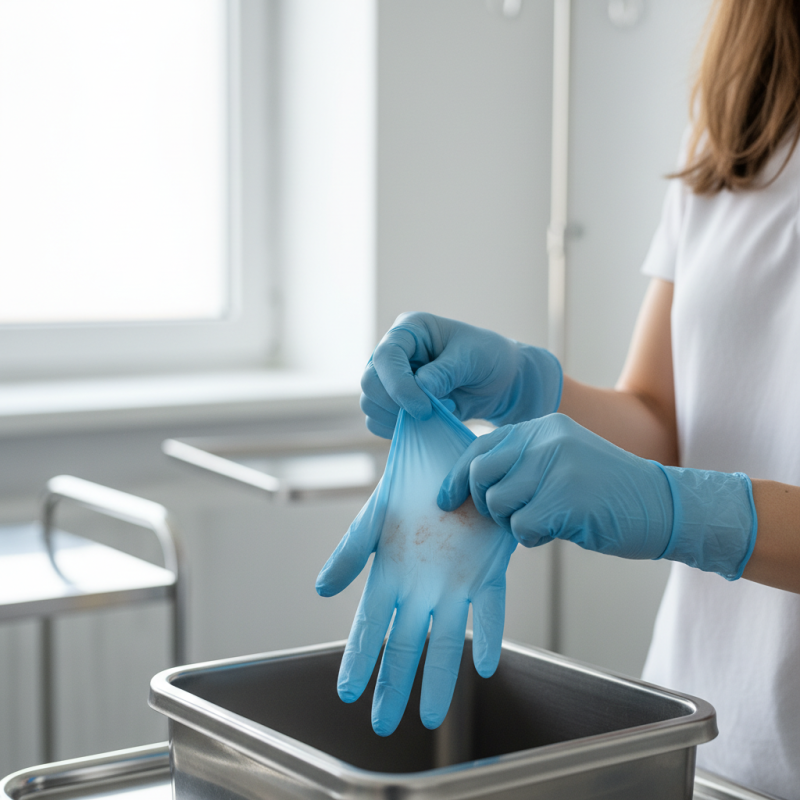
Assessing the contamination of medical gloves before removal is crucial in infection control. Begin by visually inspecting the gloves. Look for any tears, punctures, or stains. Even small imperfections can indicate potential contamination. If there is any visible compromise, handle the situation with caution. This step helps determine the risk of exposure to pathogens.
Next, carefully evaluate the tasks performed while wearing the gloves. Were they used for procedures involving bodily fluids? If so, they are likely contaminated. In high-risk environments, gloves can easily become unsterilized. It's vital to remember that just because gloves appear intact doesn’t mean they are free from contaminants.
In some cases, you may feel uncertain about the glove's cleanliness. Acknowledge that self-assessment can be challenging. This uncertainty emphasizes the importance of proper training and protocols. Use consistent practices and seek guidance if in doubt. Mistakes can happen, so having a clear understanding of protocols is key to maintaining safety.
When it comes to removing contaminated medical gloves, techniques matter greatly. Start by ensuring your hands are clean before removing the gloves.
Carefully pinch the outer surface of one glove near the wrist area. Be cautious; avoid touching your skin. Pull the glove away from your body, turning it inside out as you remove it.
Hold the removed glove in your opposite hand. With your gloved hand, slide your fingers under the wrist of the second glove. Again, avoid contact with bare skin. Pull this glove off in a similar manner, folding it inside the first glove. Dispose of both gloves in a designated biohazard waste container.
Reflecting on these processes can reveal areas for improvement. Many neglect the importance of this seemingly simple task. Rushed environments often lead to mistakes. It’s crucial to pay attention to every detail, as improper removal can lead to contamination.
Evaluate your technique regularly. Emphasizing safety helps maintain a sterile environment and protects both practitioners and patients.
Disposing of contaminated medical gloves is critical in preventing infection spread. In healthcare settings, improper disposal can increase health risks. According to a study by the World Health Organization, improper waste management causes over 25% of healthcare-associated infections. Therefore, clear guidelines are essential.
Medical facilities should use designated biohazard containers for glove disposal. These containers must be clearly marked and easily accessible. Staff training is vital. Ideally, each employee should know the correct steps. Research indicates that consistent training reduces contamination incidents significantly. For gloves that are visibly soiled, double-bagging is recommended. This practice minimizes the risk of exposure during disposal.
Yet, challenges remain. Many healthcare workers do not adhere to disposal protocols. This inconsistency stems from time pressures and insufficient training. Continuous assessment of disposal methods is necessary. Feedback from staff can identify areas for improvement. A proactive approach ensures environmental safety and protects public health.
Proper hand hygiene after medical glove removal is crucial in preventing infection. Gloves can accumulate contaminants, making it imperative to wash hands immediately. According to the World Health Organization (WHO), hand hygiene plays a significant role in reducing healthcare-associated infections by up to 50%. This statistic highlights the importance of effective practices in healthcare settings.
After removing gloves, it’s essential to follow proper handwashing techniques. Clean hands can eliminate pathogens that linger on the skin. Alcohol-based hand sanitizers can be effective, but they should not replace thorough washing with soap and water. Use sanitizers that contain at least 60% alcohol for optimal effectiveness.
Tips for safe glove removal include avoiding contact with the outside surface when removing gloves. Pinch the glove at the wrist and peel it off, turning it inside out. Dispose of contaminated gloves safely to prevent cross-contamination. It may seem straightforward, but improper disposal can lead to significant risks. After glove removal, always wash your hands or use hand sanitizer. This step is not just a recommendation, but a necessary practice to maintain a safe environment.
In healthcare settings, the proper use and disposal of medical gloves are critical. Regulatory guidelines emphasize the need for gloves to be worn during patient care to prevent contamination. However, the protocols for using gloves can sometimes be misunderstood. Many healthcare professionals rush through the disposal process, which can lead to contamination incidents.
According to the guidelines, gloves should be removed without touching the outer surface. This helps minimize the risk of pathogens spreading from the gloves to the hands or surrounding surfaces. After removing them, the gloves should be disposed of in designated waste containers. These containers should be accessible and clearly marked to avoid confusion.
Despite training, the actual practice often reveals gaps. Some individuals forget to wash their hands after glove removal, which undermines safety efforts. Others may not recognize the importance of following these guidelines consistently. Reflecting on these practices can help improve compliance and ensure safer healthcare environments.
This bar chart illustrates the recommended disposal methods for contaminated medical gloves based on regulatory guidelines in healthcare. The data highlights the effectiveness of each method in reducing contamination risks.
: Ensure your hands are clean before the removal process begins.
Pinch the outer surface near the wrist and pull the glove away without touching your skin.
Place removed gloves in a designated biohazard waste container immediately after removal.
Gloves can harbor contaminants, making immediate handwashing essential to prevent infection.
Use sanitizers containing at least 60% alcohol for optimal effectiveness, but wash with soap when possible.
Many rush the disposal process, increasing the risk of contamination incidents.
Regularly evaluate your technique to ensure you're following safety protocols correctly.
Failing to wash hands can undermine safety efforts and increase the risk of spreading pathogens.
Avoid contact with the outer surface to minimize the risk of spreading germs.
Reflecting can reveal gaps in knowledge and encourage consistent adherence to safety protocols.
Properly removing contaminated medical gloves is crucial in preventing the spread of infections in healthcare settings. The process begins with assessing the level of contamination before removal, ensuring that personnel can identify when gloves are unsafe to take off. Following this, optimal techniques for glove removal should be employed to avoid any contact with contaminated surfaces, minimizing the risk of cross-contamination.
After the gloves are removed, they must be disposed of safely according to established disposal methods to maintain a sterile environment. It is equally important to practice proper hand hygiene immediately after glove removal to further reduce the risk of infection. Adhering to regulatory guidelines regarding the use and disposal of medical gloves is essential for safeguarding both healthcare workers and patients. Understanding how to properly remove contaminated medical gloves is vital for infection control and overall health safety in medical facilities.
