Mahesh Medical Mahesh Medical

Top 10 Tips for Safe Use of Disposable Gloves How Long Can You Wear Them?

Time:2026-08-31 Author:Amelia
0%

In today's health-conscious world, the use of disposable gloves has become routine in various settings. While they offer a level of protection, it's important to understand "how long can you wear disposable gloves safely." Overusing or misusing gloves can lead to contamination or reduced effectiveness.

Many people underestimate the risks associated with prolonged glove wear. Sweaty, worn gloves can harbor bacteria. It's essential to change gloves frequently, especially when switching tasks. One might feel safe while wearing gloves, but they can become a false sense of security if used incorrectly.

Each situation is unique. The duration of safe usage varies depending on the task at hand. For instance, food preparation may require more frequent changes than handling non-hazardous materials. Being mindful of these factors ensures better protection and promotes hygiene. While gloves are a helpful barrier, awareness of their limitations is crucial for safety.
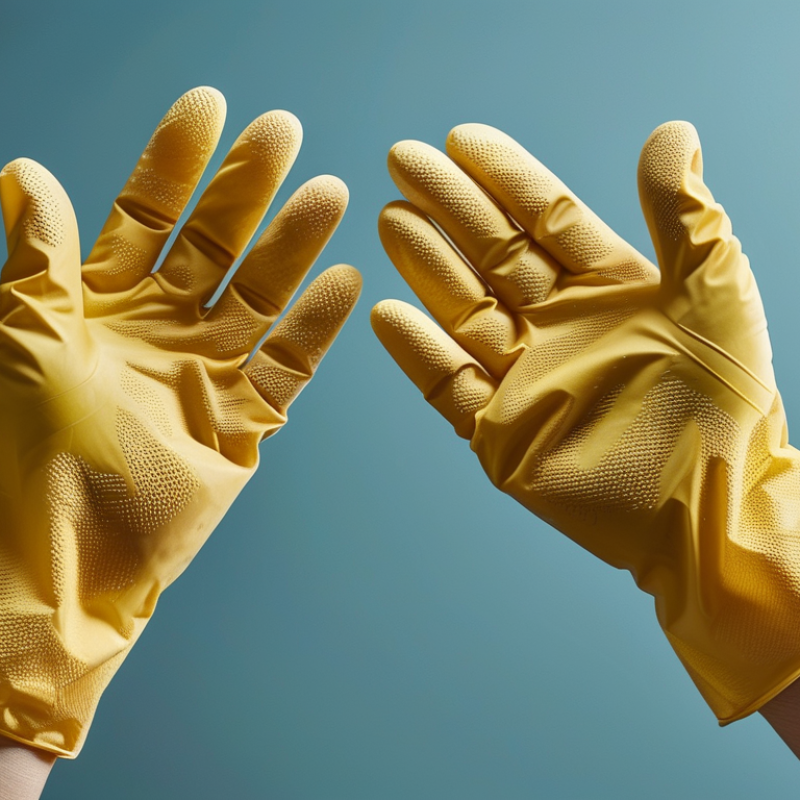
Top 10 Tips for Safe Use of Disposable Gloves How Long Can You Wear Them?

Understanding Disposable Gloves: Types and Materials

Disposable gloves are essential in various industries, impacting health and safety standards. Understanding different types of gloves and their materials is critical. Common materials include latex, nitrile, and vinyl. A report from the World Health Organization states that latex gloves provide excellent elasticity and comfort, making them ideal for medical applications. However, about 1-6% of individuals have a latex allergy, which limits their use.

Nitrile gloves are often recommended for their strong chemical resistance. A study published in the Journal of Occupational Health found that nitrile gloves offer superior durability compared to latex. They can withstand tears and punctures, which is vital in hazardous environments. Furthermore, they are often preferred in food handling due to their synthetic nature, eliminating latex allergy concerns.

Vinyl gloves are another option, generally used in less demanding tasks. While they're cost-effective, they are less durable and more prone to tearing. It's notable that a report by the American Society for Testing and Materials indicates that vinyl gloves may have a higher failure rate compared to nitrile or latex. Understanding these differences plays a crucial role in ensuring safety while using disposable gloves.

Best Practices for Wearing Disposable Gloves Safely

When using disposable gloves, it’s essential to follow best practices for safety. Wearing gloves is not a foolproof way to prevent contamination. Regularly check for any tears or punctures while wearing them. Choose the right type of glove for the task at hand. Not all gloves provide the same level of protection.

Dispose of gloves properly after use. Do not reuse them, as this increases the risk of transferring harmful germs. Make sure to wash your hands before and after wearing gloves. It seems simple, but many overlook this crucial step.

Limit the duration of wear. Extended use can lead to a buildup of moisture and bacteria inside the gloves. This might negate their protective purpose. If you notice any discomfort or excessive sweating, it’s a sign to change them. Always remember that gloves are a supplement to, not a replacement for, good hygiene practices.

Factors Influencing the Duration of Wear for Disposable Gloves

When it comes to wearing disposable gloves, several factors impact how long they can be safely used. Material plays a crucial role. Different types of gloves, such as latex, nitrile, and vinyl, have varying durability levels. For example, latex gloves may degrade faster than nitrile ones when exposed to oils or chemicals.

Another influential factor is the task at hand. If gloves are being used in high-risk environments, like healthcare settings, they may need to be changed frequently. Prolonged wear in such contexts can increase the risk of tears or contamination. Moreover, personal factors such as sweat or sensitivity to materials can diminish comfort and increase the chance of skin irritation during extended wear.

Finally, environmental conditions matter. High temperatures can reduce glove integrity, while cold can make them stiff and less protective. Being aware of these variables can help individuals use gloves effectively. Recognizing signs of wear, such as discoloration or loss of elasticity, is essential to ensure safety. Regularly checking gloves during use is a critical practice.

Signs It's Time to Change Your Disposable Gloves

When using disposable gloves, it’s crucial to know when to change them. Wear and tear can lead to contamination. Pay attention to visible damage. Rips or tears compromise the protection gloves offer. Even small holes can allow harmful substances to contact your skin. If the glove becomes discolored or stained, it’s a sign to change it.

Another indicator is time. Gloves should not be worn for extended periods. During tasks, replace them every 30 minutes, especially in high-risk environments. If you touch multiple surfaces, change gloves frequently. This helps prevent cross-contamination. The clock serves as a reminder here.

Be mindful of the glove's purpose. In medical settings, gloves should be changed after patient interaction. In food handling, change them anytime you switch tasks. Even slight contact with unclean items means you need a fresh pair. Recognizing these signs will enhance safety and maintain hygiene.

Proper Disposal Methods for Used Disposable Gloves

When using disposable gloves, proper disposal is crucial. After wearing, remove gloves carefully to avoid contamination. Hold the outside of one glove and peel it off. Then, use the inside of that glove to peel off the second glove. This method minimizes the risk of touching your skin with contaminated surfaces.

Gloves should be disposed of in a designated trash receptacle. Never flush them down the toilet, as they can cause clogs. In healthcare settings, follow specific disposal protocols. This may include placing gloves in biohazard containers if contaminated. Improper disposal can lead to health risks and environmental issues.

Everyone should remember that once gloves are removed, they might still carry pathogens. It's important to wash hands immediately after disposal. Reflect on how easy it is to forget this step, potentially compromising safety. Being aware of proper disposal methods enhances public health and safety efforts. We are all responsible for maintaining a clean environment.

FAQS

: Why should I check disposable gloves for damage while wearing them?

: Checking for tears or punctures is essential. Damage can compromise protection and lead to contamination.

How often should I wash my hands when using gloves?

Always wash your hands before and after wearing gloves. This step is often overlooked but very important.

Can I reuse disposable gloves?

No, reusing gloves increases the risk of transferring harmful germs. Always dispose of them after use.

How long can I wear disposable gloves?

Limit glove wear to 30 minutes, especially in high-risk environments. Prolonged use can cause moisture buildup.

When should I change my gloves?

Change them if you see visible damage or stains. Also, change gloves when switching tasks to prevent cross-contamination.

What is the correct way to dispose of used gloves?

Remove gloves carefully to avoid contamination. Dispose of them in designated trash, not in the toilet.

Why is it important to consider glove purpose when changing them?

Gloves should be changed according to their use, like after patient interaction in medical settings. This ensures safety.

What are the risks of improper glove disposal?

Improper disposal can lead to health risks and environmental issues. Always follow correct disposal methods.

How can moisture inside gloves affect their effectiveness?

Moisture can lead to bacteria buildup, negating the gloves' protective purpose. Change them if you feel discomfort.

What should I remember about glove safety?

Gloves are a supplement to hygiene. They are not a replacement for washing hands, which is crucial for safety.

Conclusion

The article "Top 10 Tips for Safe Use of Disposable Gloves" emphasizes the importance of understanding the different types and materials of disposable gloves to ensure safety during their use. Best practices recommend wearing gloves in appropriate situations to minimize contamination, while also addressing critical factors that influence how long you can wear disposable gloves safely. Factors such as the type of task performed, the material of the gloves, and exposure to various substances can significantly impact the duration of safe wear.

Additionally, it is crucial to recognize signs that indicate it’s time to change your disposable gloves, such as visible damage or contamination. Proper disposal methods for used gloves are also discussed, highlighting environmental responsibility and health safety. Overall, the article serves as a comprehensive guide to ensure users are well-informed about the safe usage of disposable gloves in various contexts.

Amelia

Amelia

Amelia is a seasoned marketing professional with a wealth of expertise in our company’s core offerings. With an unwavering passion for driving growth and innovation, she plays a pivotal role in shaping our marketing strategies and enhancing brand visibility. A key aspect of her responsibilities......