Mahesh Medical
Mahesh Medical
Mahesh Medical
Engineered for Superior Tactile Sensitivity, Barrier Integrity, and Strict International Compliance
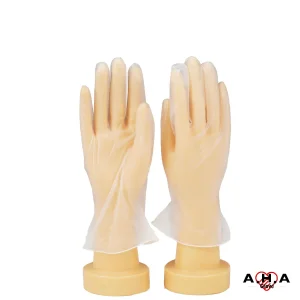

Analyzing Structural Shifts, Compliance Mandates, and Polymer Demand Cycles in B2B Personal Protective Equipment (PPE)
The global demand for high-performance hygienic and protective gloves has undergone a paradigm shift. What was once treated as a commoditized operational consumable has evolved into a highly regulated, tech-driven line of defense for critical infrastructure, healthcare ecosystems, cleanrooms, and food production chains. Modern procurement managers, medical distributors, and industrial safety directors no longer evaluate suppliers solely on unit pricing; they assess structural supply chain resilience, polymer consistency, micro-defect rates (Acceptable Quality Level - AQL), and strict adherence to regional regulatory frameworks such as US FDA 510(k), EU MDR (2017/745), and EN 374 chemical permeation standards.
At present, the global consumer market for disposable PVC, Nitrile, and Synthetic Hybrid gloves remains densely concentrated across developed economies including North America, Western Europe, Japan, and Canada. Institutional mandates across these regions require continuous worker protection and zero-cross-contamination operational protocols. However, emerging markets across LATAM, Southeast Asia, and the Middle East are accelerating their compliance standards, driving a projected compound annual growth rate (CAGR) of 7.8% across the global disposable hygienic glove market through 2030.
To navigate fluctuating monomer pricing, stringent labor regulations, and strict environmental impact assessments, global buyers require a direct manufacturing partner capable of delivering consistent polymer compounding, advanced dipping line automation, and end-to-end traceabilities. This whitepaper outlines the material science, manufacturing architecture, localized applications, and logistics strategies that establish China's production hubs as the undisputed cornerstone of the international hygienic glove market.
Comparative Evaluation of PVC, Nitrile (NBR), Natural Rubber Latex, Vinyl-Nitrile Blends, and Polyethylene
Selecting the optimal glove elastomer requires balancing chemical degradation resistance, tensile strength, tactile sensitivity, elasticity, and cost efficiency. Modern synthetic glove production relies on precise compounding formulas to achieve targeted physical properties:
| Polymer Category | Tensile Strength (MPa) | Elongation at Break (%) | Chemical & Barrier Resistance | Key Target Applications |
|---|---|---|---|---|
| Polyvinyl Chloride (PVC / Vinyl) | 10 - 15 MPa | ≥ 350% | Moderate protection against acids, alkalis, fats; zero protein allergy risk. | Routine clinical care, janitorial services, basic food service, assembly line handling. |
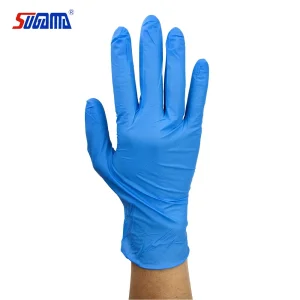
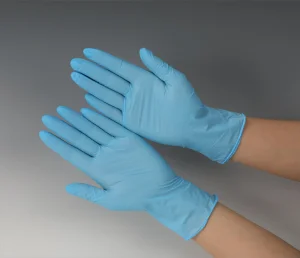
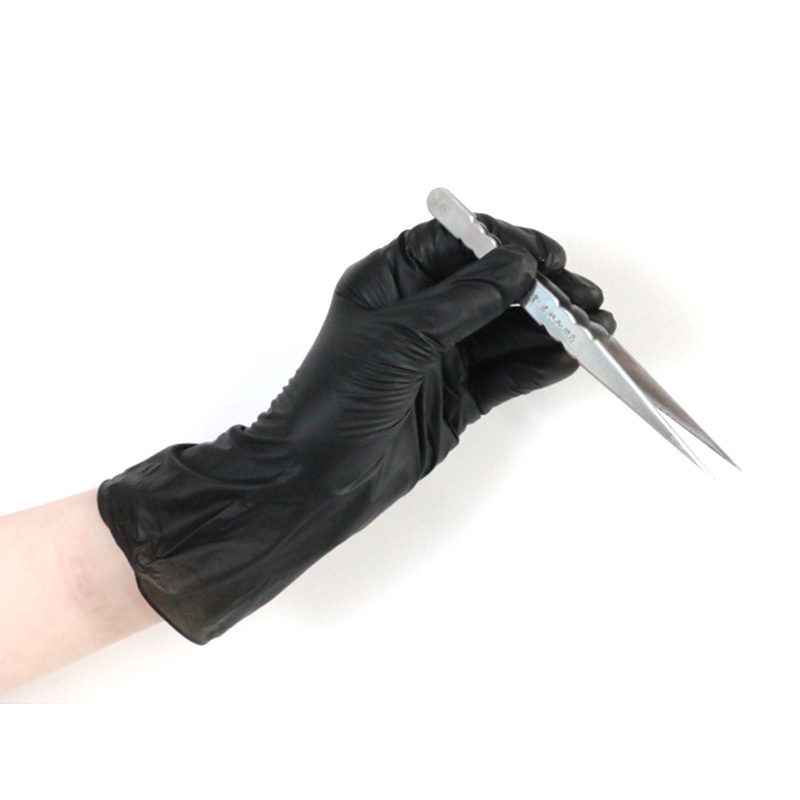
| Acrylonitrile Butadiene (Nitrile) | 18 - 28 MPa | ≥ 500% | Superior puncture, tear, oil, fuel, and broad-spectrum chemical permeation resistance. | High-risk medical examination, chemical handling, automotive refinishing, tattoo art. |
| Nitrile-Vinyl Hybrid Synthetics | 14 - 18 MPa | ≥ 400% | Enhanced durability over standard PVC with cost profile below pure Nitrile. | High-turnover medical exams, institutional sanitation, commercial food processing. |
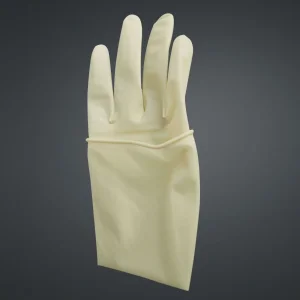
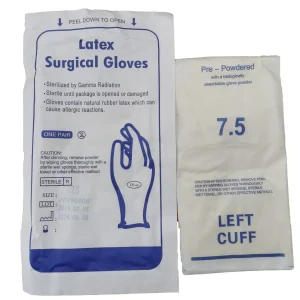
| Natural Rubber Latex (NRL) | 21 - 30 MPa | ≥ 700% | Exceptional elasticity, ergonomic flexibility, and biological fluid isolation. | Surgical interventions, critical clinical procedures, precision laboratory tasks. |
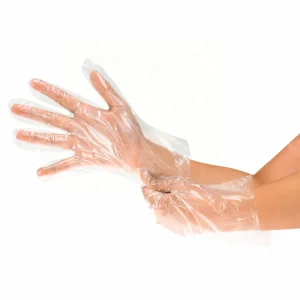
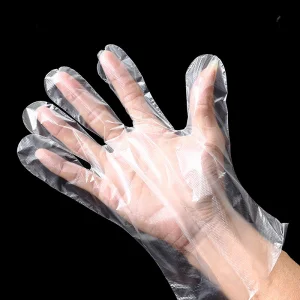
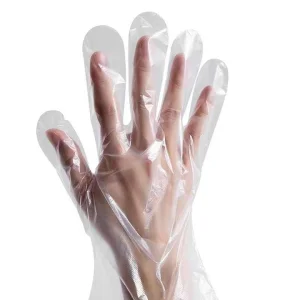
| Polyethylene (PE / LDPE) | 8 - 12 MPa | ≥ 250% | Lightweight barrier against moisture and non-hazardous particulate transfer. | Ultra-high-turnover food preparation, deli operations, light industrial packaging. |
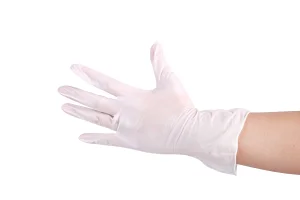
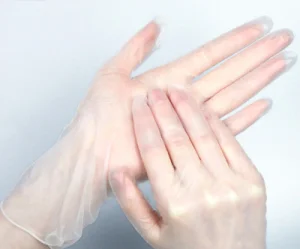
Our core manufacturing specialty, disposable PVC gloves, leverages synthetic plasticizer formulations (DOTP/DINP compliant with EU REACH standards) to achieve an optimal blend of tactile dexterity and cost-efficiency. PVC gloves possess inherent anti-static properties, making them uniquely suited for microelectronics assembly, semiconductor cleanrooms, and automated testing environments where electrostatic discharge (ESD) can damage sensitive components.
Vertical Raw Material Integration, Automated High-Speed Dipping Lines, and Strategic Port Access
Direct supply partnerships with domestic polymer, resin, and plasticizer refiners guarantee uninterrupted raw material flow, insulating partners from global commodity price spikes.
State-of-the-art continuous production lines leverage infrared heating, laser pinhole detection, and robotic stripping systems to ensure batch-to-batch uniformity and minimal human contact.
Situated within the Yangtze River Delta manufacturing cluster, direct connectivity to Shanghai and Ningbo ports enables seamless container consolidation, reduced lead times, and lower ocean freight costs.
Cross-Sector Deployment Matrices: Tailored Protective Barrier Solutions
Powder-free vinyl and medical-grade nitrile gloves deployed across hospitals, dental clinics, and diagnostic labs prevent bloodborne pathogen transfer while providing essential hypoallergenic protection for patient-care personnel.
FDA 21 CFR compliant PE and Nitrile-Vinyl hybrid gloves designed for automated poultry processing, high-volume bakeries, and retail food preparation maintain barrier resilience against animal fats and organic acids.
Anti-static PVC and cleanroom-washed nitrile gloves featuring ultra-low extractable ion counts protect sensitive silicon wafers and circuit boards from electrostatic discharge and microscopic particulate transfer.
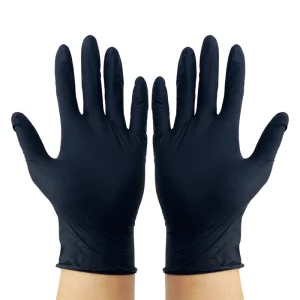
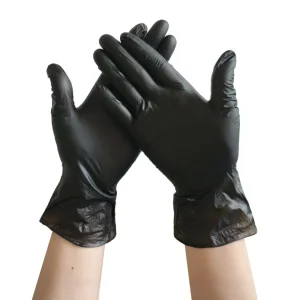
Heavy-duty, textured black nitrile gloves with elevated puncture resistance protect technicians against petroleum solvents, brake fluids, engine degreasers, and mechanical abrasions.
Pioneering Sustainable Polymers, Antimicrobial Interfaces, and Smart Manufacturing
The disposable glove industry is experiencing rapid technological evolution. Our research and development initiatives focus on three transformative pillars:
1. Eco-Biodegradability (ASTM D5511 / EN 13432): Transitioning traditional synthetic polymers to bio-assimilable formulas. Our biodegradable nitrile and Poly LDPE glove series integrate anaerobic organic additives that accelerate landfill breakdown by up to 90% within 1 to 3 years without compromising shelf life or protective barrier performance during active use.
2. Accelerator-Free Polymerization: Eliminating traditional sulfur accelerators (carbamates, thiurams, thiazoles) in nitrile production to produce pure, Type IV allergy-safe gloves specifically engineered for healthcare professionals with sensitive skin and dermatitis vulnerabilities.
3. Advanced Surface Micro-Texturing & Ergonomics: Utilizing 3D laser-etched ceramic hand molds to produce multi-directional micro-textured finishes. This enhances wet and dry grip friction coefficients, reducing hand fatigue during prolonged surgical or precision electronic operations.
A Global Standard-Bearer in Disposable Medical & Industrial PVC Glove Manufacturing
Jiangsu Mahesh Medical Co., Ltd. specializes in the research, development, production, and sales of high-quality disposable PVC gloves. As a leading player in the medical supply industry, our company is dedicated to providing innovative and reliable products that meet the stringent demands of healthcare and industrial applications.

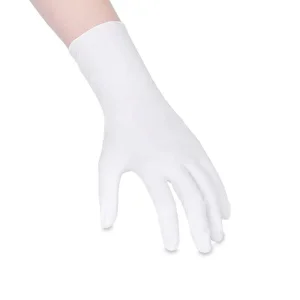
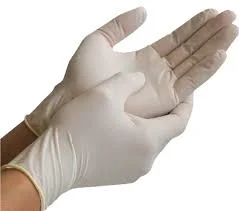
Our core product, disposable PVC gloves, is a widely used fast-moving consumer good, designed for a variety of industries such as healthcare, medical testing, laboratory work, food processing, and electronic product handling. PVC gloves are especially favored for their ease of use, excellent air permeability, comfort, resistance to acids and alkalis, effective isolation properties, and hypoallergenic qualities. These gloves also feature anti-static properties, making them ideal for environments where static control is crucial.
Compared to gloves made from other materials, PVC gloves offer a combination of comfort and affordability, which has made them a preferred choice across multiple sectors. The low cost of production combined with their robust protective capabilities makes them an indispensable tool in both routine medical and industrial tasks.
At Jiangsu Mahesh Medical Co., Ltd., we are driven by a commitment to quality and innovation. We focus on customer satisfaction, ensuring that our products meet the highest standards of performance and safety. Our research and development team is continually working to improve product design, material quality, and manufacturing processes, ensuring that we provide the best solutions to our clients.
We adhere to strict quality control processes in every stage of production, from sourcing raw materials to the final product inspection, guaranteeing the highest level of reliability and performance. We are committed to maintaining the trust of our customers and partners by delivering products that exceed expectations. We invite new and existing customers to explore our products and collaborate with us in creating safer and more efficient work environments. Together, we can contribute to the improvement of healthcare, food safety, and environmental protection.
End-to-End Automated Production Lines Operating Under ISO Standards
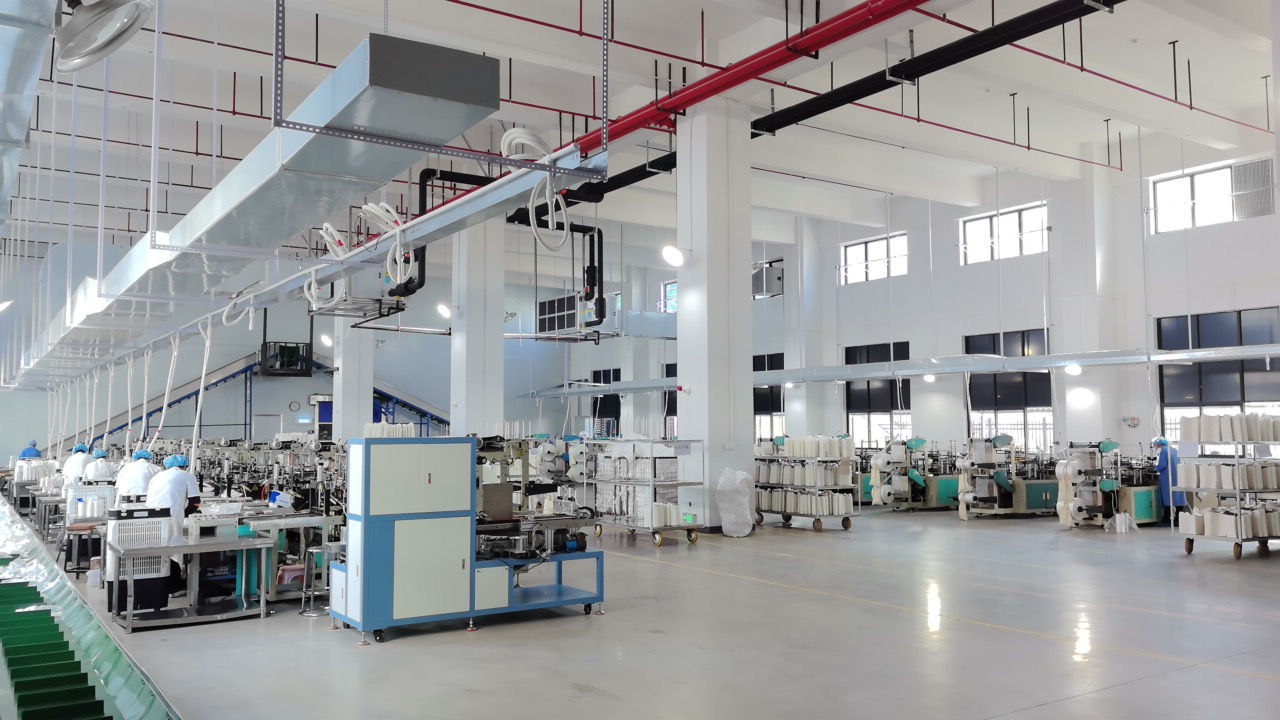 Dipping Line Architecture
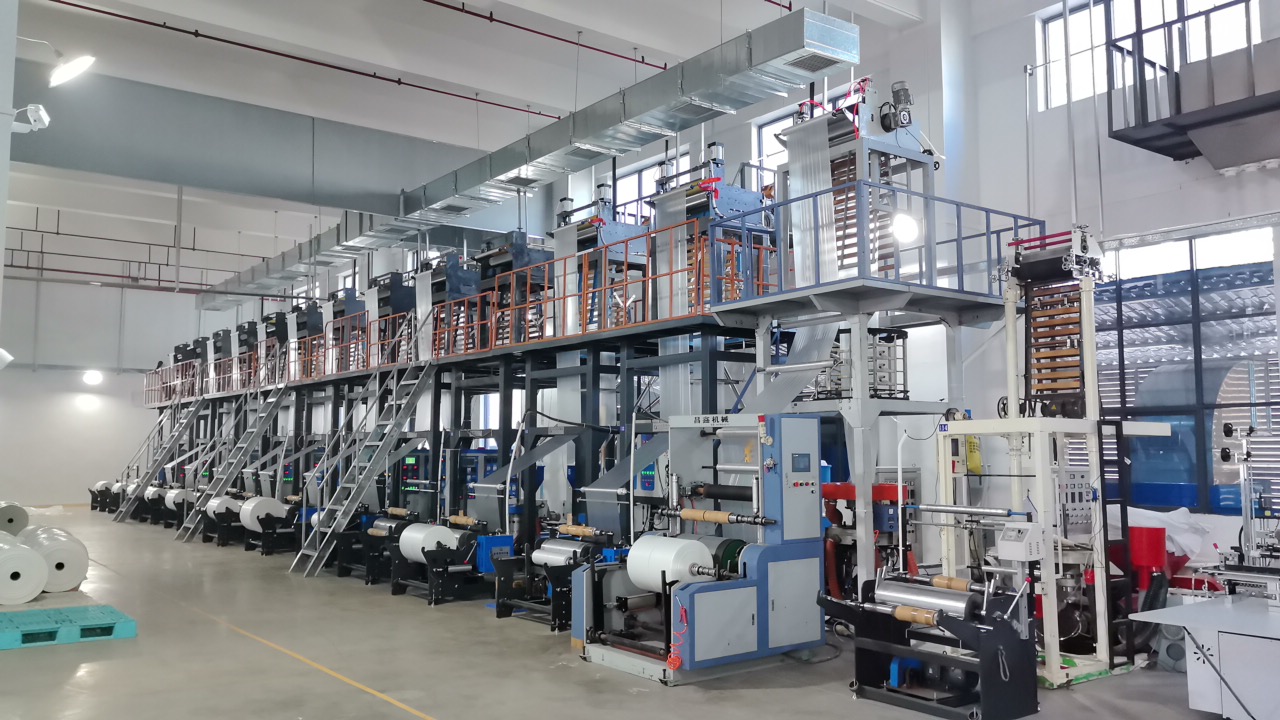 Continuous Polymer Vulcanization
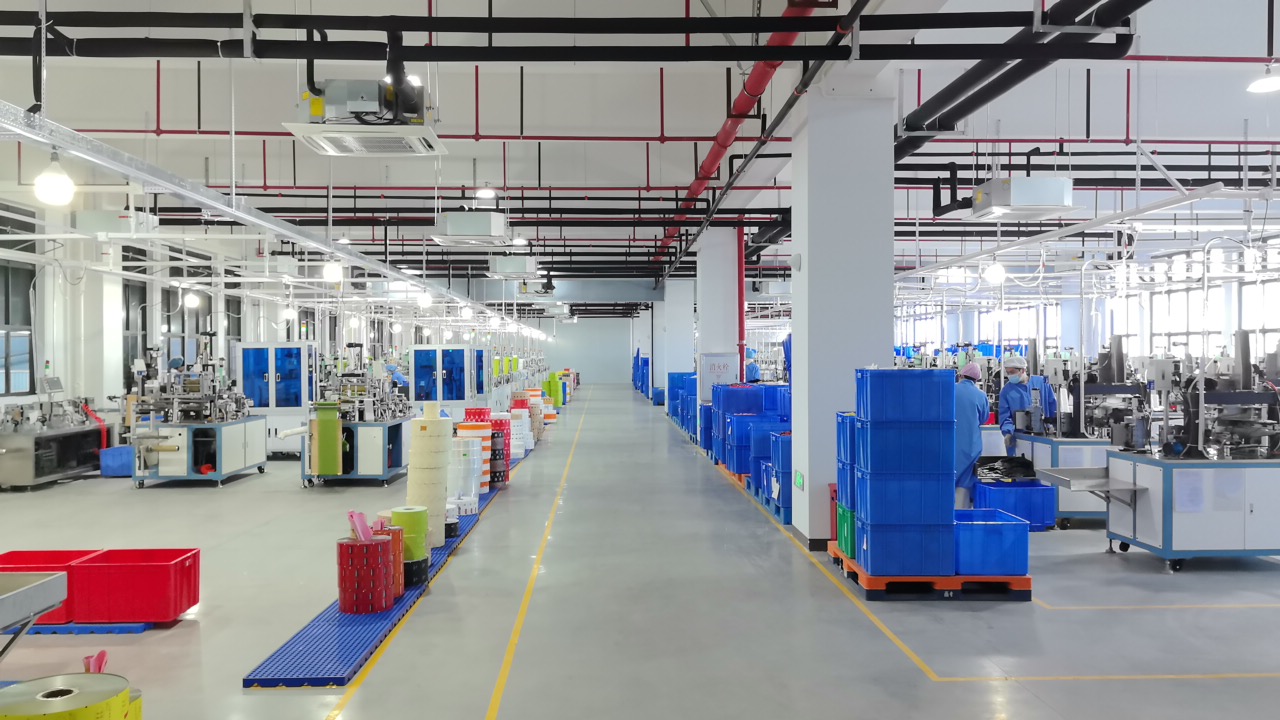 Cleanroom Environmental Controls
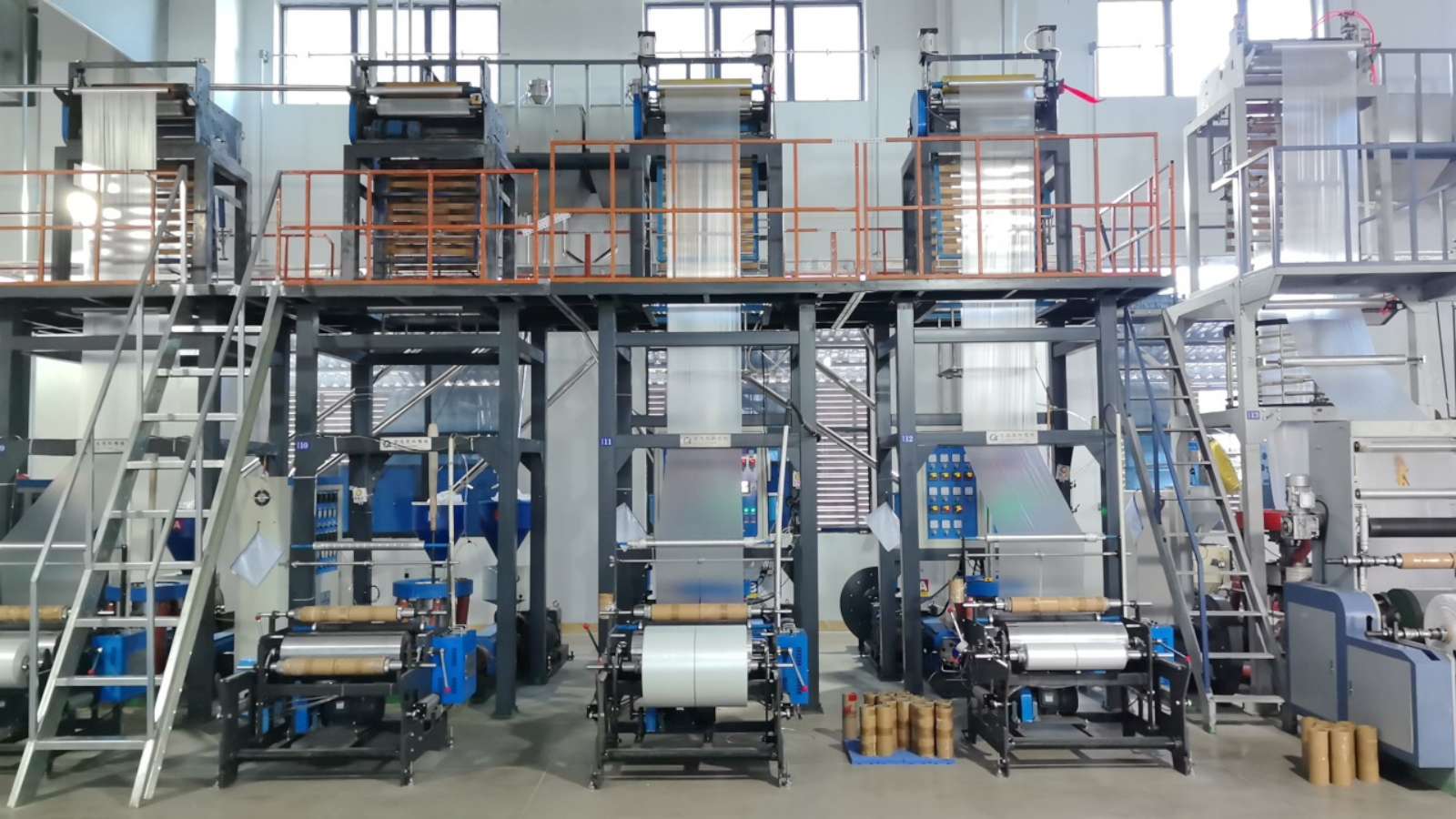 Blow Molding
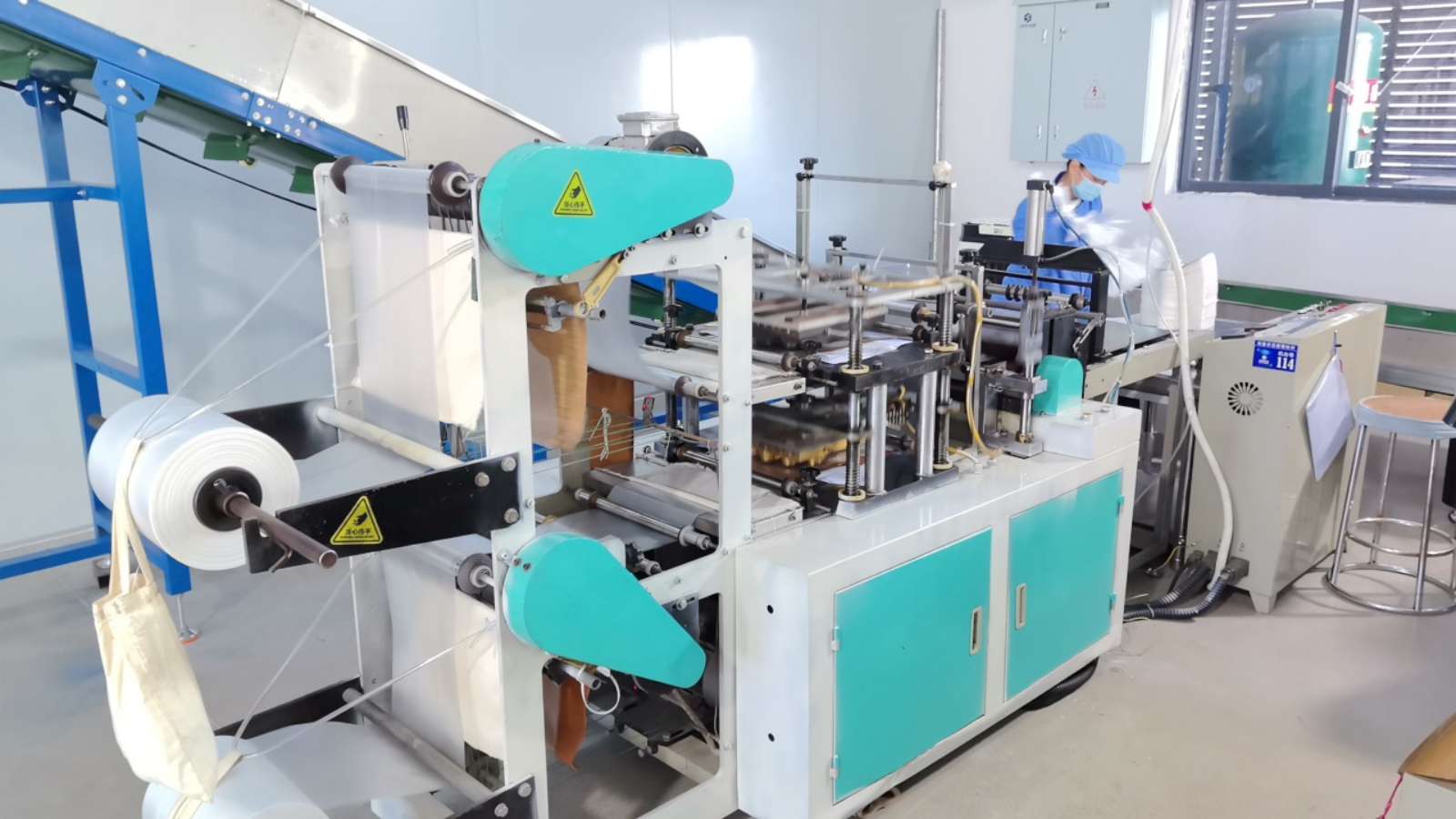 Pressure Forming
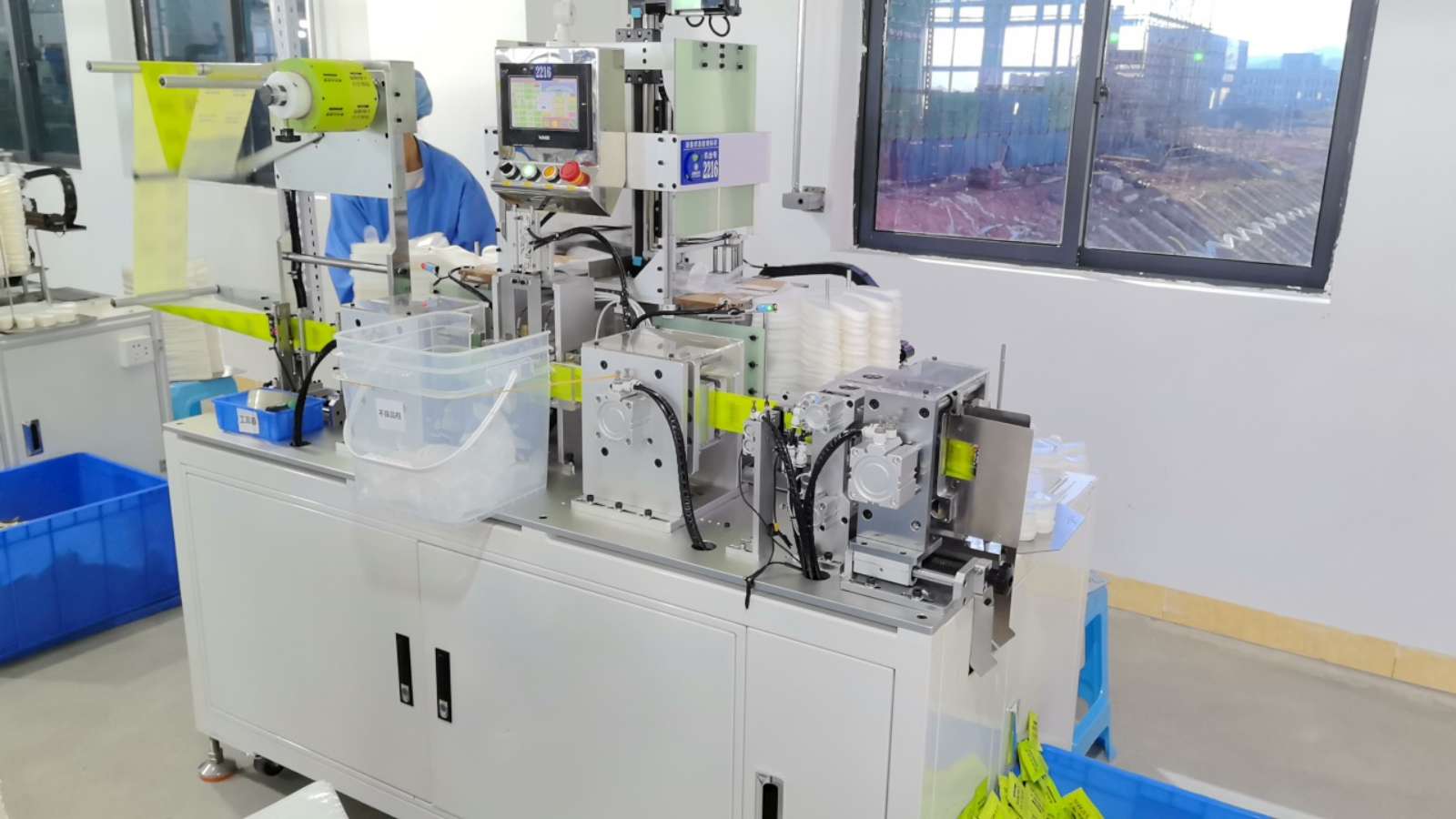 Unit Packing
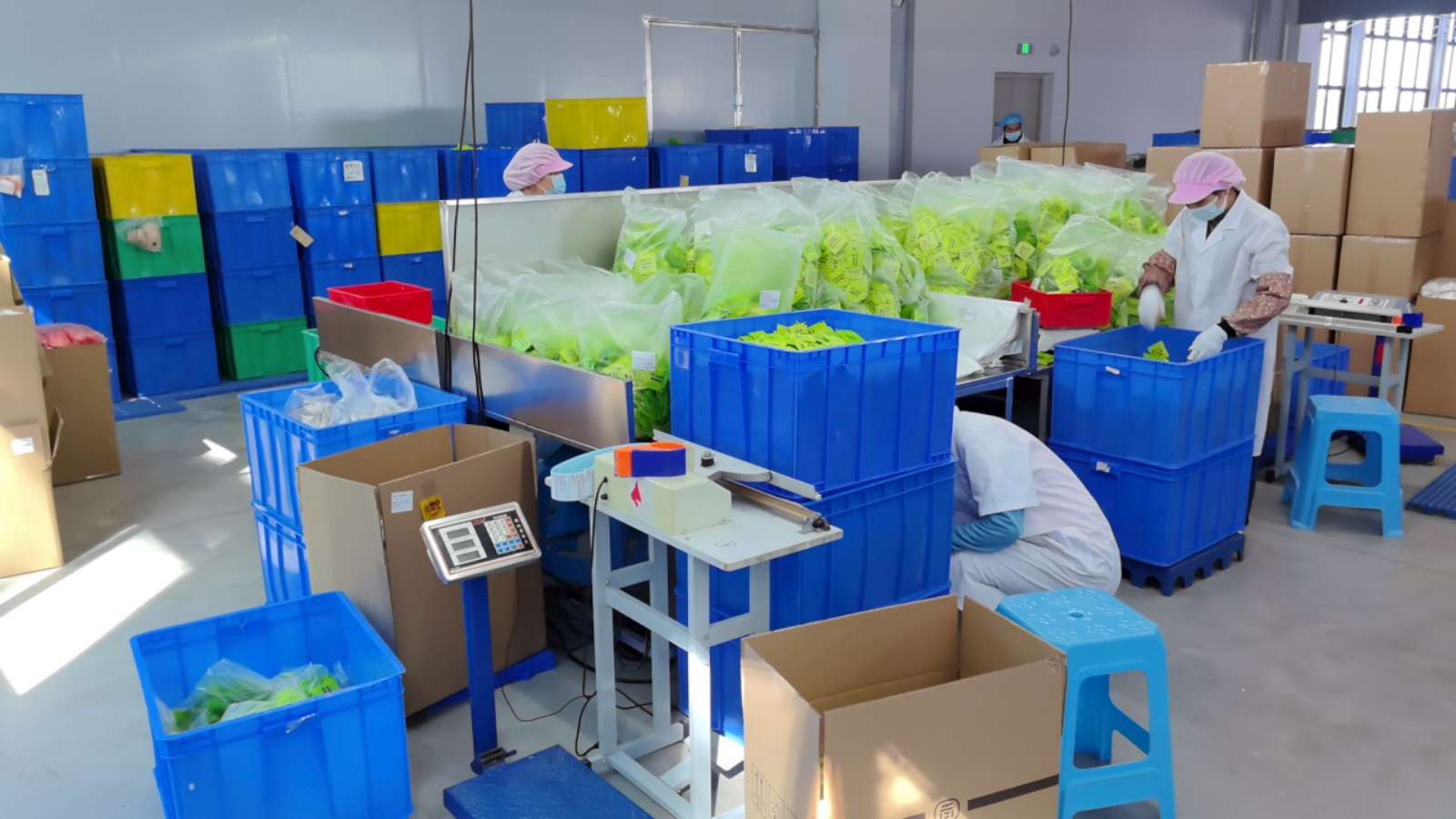 Check and Packing
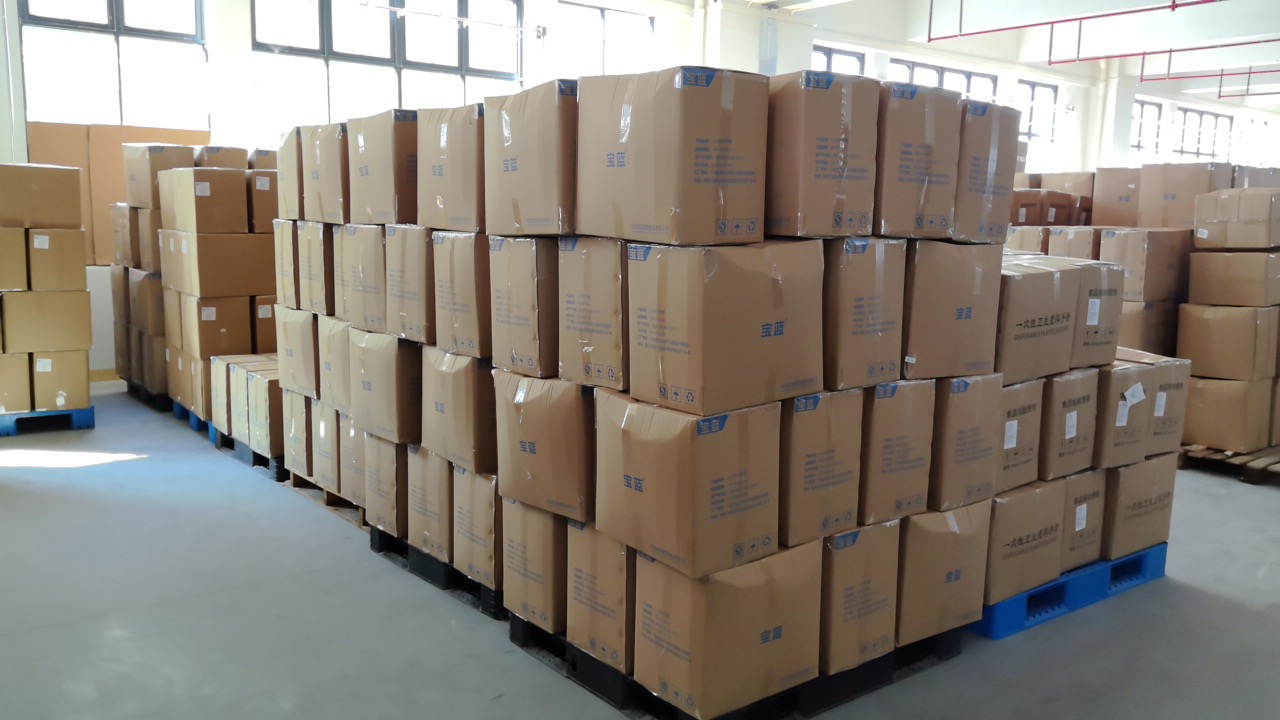 Storage & Logistics Hub
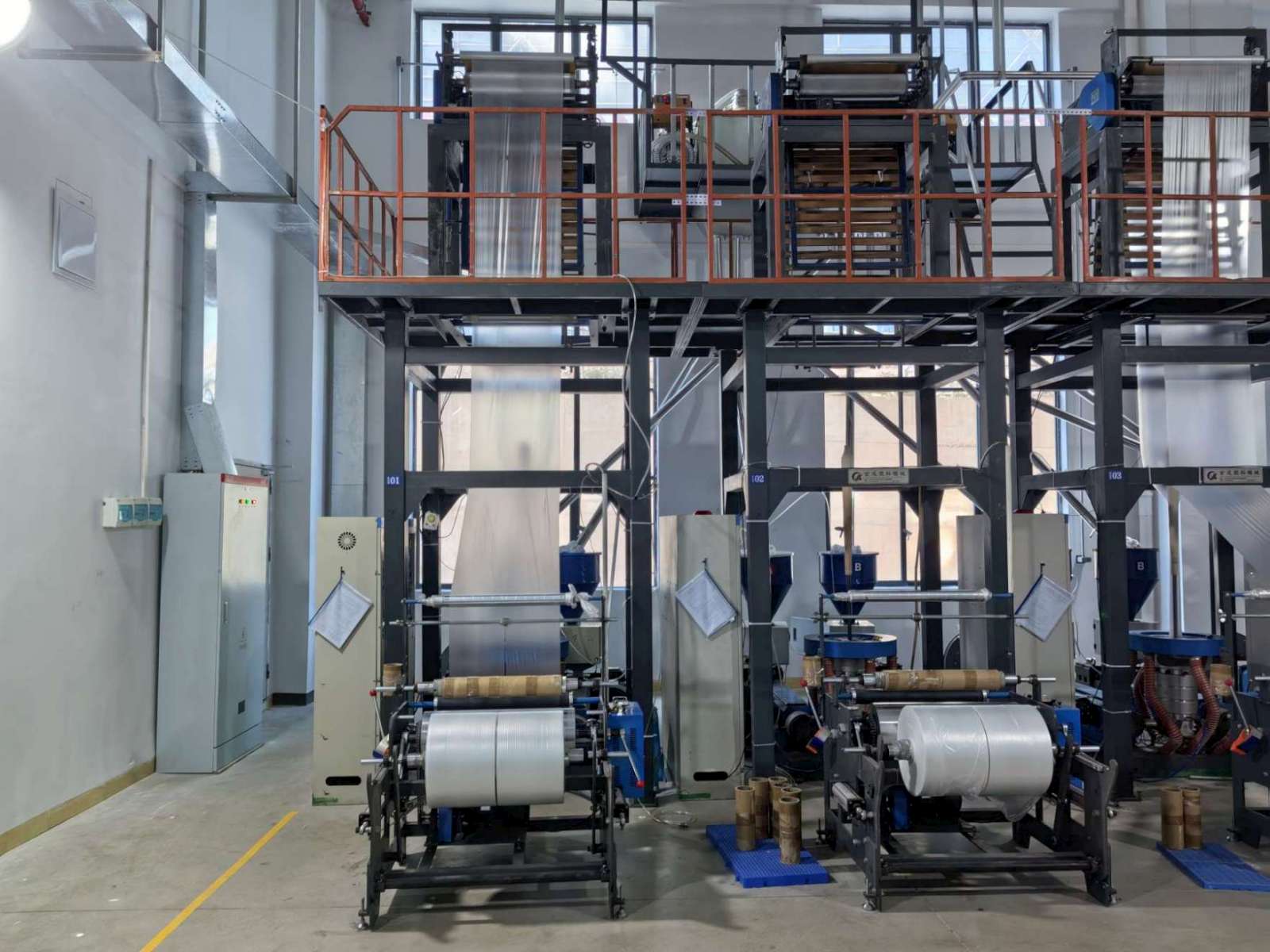 Film Blowing Machine
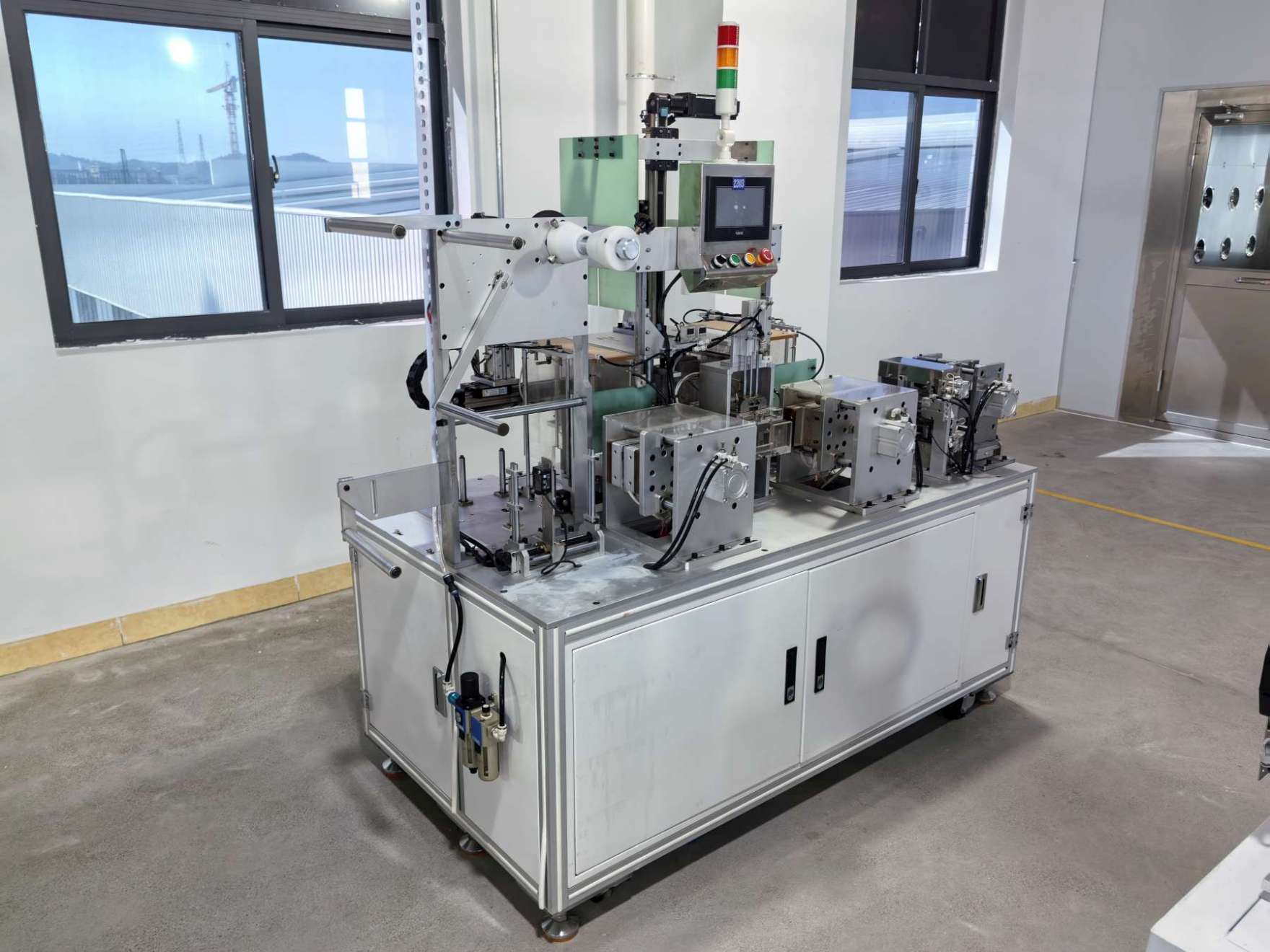 Unit Packaging Machine
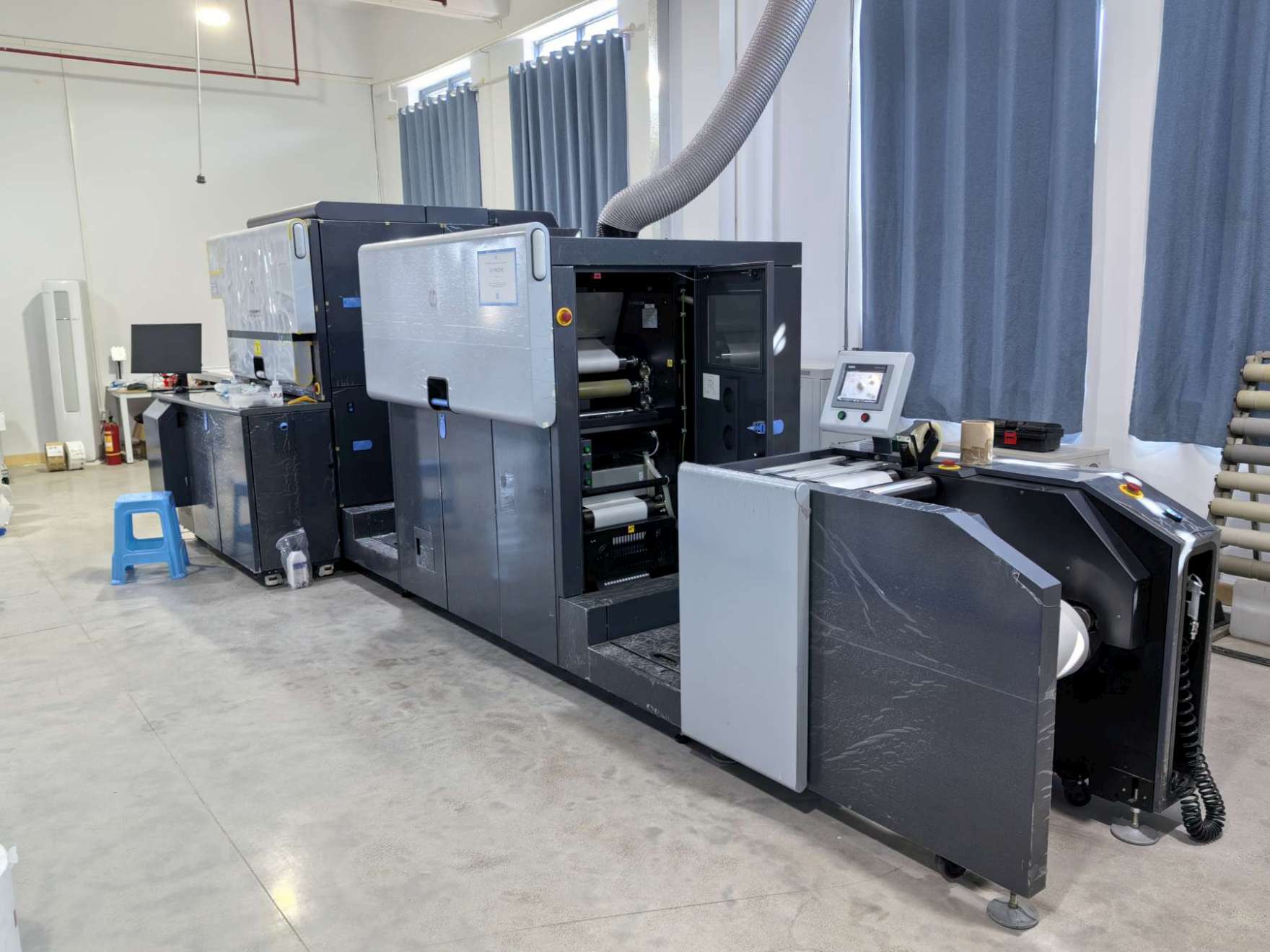 Chromatic Inspection Machine
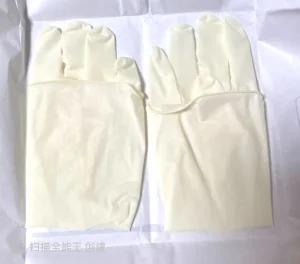
Certified Solutions Engineered for High Chemical Permeation and Surgical-Grade Barrier Requirements
Multi-Tiered Verification Ensuring Risk Mitigation for Overseas Importers
Overseas buyers face continuous legal and operational risks regarding product liability and regulatory compliance. Our factory operates under an end-to-end Quality Management System (QMS) aligned with global healthcare standards:
| Regulatory Body / Standard | Compliance Scope | Quality Testing Protocol |
|---|---|---|
| US FDA 510(k) & 21 CFR 177 | Class I/II Medical Device clearance & Food Contact Safety compliance. | Pinhole water-tightness test (ASTM D5151), dimensions, and biocompatibility evaluation. |
| EU MDR (2017/745) & CE Class I | European conformity certification for medical examination and surgical devices. | EN 455 Parts 1, 2, 3, & 4 (Freedom from holes, physical properties, biological evaluation). |
| PPE Regulation (EU) 2016/425 | Category III Complex Risk Personal Protective Equipment. | EN ISO 374-1 chemical permeation rates & EN ISO 374-5 micro-organism/viral barrier resistance. |
| ISO 13485:2016 Certification | Comprehensive medical device design and manufacturing quality system. | Continuous batch audit, FTIR material spectrography, automated inline optical inspection. |
Direct Expert Clarifications on Procurement, Polymer Selection, and OEM Customization