 Mahesh Medical
Mahesh Medical
Mahesh Medical
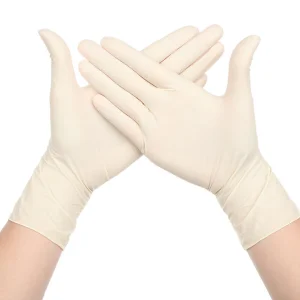
Premium medical grade latex gloves certified for clinical excellence and robust barrier defense.


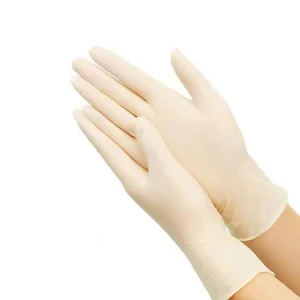
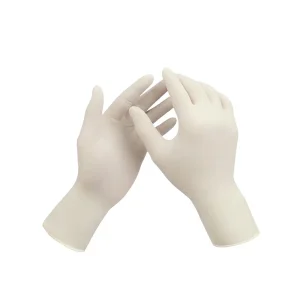
Analyzing localized application sectors, epidemiological trends, and logistical pathways within the Southern African Customs Union (SACU)
Executive Summary: As a landlocked enclave within South Africa, the Kingdom of Lesotho faces unique healthcare logistics and supply chain dynamics. Sourcing protective equipment like latex examination gloves requires compliance with Southern African Development Community (SADC) standards, SACU customs rules, and international certifications. Local clinical providers, regional laboratories, and high-altitude mining networks rely on dependable glove imports to maintain bio-barrier integrity.
Lesotho's healthcare sector is governed by the Ministry of Health and supported significantly by organizations like the Christian Health Association of Lesotho (CHAL), which manages roughly 40% of health facilities, particularly in remote mountainous regions. Major healthcare hubs, such as the Queen 'Mamohato Memorial Hospital in Maseru and regional facilities in Mafeteng, Leribe, and Mohale's Hoek, process thousands of patients daily. These centers have a continuous demand for premium, powder-free latex examination gloves to minimize cross-contamination.
Given the high regional incidence of infectious diseases, including tuberculosis and HIV, barrier protection in clinical environments is a high priority. High-grade latex examination gloves, compliant with ISO 13485 and EN 455 standards, provide the necessary tactile sensitivity and tear resistance needed for patient examinations, blood drawing, and laboratory testing.
Beyond traditional medical applications, Lesotho's diamond mining industry—led by operations like the Letšeng Diamond Mine, Kao Mine, and Liqhobong Mine—generates specialized protective demands. Workers in sorting rooms, geological processing labs, and equipment maintenance facilities require reliable hand protection. Latex gloves, with their natural elasticity and resistance to mild acids and water-based chemicals, provide an effective barrier for technicians processing geological samples and handling cleanroom sorting instruments.
| Sector of Application | Key Environmental Challenge | Recommended Glove Type | Target Certifications |
|---|---|---|---|
| Maseru Clinical & ER Facilities | Cross-contamination and exposure to biological fluids. | Powder-free Sterile Latex / High-Grip Latex | ISO 13485, EN 455 Parts 1-4, CE |
| Highland Diamond Laboratories | Precision handling, contact with chemical reagents. | High-tensile Latex or Industrial Nitrile | ASTM D3578, EN 374 (Chemical Risk) |
| Agro-Processing & Mohair Production | Contact with animal dander, organic oils, and contaminants. | Disposable PVC / Powder-free Latex Exam Gloves | FDA Food Contact, CE Food Grade |
| Rural Clinic Mobile Units (CHAL) | Logistical wear, fluctuating temperatures during transit. | Extra-thickness Non-sterile Latex (Powder-Free) | ASTM D3578, ISO 9001 |
Understanding how automation, raw material sourcing, and scale drive cost-effectiveness for international procurement.
The global latex glove supply chain relies on natural rubber latex harvested primarily from Southeast Asia (Malaysia, Thailand, Vietnam). Historically, global supply has fluctuated due to weather patterns and regional labor availability. To address these market challenges, Chinese manufacturing facilities like Jiangsu Mahesh Medical Co., Ltd. have integrated advanced manufacturing lines that combine raw material sourcing with automated dip-molding technologies.
By optimizing production speeds, thermal curing processes, and automated quality control, Chinese factories maintain stable production volumes. This helps buffer global buyers, including those in Southern Africa, from market shortages and sudden price hikes.
Natural rubber latex remains the industry standard for tactile sensitivity and elasticity. The physical structure of natural rubber polyisoprene provides high tensile strength (often exceeding 18 MPa before aging) and elongation (typically over 650%). This makes latex highly resistant to punctures during delicate surgical procedures and prolonged clinical examinations.
For modern clinical environments, chemical leaching processes are used to reduce water-soluble protein content to less than 50 micrograms per gram. This step helps mitigate Type I allergic reactions, allowing healthcare professionals in Lesotho to work comfortably during long shifts.
A trusted global supplier of disposable medical and protective gloves, delivering verified compliance and consistent quality.
Jiangsu Mahesh Medical Co., Ltd. specializes in the research, development, production, and sales of high-quality disposable protective and medical gloves. As a reliable provider in the medical supply industry, we are dedicated to manufacturing products that meet the stringent demands of healthcare and industrial applications worldwide.
Our core product offerings include disposable PVC gloves and premium disposable medical latex and nitrile gloves. These products are widely used across diverse sectors such as healthcare, clinical testing, laboratories, food processing, and electronic components handling. Known for comfort, elasticity, and barrier performance, our gloves provide solid protection in cleanroom, laboratory, and high-infection environments.
By implementing strict quality control from raw material sourcing to packaging, we verify compliance with global safety frameworks, including CE and ISO standards. We focus on customer satisfaction, assisting procurement officers in Lesotho, South Africa, and internationally in securing reliable protective equipment.

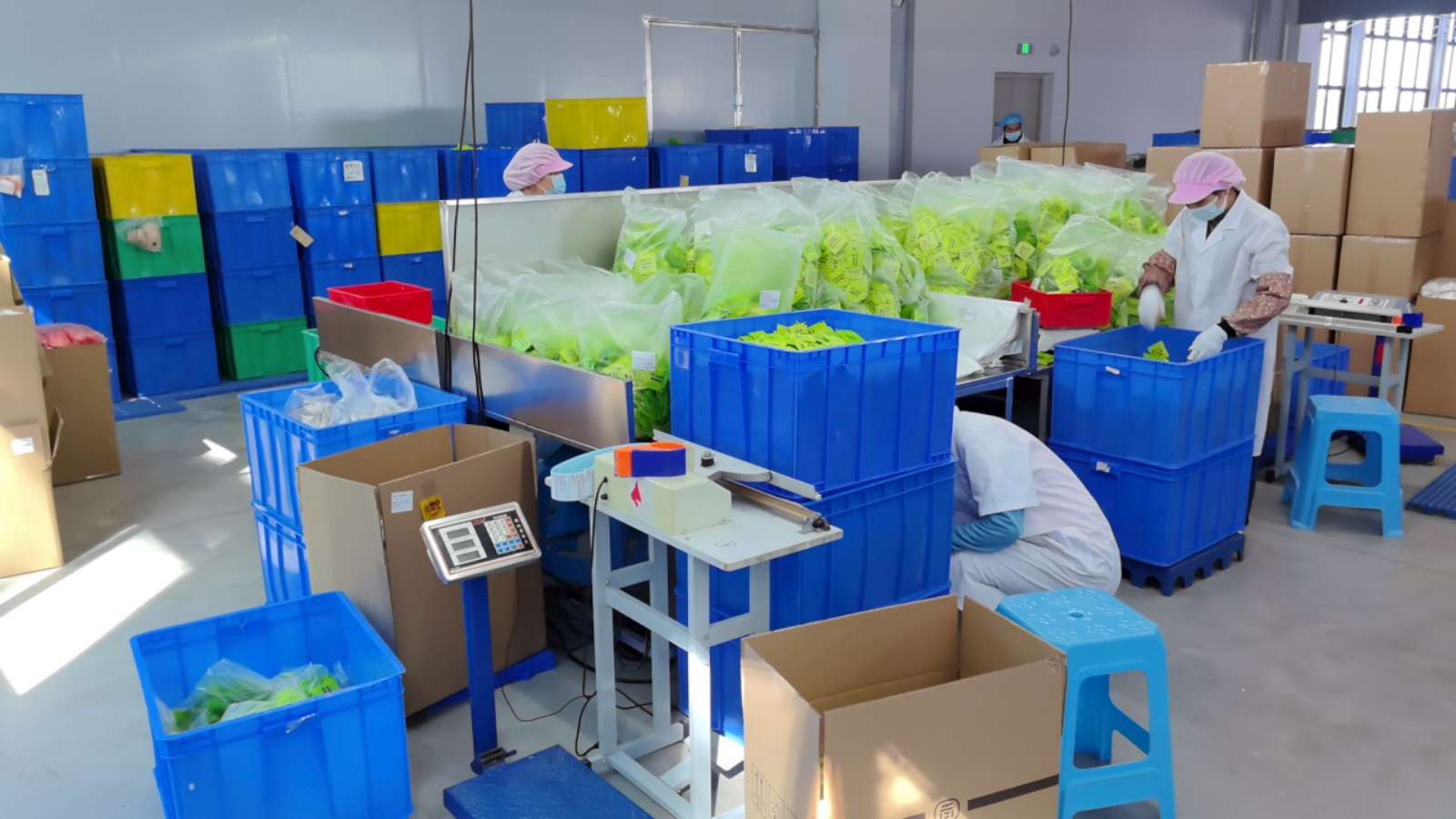
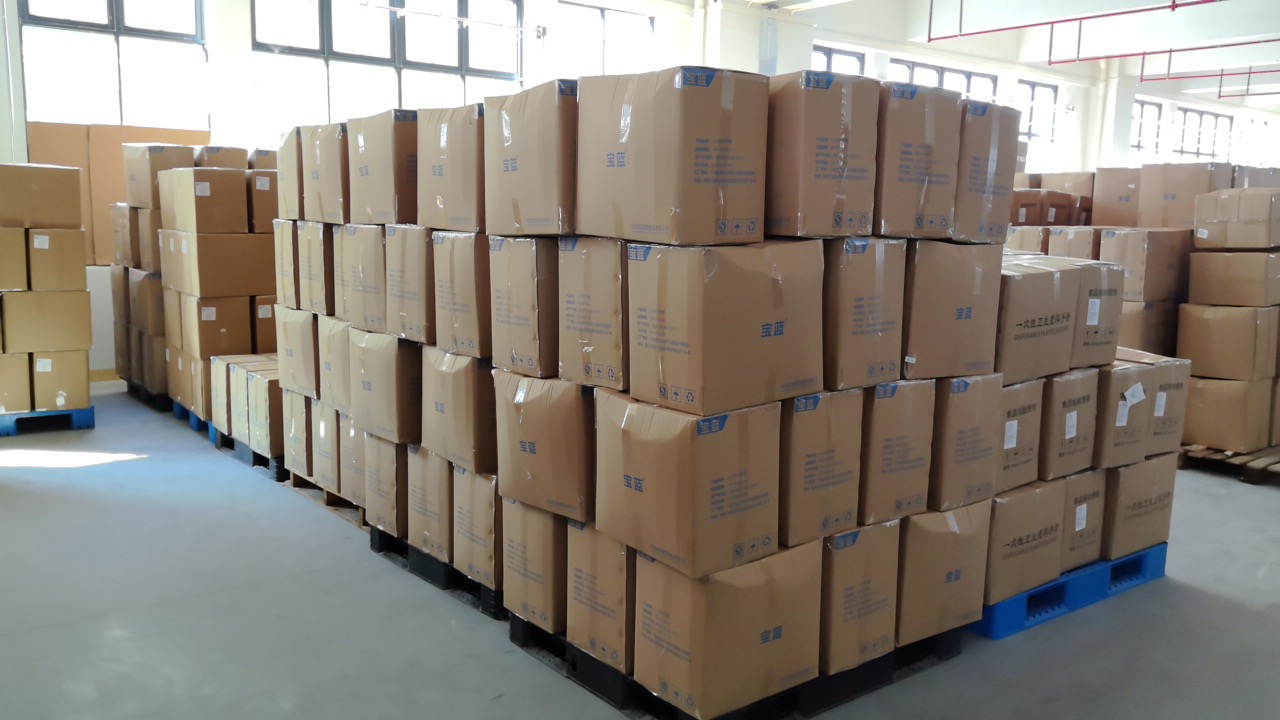
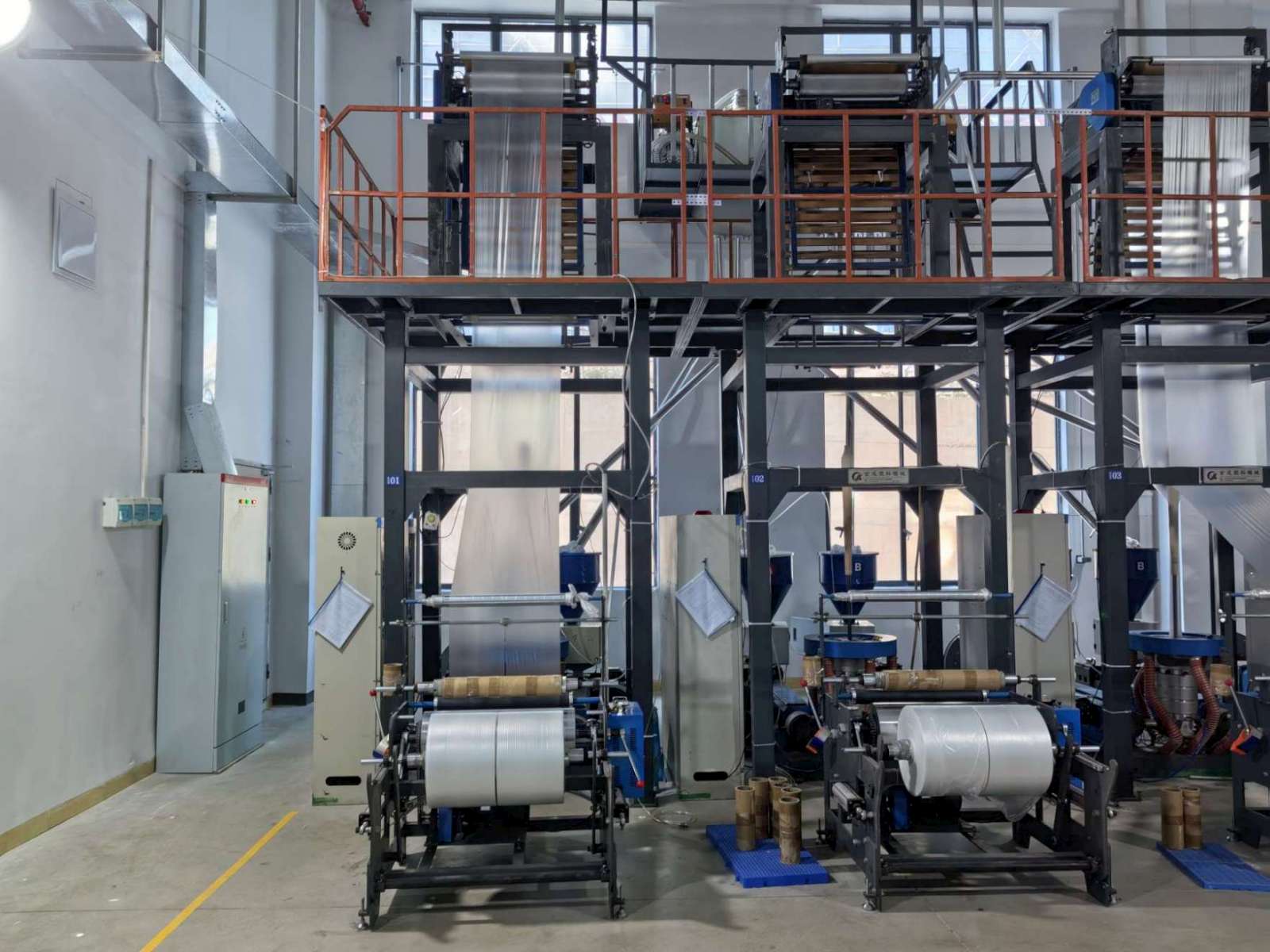
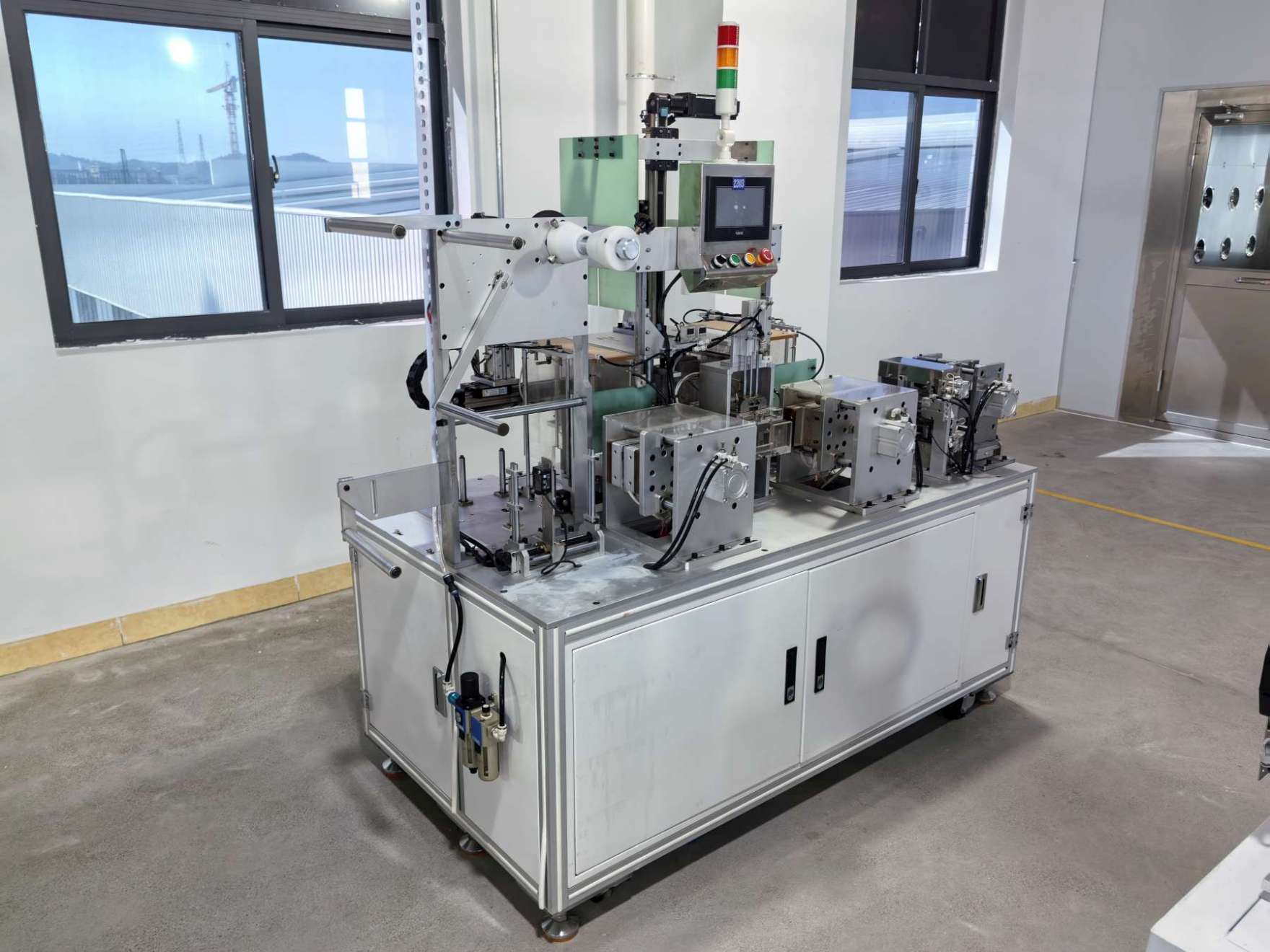
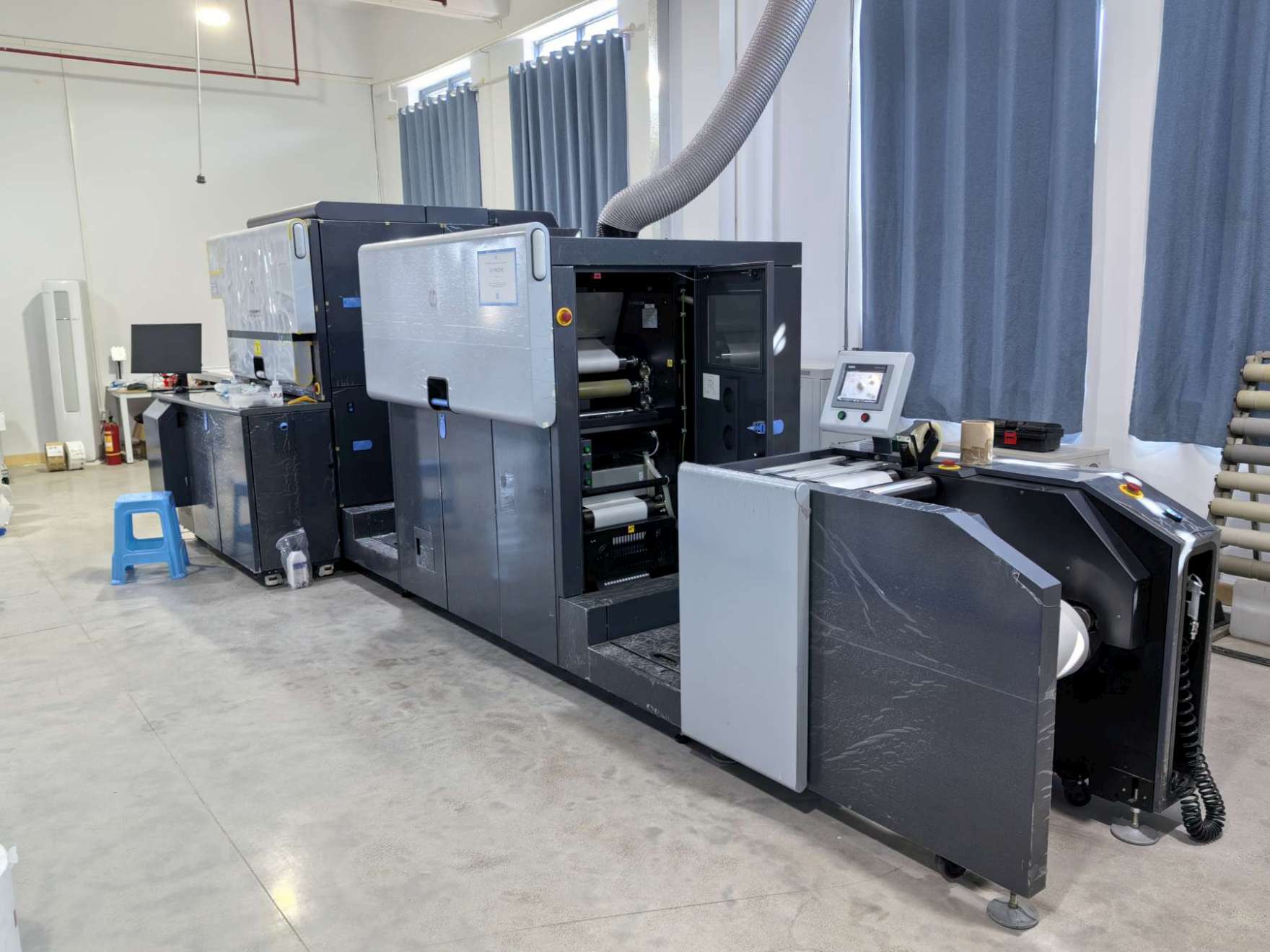
To maintain consistent quality, our factories run standardized processing stages. These lines ensure uniform thickness, reliable tensile strength, and clean packaging. Below is an overview of the typical stages in our glove manufacturing and packaging facility:
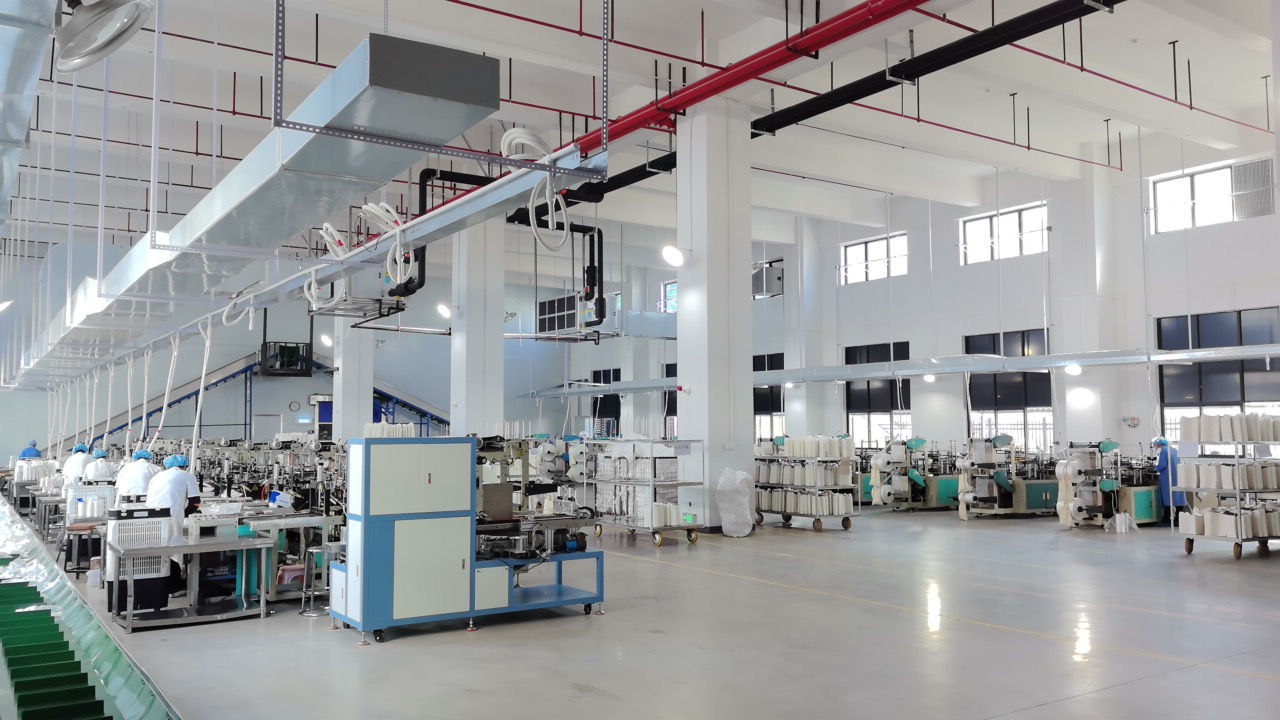
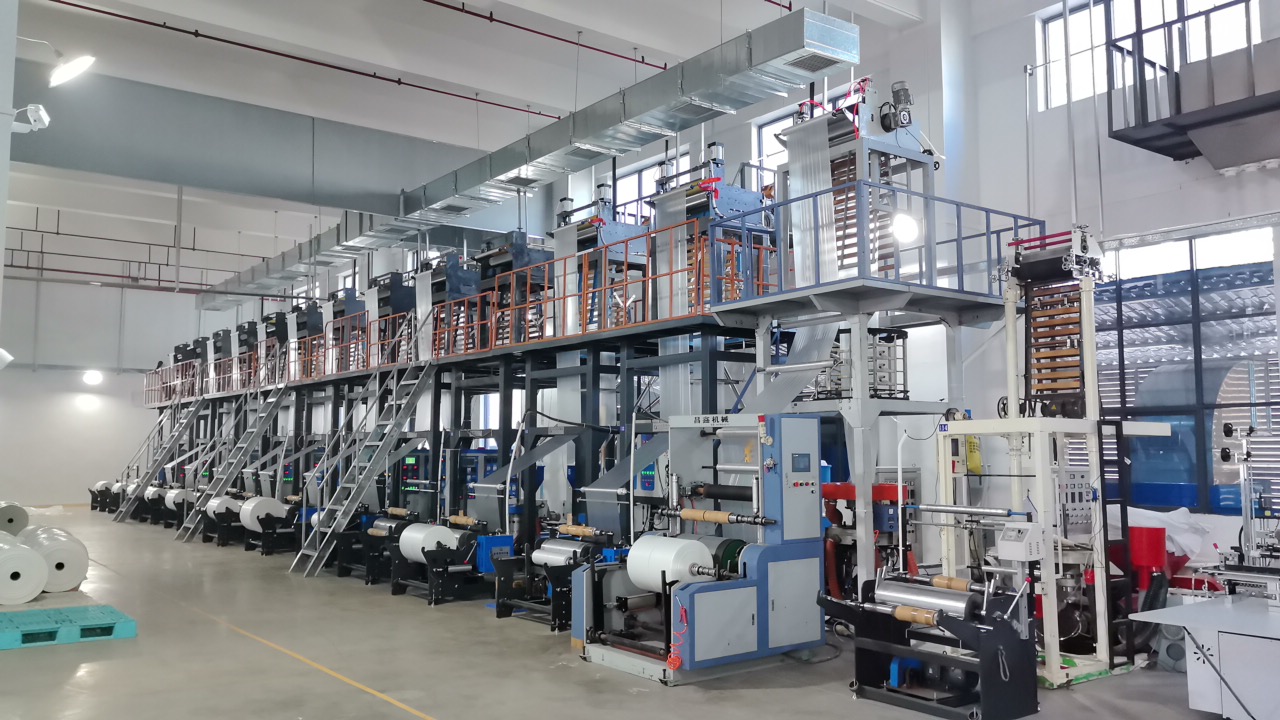
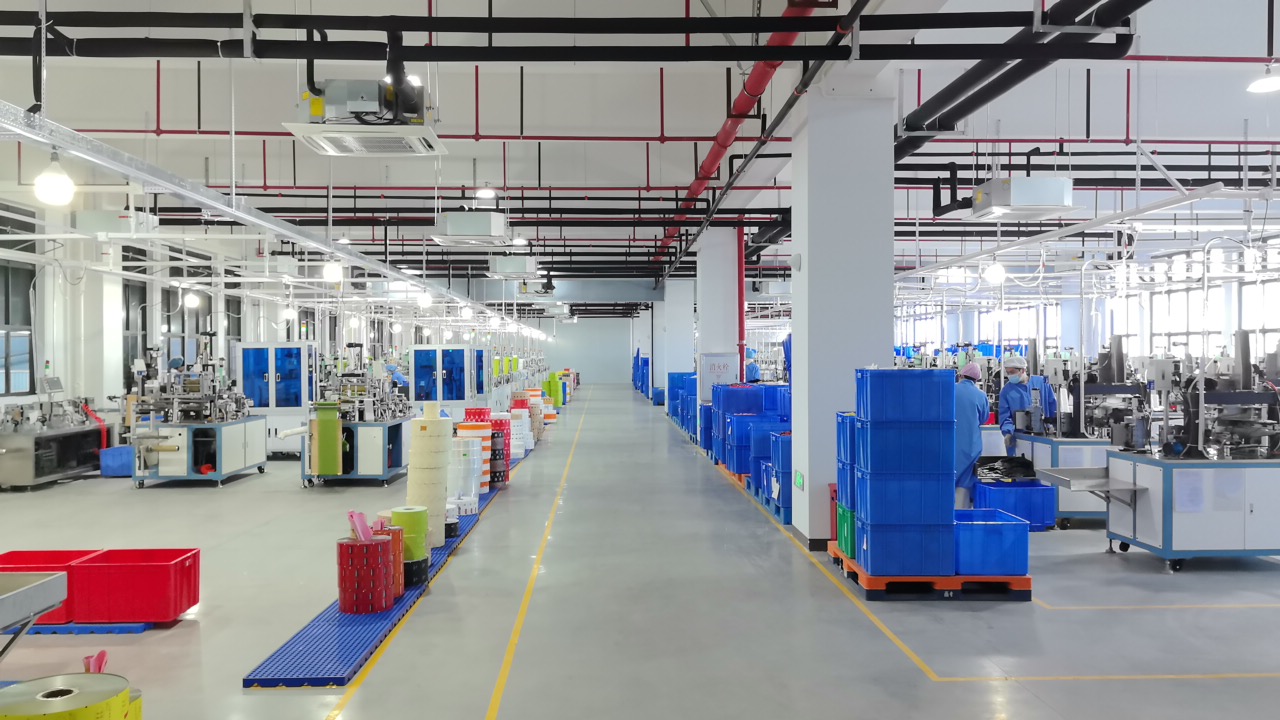
We deploy precise forming and packaging machinery to minimize manual handling and reduce potential contamination risks before final delivery.
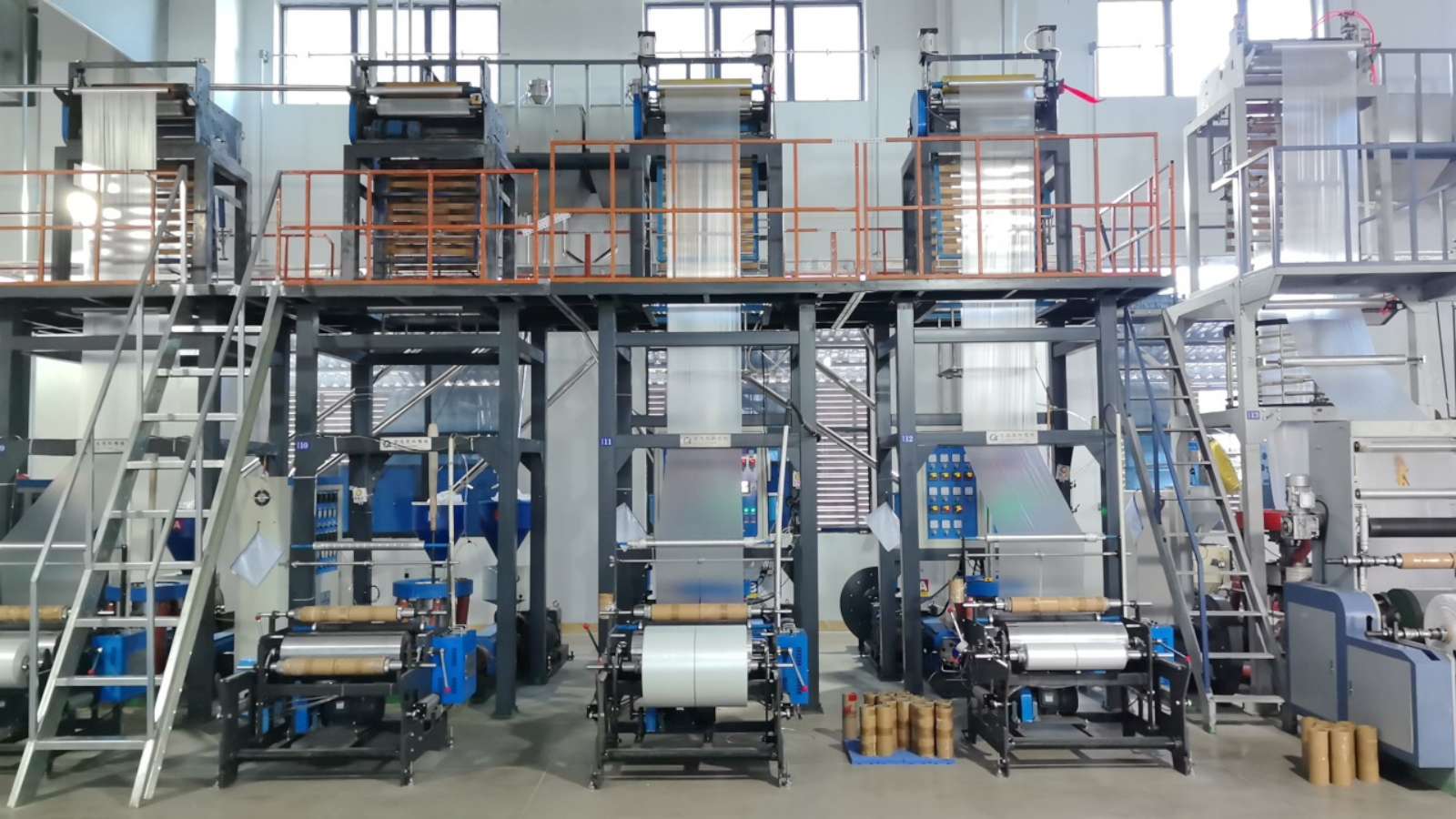
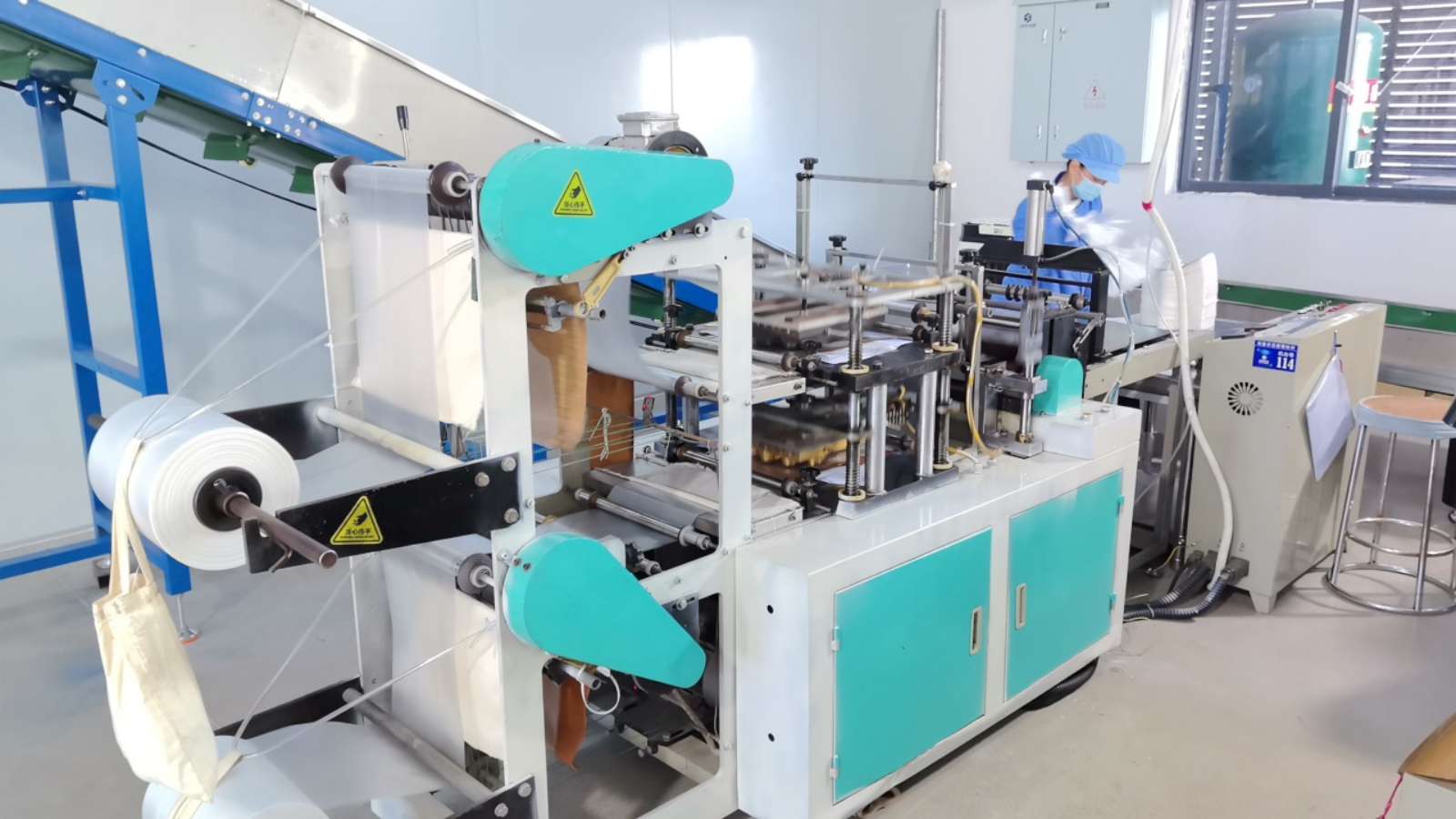
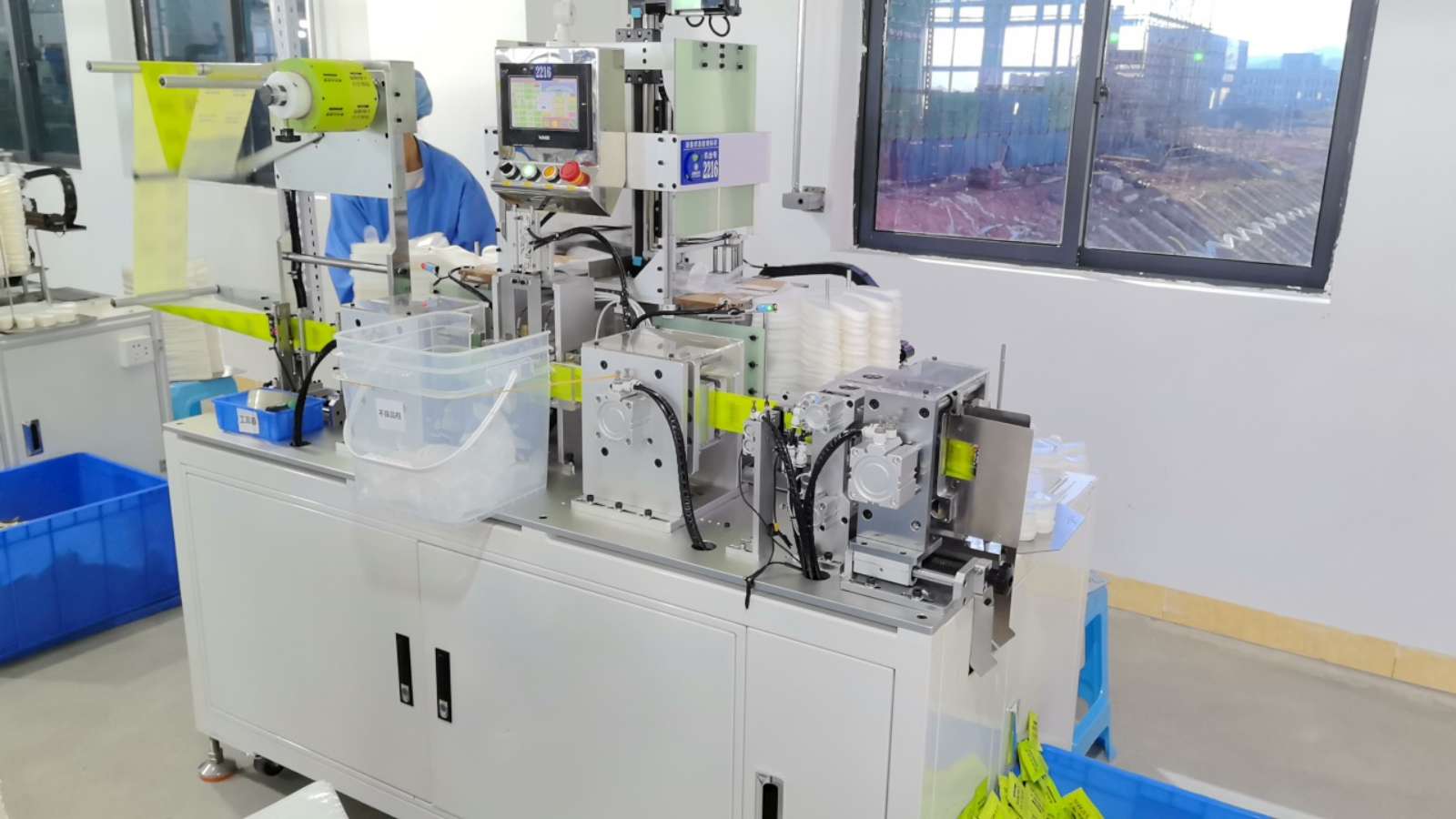
Navigating shipping routes, customs clearings at Durban, and standard testing compliance for Southern African markets.
Since Lesotho is landlocked, imports from overseas manufacturers typically arrive at the Port of Durban in South Africa. From Durban, containers are cleared and transported by rail or road freight across the border, passing through border posts like the Maseru Bridge or Maputsoe Bridge.
Procurement teams should ensure that all customs documentation details transit rules through South Africa under the SACU agreement. Working with experienced freight forwarders helps prevent clearance delays at the port of entry.
When purchasing gloves for medical use in Lesotho, it is important to verify that shipments comply with recognized regulatory standards. This is especially true for tenders issued by the Ministry of Health or local healthcare organizations:
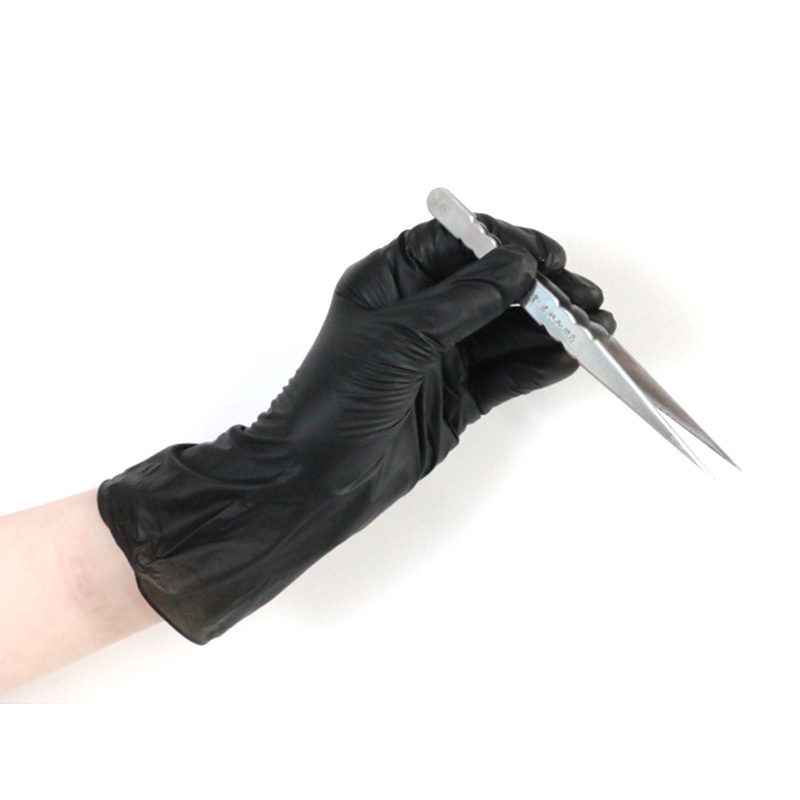
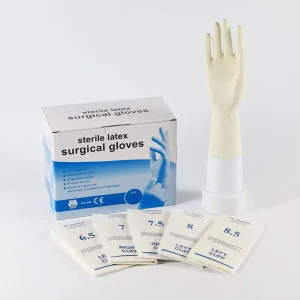
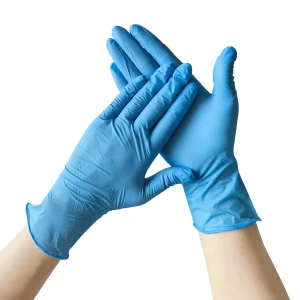
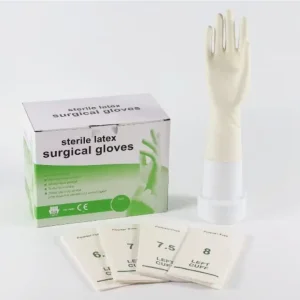
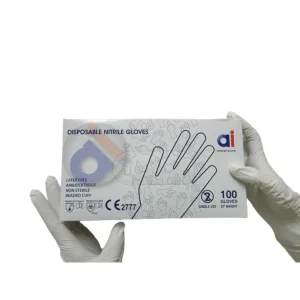
Explore our full range of medical-grade latex, nitrile, and vinyl gloves available for regional export to Lesotho.

Important considerations for bulk importing, quality assurance, and product selection.
Get in touch with our export sales team for bulk pricing, customized logistics assistance, and technical sample configurations tailored for Lesotho's health and industrial sectors.
Send Inquiry Now